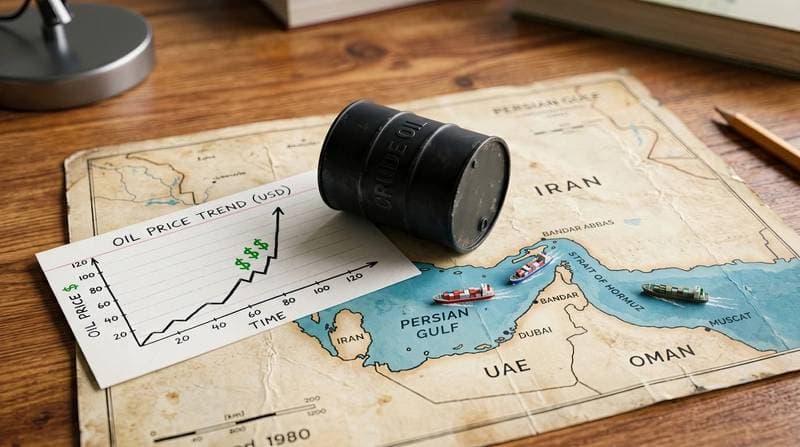
Middle Eastern oil and gas producers are actively pursuing the diversification of their export routes, moving away from a heavy dependence on the Strait of Hormuz. This strategic imperative has gained significant traction following a recent regional conflict, which highlighted the vulnerabilities of relying on a single chokepoint for vital energy shipments. The push for alternative pathways is driven by a need to enhance supply chain resilience and safeguard against future disruptions.
For freight forwarders and supply chain analysts, this development signals potential shifts in global energy trade flows. New infrastructure projects, such as pipelines or alternative port developments outside the Persian Gulf, could emerge. This might lead to changes in vessel deployment patterns, potentially impacting demand for specific vessel types and bunker fuel consumption in new regions. Forwarders should monitor these developments for opportunities in project cargo logistics and for potential adjustments in transit times and costs for energy-related shipments.
While the article does not specify immediate next steps, the ongoing focus on diversification suggests a long-term commitment from Gulf governments to invest in new infrastructure and logistics solutions. This could include expanding existing pipelines, developing new export terminals, or exploring multimodal transport options to bypass maritime chokepoints.