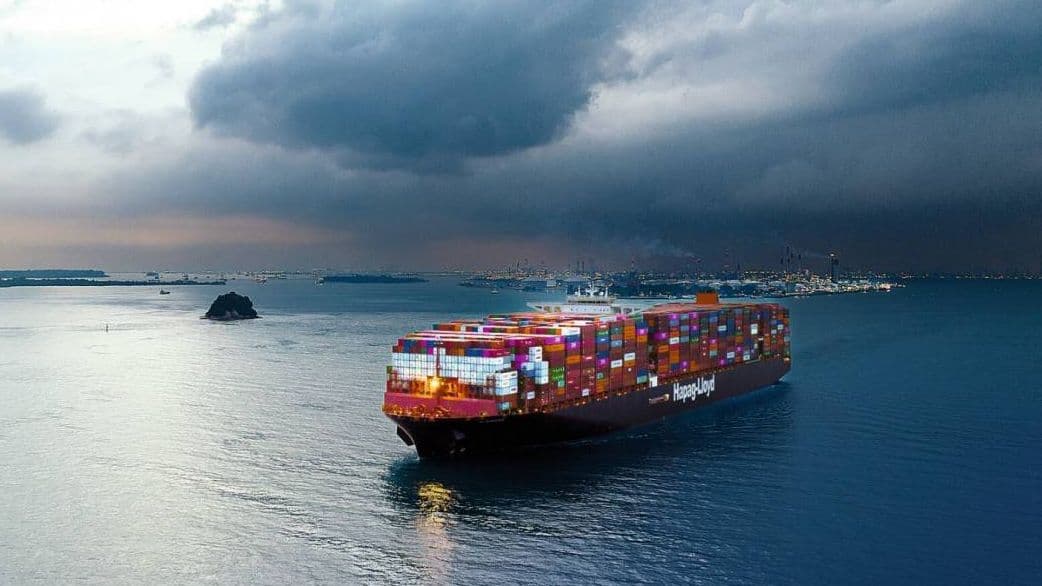
Hapag-Lloyd has entered into an official agreement with the Hamburg Port Authority (HPA) to implement shore power connections for its vessels calling at the Port of Hamburg. This commitment underscores the carrier's strategy to reduce emissions while ships are berthed. Currently, about 35% of Hapag-Lloyd's operational fleet is outfitted with the necessary technology to connect to shore power infrastructure.
This development is part of a broader industry trend towards decarbonization and compliance with stricter environmental regulations in port areas. Shore power, also known as cold ironing, allows vessels to switch off their auxiliary engines and plug into the port's electrical grid, thereby eliminating emissions from burning fuel during their stay.
For freight forwarders and shippers, this move by Hapag-Lloyd in Hamburg could contribute to a greener supply chain, potentially impacting environmental compliance reporting. While there is no direct rate impact mentioned, reduced bunker consumption during port calls could offer long-term operational efficiencies. It also signals a commitment to sustainability that may align with client expectations for eco-friendly logistics solutions. Forwarders should note that the availability and cost of shore power can vary by port and carrier, influencing vessel schedules and operational decisions.