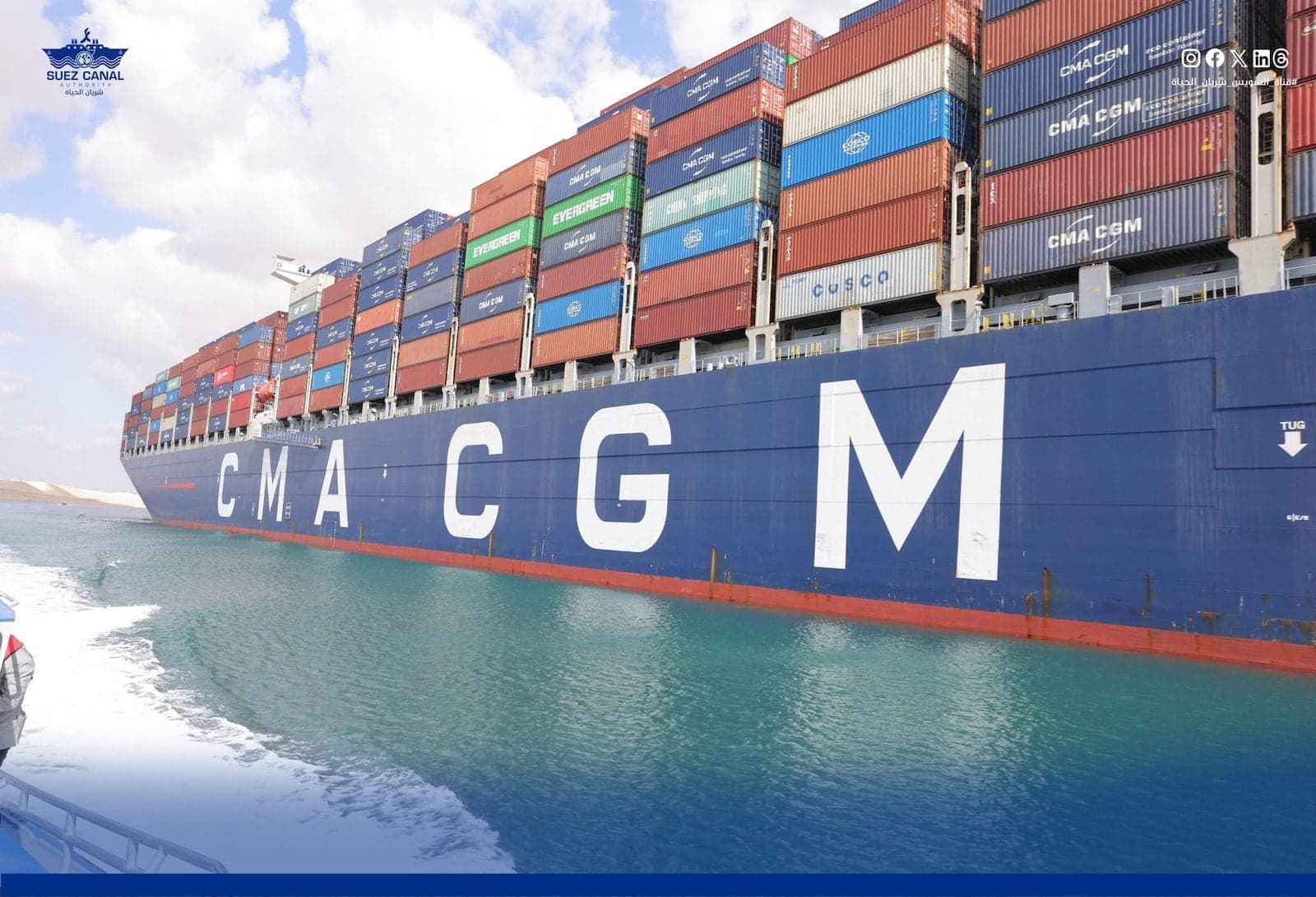
Brazil has introduced its first container ship operating on ethanol fuel, which began its journey from the Port of Santos. This event signifies a notable achievement for Brazil's biofuel industry and a key development in the global effort to decarbonize maritime transportation. The use of ethanol as a marine fuel provides a new pathway for reducing greenhouse gas emissions in the shipping sector.
For freight forwarders and operations managers, the emergence of ethanol as a viable marine fuel could influence future vessel deployments and routing decisions. As more carriers explore alternative fuels, this development might lead to new service offerings on specific trade lanes, potentially impacting transit times and freight rates depending on fuel availability and pricing. Shippers focused on sustainability goals may also find this an attractive option for their supply chains, driving demand for such services. The successful deployment of this vessel could encourage further investment in ethanol bunkering infrastructure and engine technology, expanding the range of green shipping solutions available.