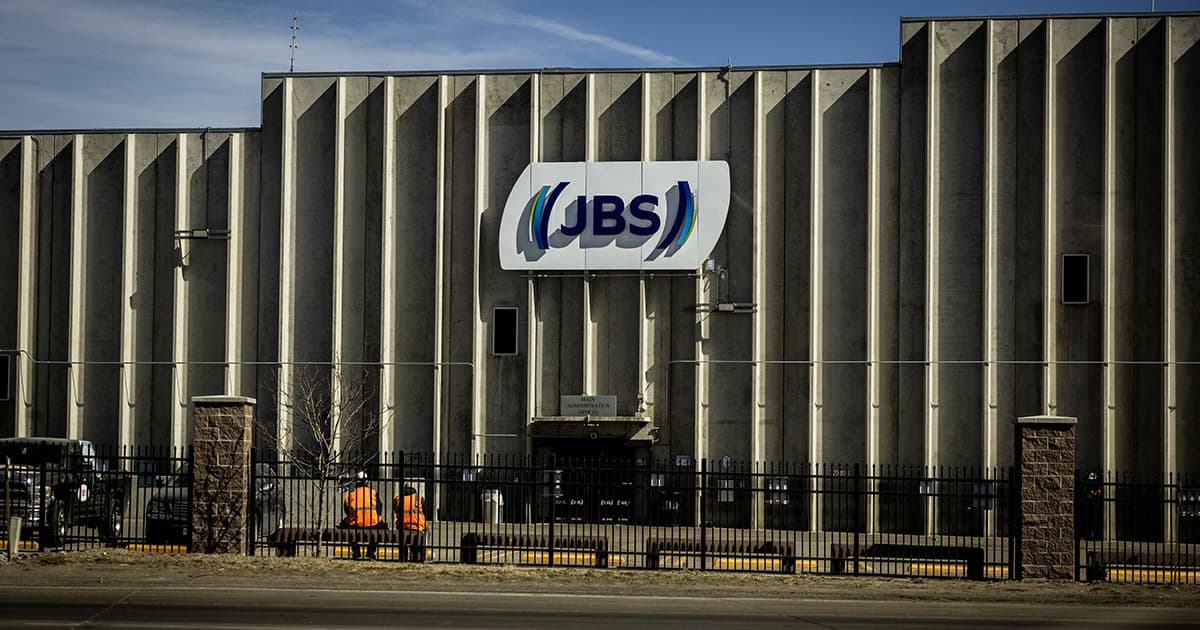
JBS, a major global food company, has announced a significant change to its environmental strategy by withdrawing its commitment to achieve net-zero emissions by 2040. A key part of this revision involves the removal of specific targets for Scope 3 emissions. These indirect emissions, which are generated throughout the company's value chain—including activities from suppliers, transportation, and product use—represent the largest portion of JBS's total carbon footprint.
This decision by JBS reflects a broader challenge faced by many large corporations in accurately measuring and reducing emissions that are not directly under their operational control. Scope 3 emissions are notoriously complex to track and influence, often requiring extensive collaboration with numerous external partners across the supply chain.
For freight forwarders and logistics providers, this move by JBS could have several implications. Companies involved in JBS's supply chain may experience a reduced immediate pressure to meet stringent Scope 3 reduction targets imposed by the shipper. However, it also highlights the ongoing complexity and varying commitment levels among shippers regarding supply chain decarbonization. Forwarders should continue to monitor client-specific sustainability requirements, as other shippers may maintain or increase their focus on Scope 3 reductions, necessitating robust emissions reporting and greener transport solutions. The broader trend towards supply chain sustainability is unlikely to diminish, even if individual company targets fluctuate.
The article does not specify any future plans or next steps from JBS regarding alternative emission reduction strategies or revised timelines.