126d ago·Hellenic Shipping News
Maritime Industry Navigates Fuel Uncertainty with Flexible Ship Designs
Maritime industry grapples with fuel uncertainty, leading to adoption of flexible ship designs for future adaptability
Articles tagged with the IMO Decarbonization topic across every transport mode.
Maritime industry grapples with fuel uncertainty, leading to adoption of flexible ship designs for future adaptability
Regulatory delays in future fuel decisions are prompting shipping fleets to prioritize AI-driven operational intelligence for competitive…
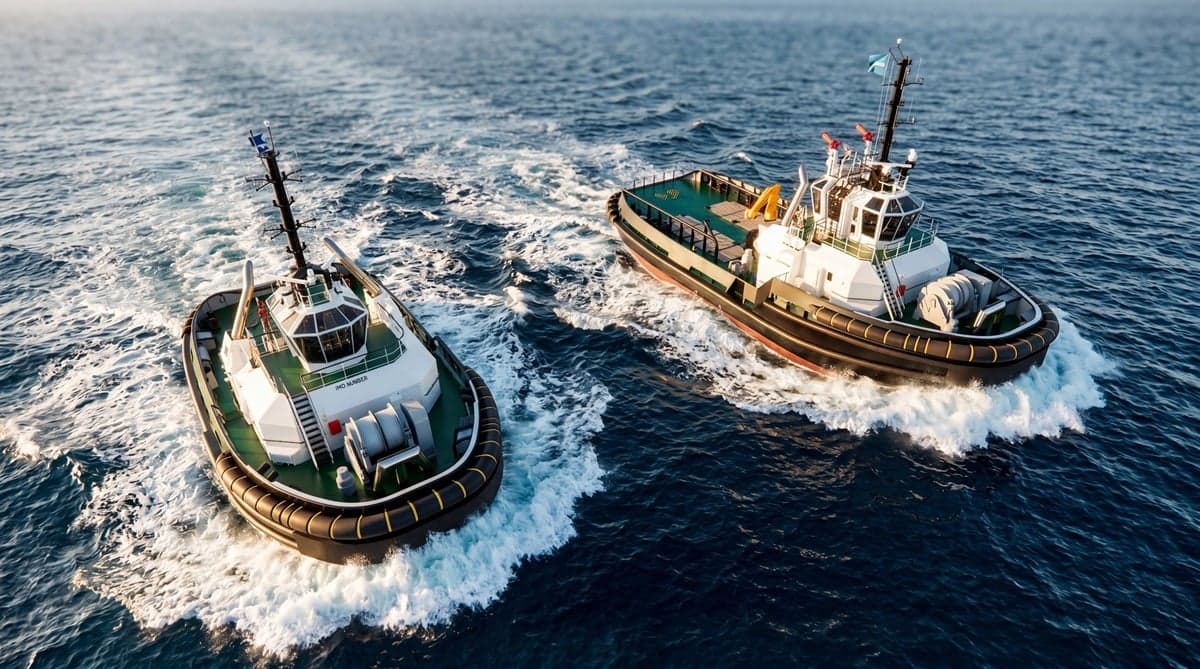
Damen's new tugboats feature fuel flexibility, enabling them to adapt to evolving environmental regulations and alternative fuels
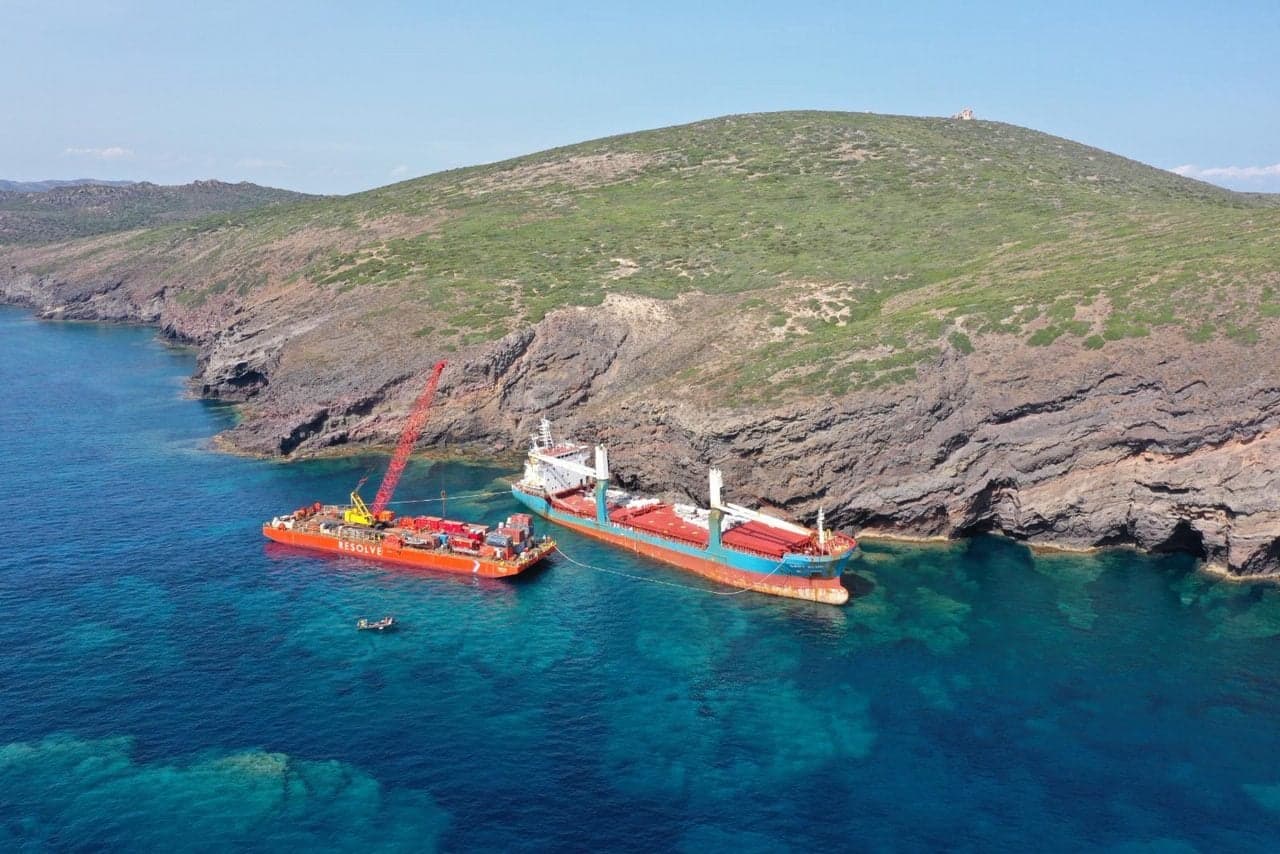
Resolve Marine has released its 2025 Sustainability Report, detailing advancements in environmental, social, and governance initiatives
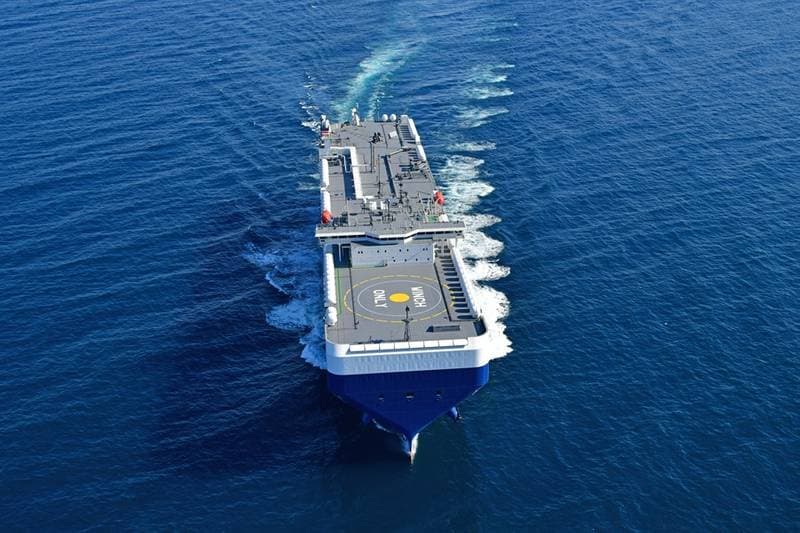
NYK launched a year-long trial of 100% biofuel on a car carrier to evaluate equipment effects and operational safety.
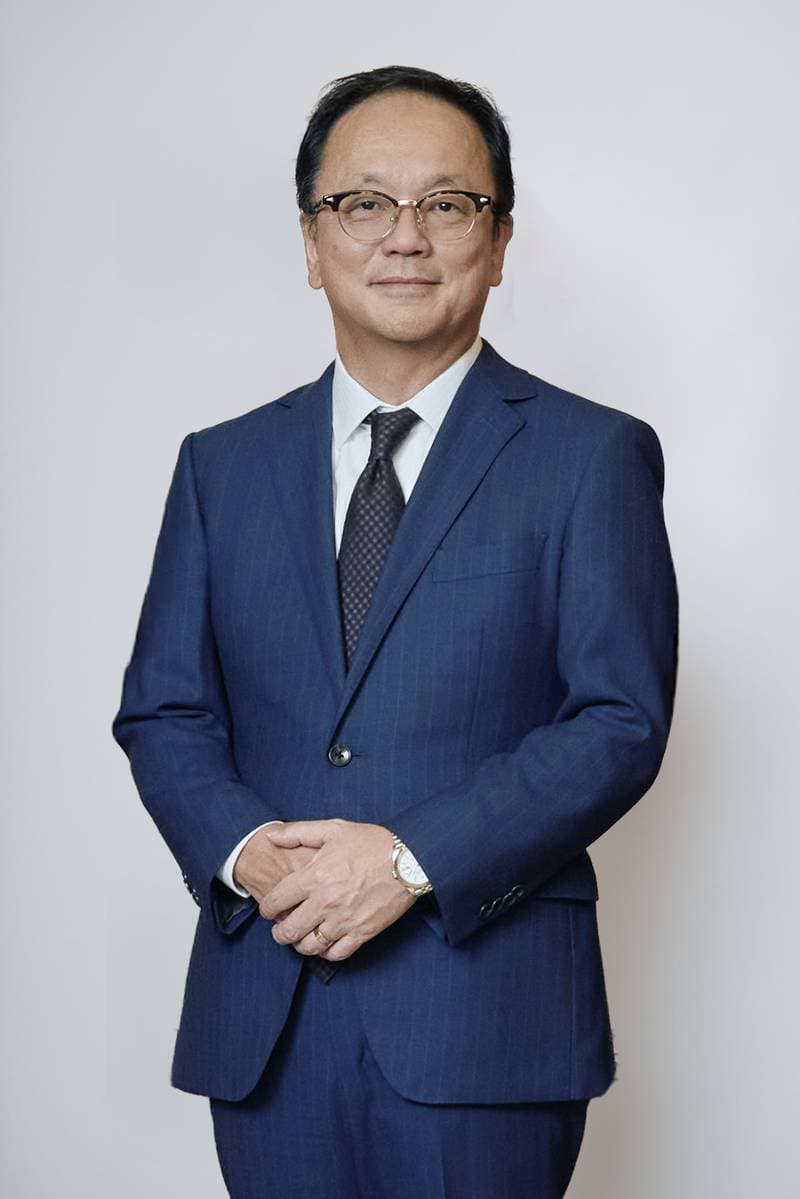
ClassNK's President and CEO, Hayato Suga, discussed the society's evolving role in maritime decarbonization and digitalization
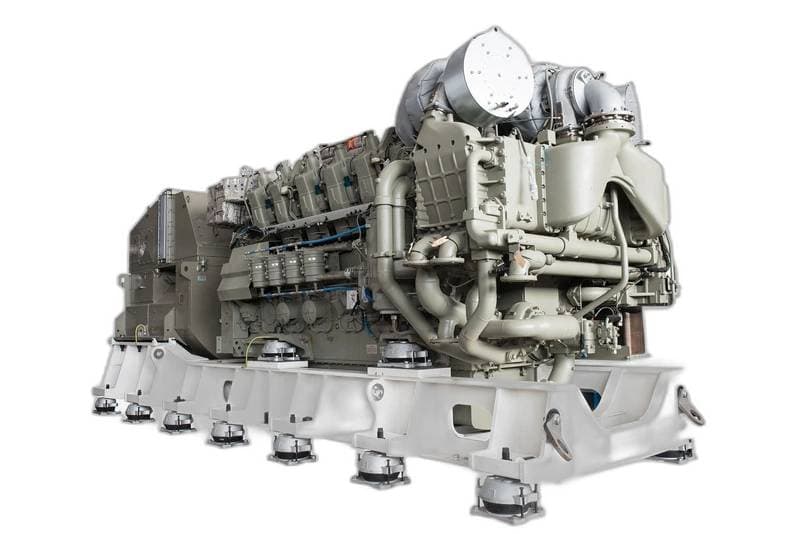
Equipment manufacturers are collaborating to advance digital machinery management for maritime operations, focusing on data integration.
A leading Greek shipowner has criticized the IMO's Net Zero framework and the taxation for unavailable green fuels.
Itochu's ZETA Bunkering secured approval for ammonia bunkering trials in Singapore, effective May 15
Echandia has launched a new LTO marine battery system, the Echandia Core, featuring 30% lower upfront costs
Lloyd's Register launched a Newbuild Advisory Service to help shipowners, yards, and investors manage risks and optimize performance.
New guidelines from MTF and BIMCO aim to improve safety for ships equipped with wind-assisted propulsion systems
New guidelines from MTF and BIMCO aim to bolster safety for vessels equipped with wind-assisted propulsion systems
European shipping companies will avoid dual carbon emission charges from EU and IMO regulations, a commissioner confirmed.
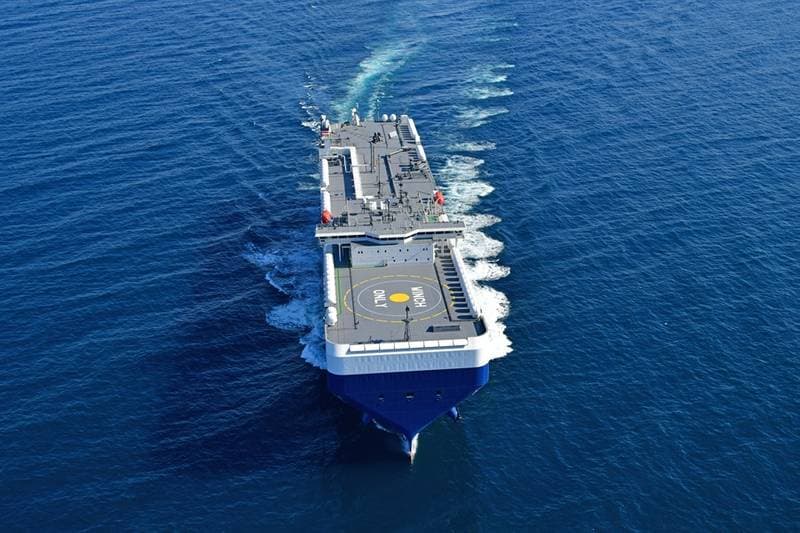
NYK has commenced a year-long trial continuously operating a car carrier on 100% biofuel derived from used cooking oil.
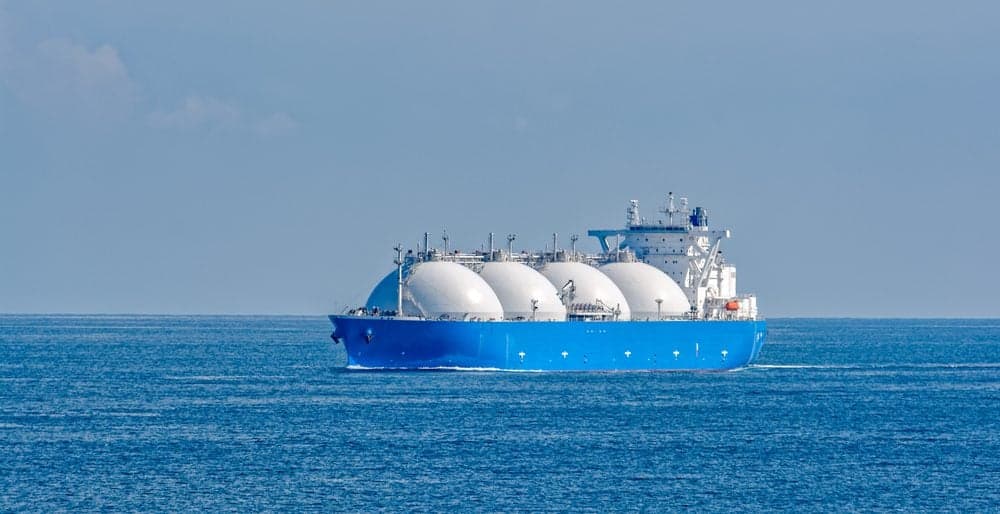
European emissions regulations are creating a divide in the LNG carrier fleet, impacting older vessels' economic viability.

New EU regulations for calculating greenhouse gas emissions in transport are now in effect, standardizing reporting across the bloc
INTERCARGO will participate in an IACS meeting in London to discuss potential changes to maritime rules, including Rec. 34
A new international treaty for hazardous and noxious substances (HNS) liability will commence in November 2027
Over 100 cargo ships globally are now equipped with wind propulsion systems, totaling more than five million DWT capacity
Posidonia 2026 in Athens will gather over 40,000 professionals to discuss maritime security, energy transition, and geopolitical risks.
Maersk's new methanol-capable vessel, Tema Maersk, signals a broader industry move towards multifuel shipping solutions.
Brazil, Norway, and the Netherlands are partnering to create the first green shipping corridor connecting Europe and South America
IMO supporters are backing the Net Zero Framework proposal, which includes global fuel standards and emissions pricing for shipping
The IMO's MEPC 84 meeting underscored persistent challenges in finalizing the Net Zero Framework for maritime shipping
Vessels in the Mediterranean Emission Control Area must now comply with MARPOL Annex VI sulphur requirements, impacting operations

Aderco's new 2055G+ program combines fuel treatment, emissions data, and carbon credits for maritime decarbonization.
New guidelines from the Maritime Technologies Forum aim to improve safety for ships using wind-assisted propulsion systems
The IMO's MEPC 84 session in London addressed new environmental regulations impacting the shipping industry, especially tankers
ClassNK has updated its guidelines for onboard CO2 capture and storage systems to support "OCCS-ready" vessel designs
Browse by mode or open the Intelligence Suite for cross-cutting briefs.