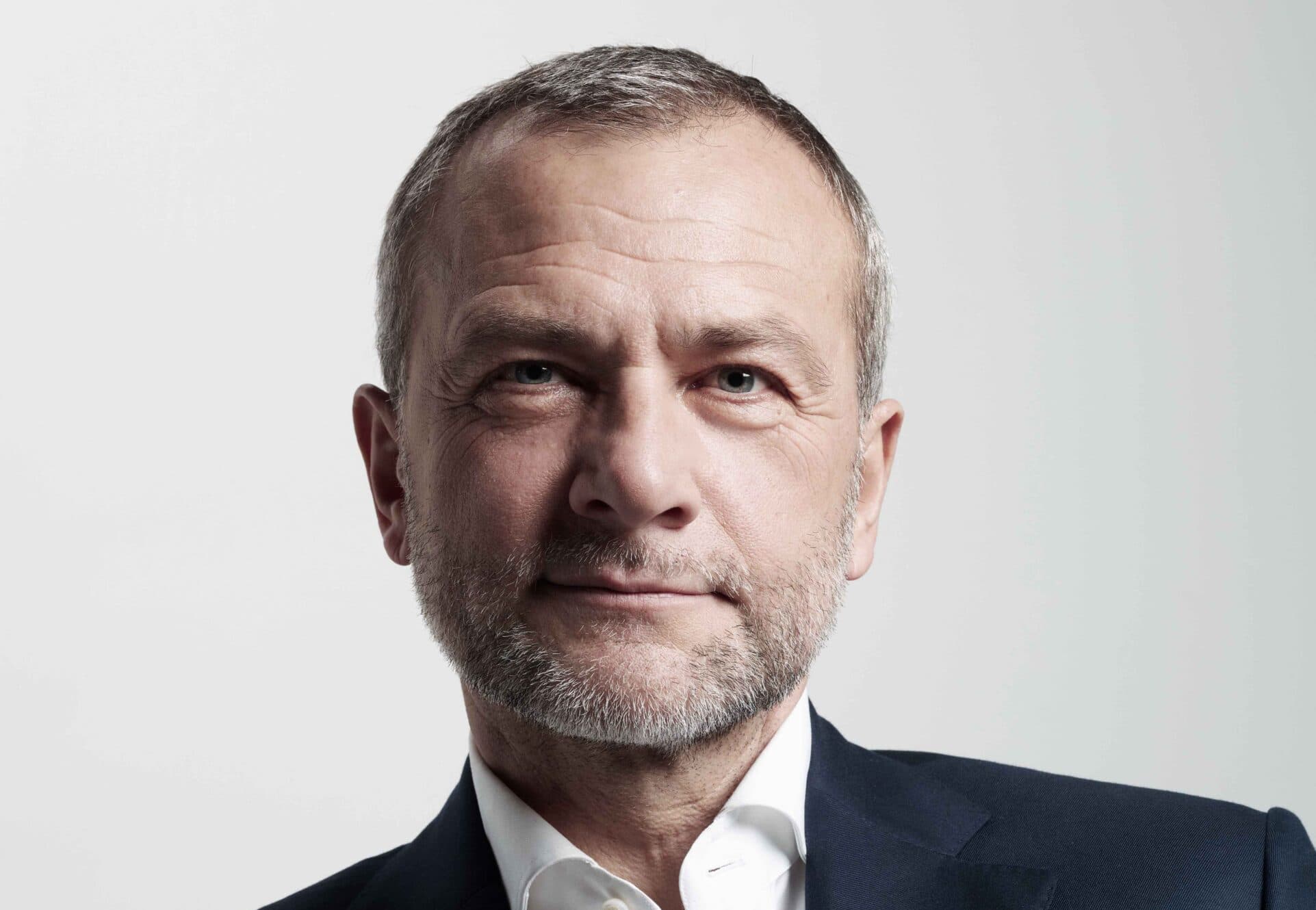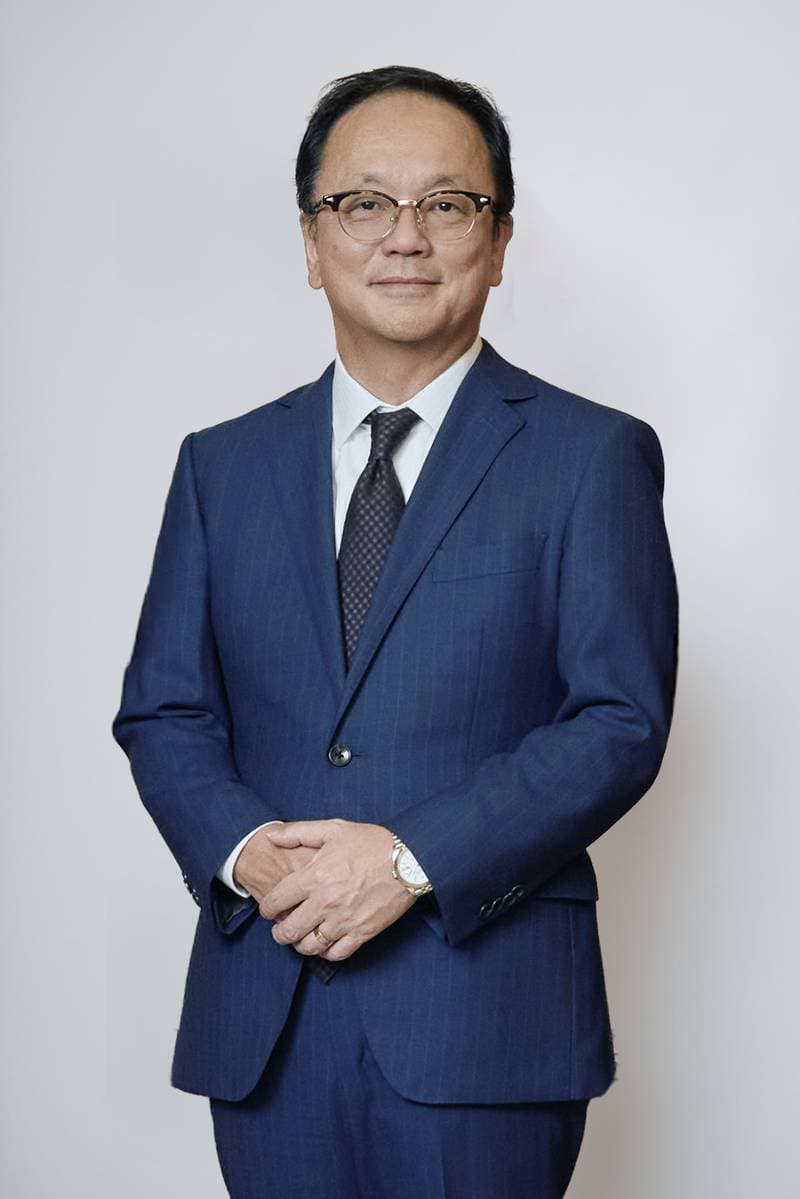
Hayato Suga, the President and CEO of ClassNK, a prominent classification society, recently articulated the organization's expanding responsibilities within the maritime sector. Traditionally, classification societies have served as technical arbiters, establishing rules and certifying vessels. However, Suga highlighted that their role has evolved to include acting as strategic advisors, guiding shipowners through critical decisions related to the industry's significant shifts towards decarbonization and digitalization.
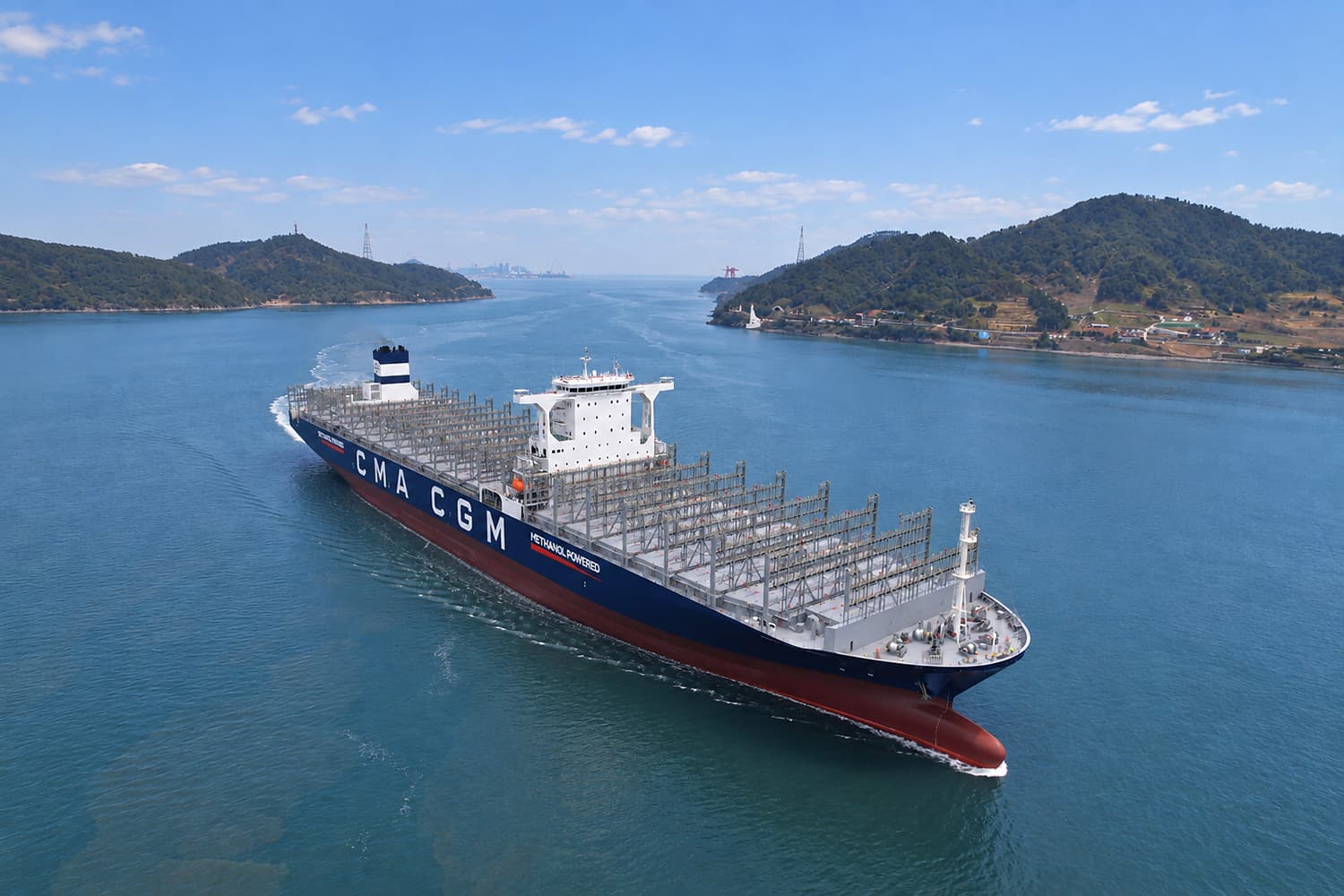
This expanded advisory capacity is crucial as the shipping industry faces unprecedented challenges and opportunities. The transition to alternative fuels, compliance with stricter environmental regulations, and the adoption of advanced digital technologies, including autonomous shipping, necessitate expert guidance. ClassNK aims to support its clients by providing technical expertise and strategic insights to navigate these complex transformations effectively.
For freight forwarders and operations managers, this development signifies a growing emphasis on technical compliance and strategic planning in vessel operations. As carriers invest in new, greener fleets and digital solutions, forwarders may see impacts on vessel specifications, operational efficiency, and potentially, new service offerings or routing options. Understanding the technical standards and regulatory frameworks supported by classification societies like ClassNK will become increasingly important for ensuring supply chain reliability and compliance. The push for decarbonization could lead to higher operational costs for carriers, which might translate into adjusted freight rates.
Looking ahead, ClassNK is committed to continuing its support for the maritime industry's journey towards a more sustainable and technologically advanced future, focusing on safety and environmental performance.