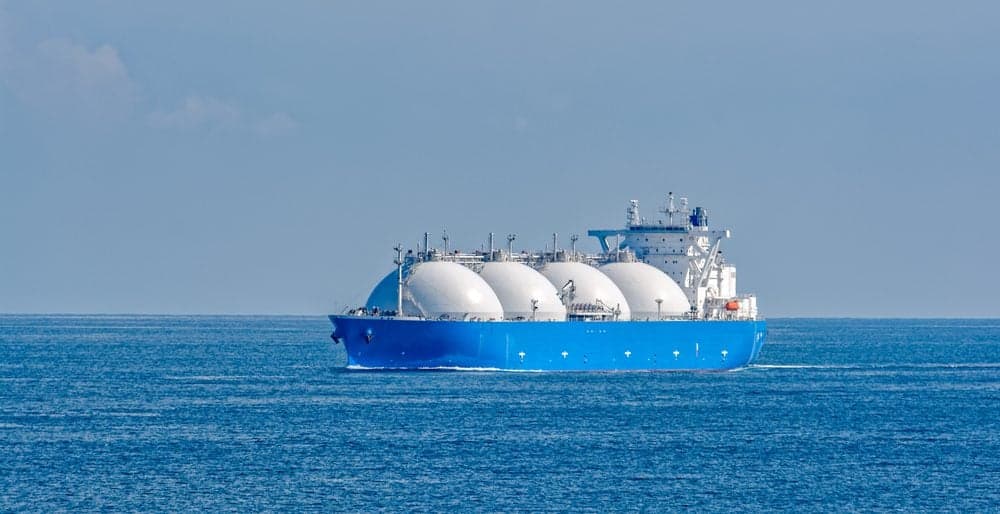
A recent analysis by Wood Mackenzie highlights an increasing division within the global fleet of Liquefied Natural Gas (LNG) carriers. This split is primarily driven by the implementation of more stringent European emissions regulations, which are significantly altering the economic landscape for vessel operations.
These new regulations impose additional carbon costs, particularly affecting older LNG carriers. The increased operational expenses could render these vessels less competitive or even economically unfeasible for routes involving European ports. This situation is expected to foster a two-tiered market, where newer, more fuel-efficient vessels are favored for EU trade, while older ships may be relegated to other regions or face early retirement.
For freight forwarders and operations managers, this development signals potential shifts in LNG shipping capacity and pricing. The availability of older, potentially cheaper, vessels for European routes may diminish, leading to a preference for newer, more compliant, but possibly more expensive, tonnage. This could influence charter rates and routing decisions for LNG shipments destined for or originating from Europe, requiring careful consideration of vessel age and compliance status to manage costs and ensure service continuity.