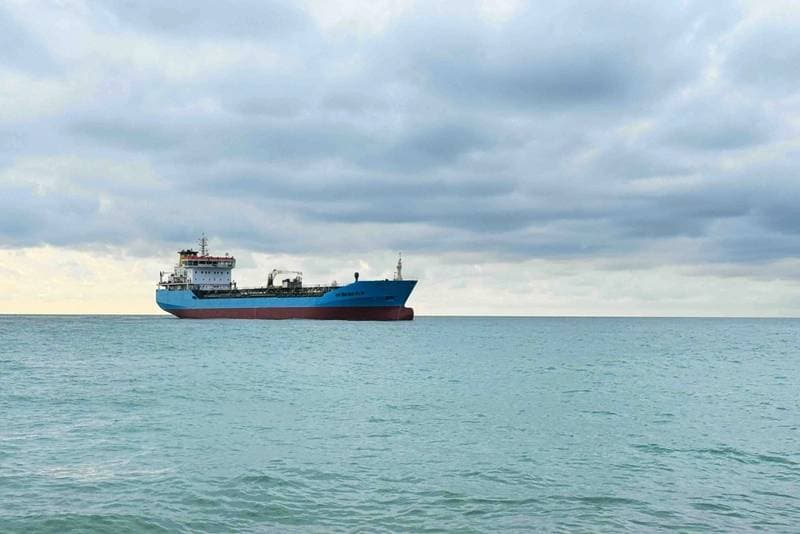
As of May 1, 2025, ships navigating the Mediterranean Emission Control Area (Med ECA) are mandated to adhere strictly to the sulphur limits outlined in MARPOL Annex VI. This regulatory change, introduced via IMO Resolution MEPC.361(79), significantly affects maritime operations in the region. The Med ECA's geographical boundaries are defined by specific coordinates rather than national borders.
For freight forwarders and operations managers, this means a critical need to ensure that all vessels used for Mediterranean routes are compliant. Non-compliance can lead to severe penalties, including fines and operational disruptions. Vessels can achieve compliance either by using very low sulphur fuel oil (VLSFO) or by installing exhaust gas cleaning systems (scrubbers). The decision between these two options will depend on factors such as vessel age, operational profile, and economic considerations. Forwarders should verify their carrier partners' compliance strategies to avoid unexpected costs or delays.
This regulation is part of a broader global effort to reduce maritime pollution and enhance environmental sustainability in shipping. It follows similar sulphur cap implementations in other ECAs worldwide, pushing the industry towards cleaner operational practices. The long-term implications include potential shifts in fuel procurement strategies and increased investment in green technologies.