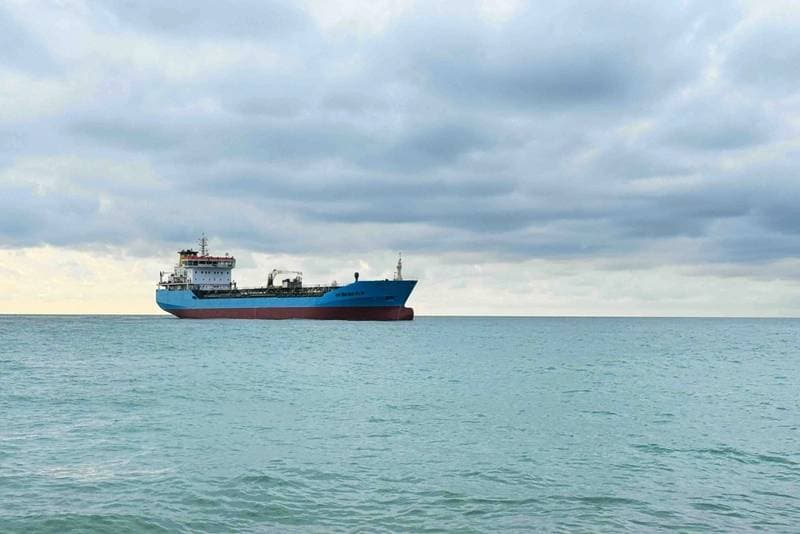
A new study indicates that European Union ports could utilize the safety and regulatory frameworks currently under development for ammonia and hydrogen bunker fuels as a foundation for future nuclear-powered shipping. This joint research was conducted by UK-based CORE POWER, the shipping giant A.P. Moller-Maersk, the Port of Rotterdam, and the classification society Lloyd's Register.
The report specifically investigated how existing port infrastructure and regulatory environments could accommodate nuclear propulsion, drawing parallels with the challenges and solutions being implemented for other alternative fuels. The findings suggest a potential pathway for the maritime industry to explore nuclear energy as a decarbonization option, leveraging established protocols for handling hazardous materials and complex bunkering operations.
For freight forwarders and operations managers, this development signals a long-term shift in maritime propulsion technology. While immediate impacts on rates or capacity are unlikely, it highlights the industry's commitment to exploring diverse decarbonization strategies. Understanding these evolving regulatory landscapes will be crucial for future vessel planning and compliance, particularly as alternative fuel options become more prevalent. It also suggests that ports investing in green fuel infrastructure today may inadvertently be laying groundwork for even more advanced propulsion systems.
The study's implications point towards a future where nuclear-powered vessels could potentially integrate into global shipping routes, provided the regulatory and safety concerns are adequately addressed by adapting current frameworks for alternative fuels.