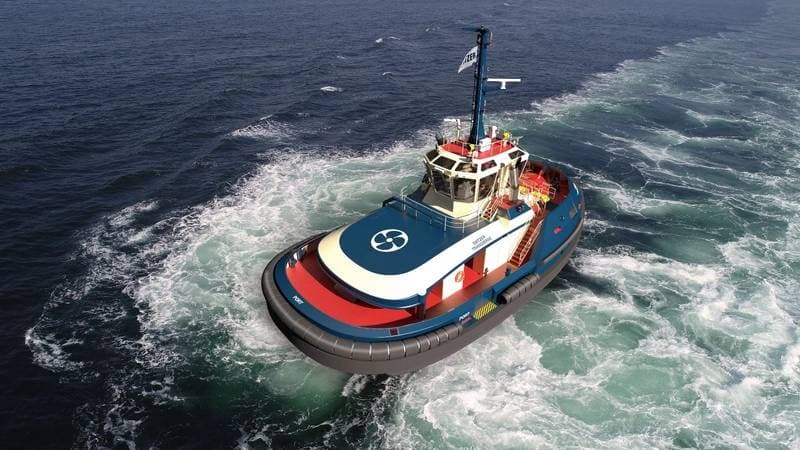
The maritime industry's conversation regarding ammonia as a bunker fuel is evolving. Initially, significant concerns centered on its toxicity, particularly regarding crew safety, emergency protocols, and accident management. These issues frequently overshadowed its potential benefits.
However, the focus has now largely shifted towards the practicalities of deploying ammonia at scale. The industry is increasingly looking at how quickly and efficiently this alternative fuel can be integrated into global shipping operations, reflecting a growing urgency to adopt decarbonization solutions.
For freight forwarders and operations managers, this development signals a potential future shift in vessel propulsion. While widespread adoption is still some time away, the accelerating focus on ammonia's scalability means that infrastructure for bunkering and handling could develop more rapidly. This could eventually influence vessel availability on certain trade lanes, potentially impacting transit times and operational costs as carriers invest in new ammonia-ready fleets. Forwarders should monitor these developments for long-term strategic planning regarding carrier selection and supply chain resilience.
Future developments will likely involve pilot projects, regulatory frameworks for safe handling, and the establishment of bunkering facilities in key ports to support the transition to ammonia-fueled vessels.