119d ago·Hellenic Shipping NewsHIGH
US Crude Exports Reach Record High in May Amid Hormuz Disruptions
US crude oil exports hit a record 5.6 million b/d in May as Strait of Hormuz disruptions shifted global demand.
Latest coverage tied to this risk region from our curated freight publishers, across the topics that define it.
US crude oil exports hit a record 5.6 million b/d in May as Strait of Hormuz disruptions shifted global demand.
Investment funds scaled back their net-long positions in Dutch TTF gas futures by 11% in May due to geopolitical uncertainty.
Iranian crude and condensate exports saw a sharp decline in May due to intensified enforcement actions against sanctioned vessels
Iraq and the UAE are fast-tracking oil pipeline expansions to decrease dependency on the Strait of Hormuz for crude exports.
Container freight rates are expected to continue rising through July due to peak season demand and geopolitical factors.
IMO Secretary-General raises concerns about vessels transiting the Strait of Hormuz without credible security guarantees.

Oil prices held steady as renewed U.S.-Iran hostilities created market uncertainty, with an expected U.S. stock draw offering support

Ocean freight rates are rising due to increased fuel costs, influenced by recent geopolitical tensions.
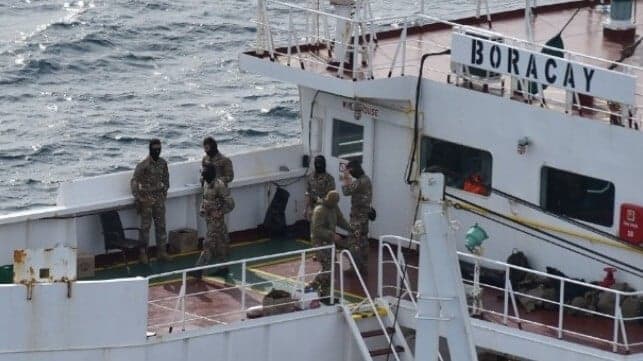
Undercover reporters have confirmed Russian paramilitary personnel on oil tankers, raising maritime security concerns.
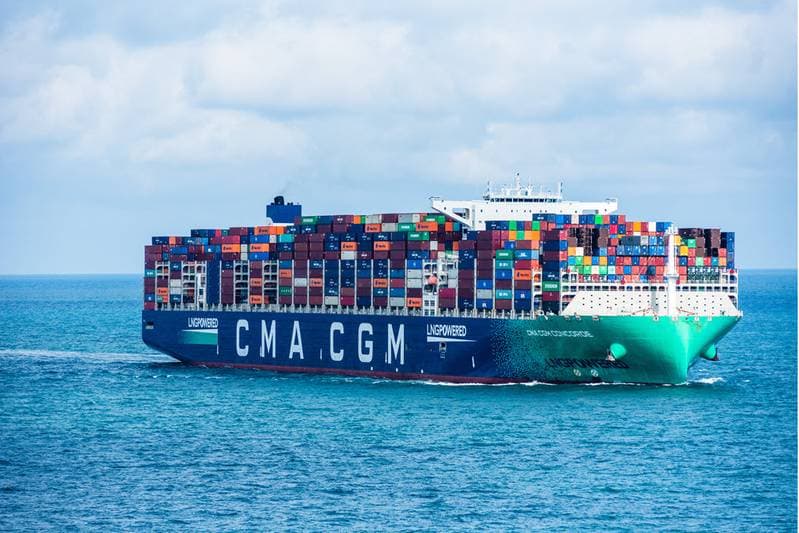
CMA CGM's chief executive cautioned against assuming a return to pre-war conditions in the Strait of Hormuz
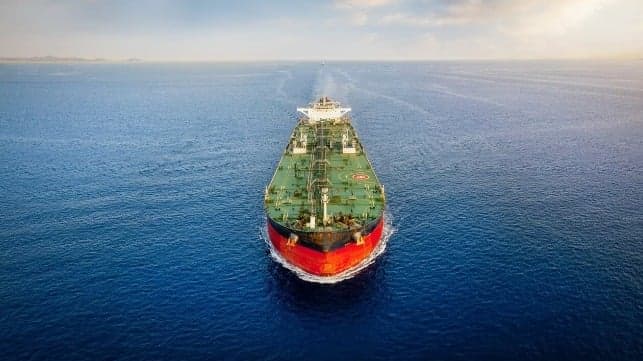
The oil market expects a supply shortage if the Strait of Hormuz closes, shifting to oversupply upon its reopening
South Korea is reviewing an LNG price cap to control electricity rate hikes, impacting KOGAS's financial stability.
European natural gas prices edged lower as a fragile ceasefire between Israel and Iran eased geopolitical tensions
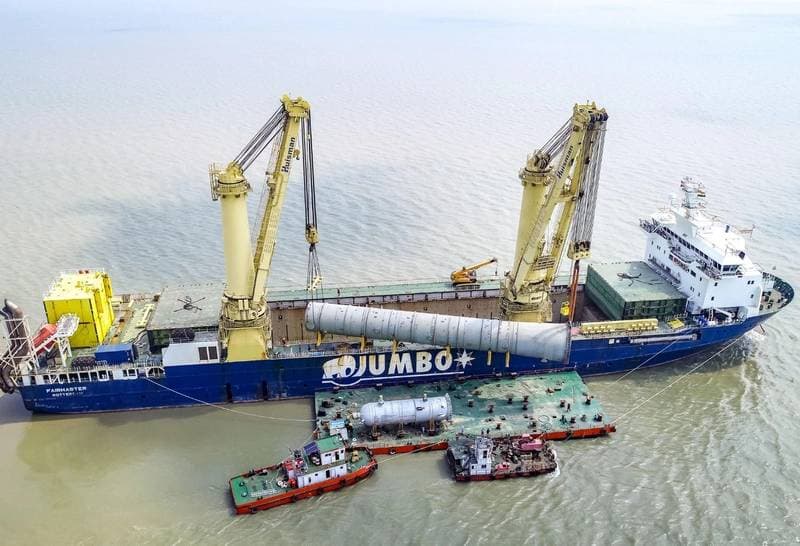
Global conflicts are significantly impacting project cargo and heavy-lift logistics, driving up risks and costs.
Kuwait is offering crude oil to Asian refiners for the first time since the Iran war began, indicating a resumption of oil flows.
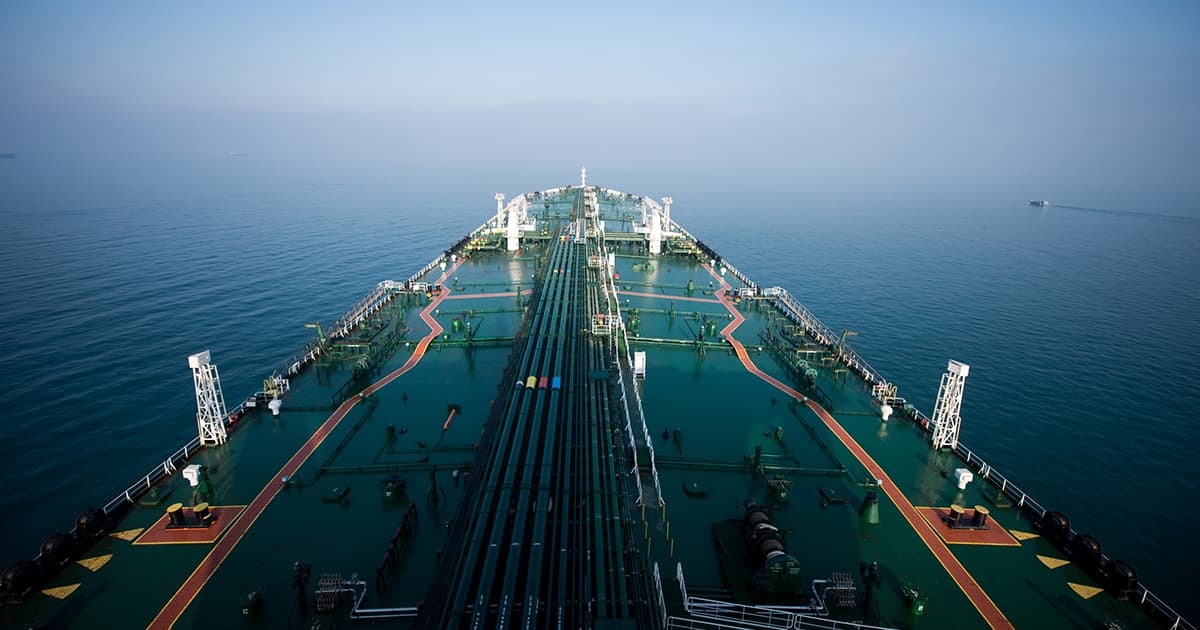
More vessels are transiting the Strait of Hormuz undetected by public tracking systems, indicating increased opaque maritime activity

The IMO chief warns that the Strait of Hormuz remains too dangerous for safe passage, despite claims of rising traffic
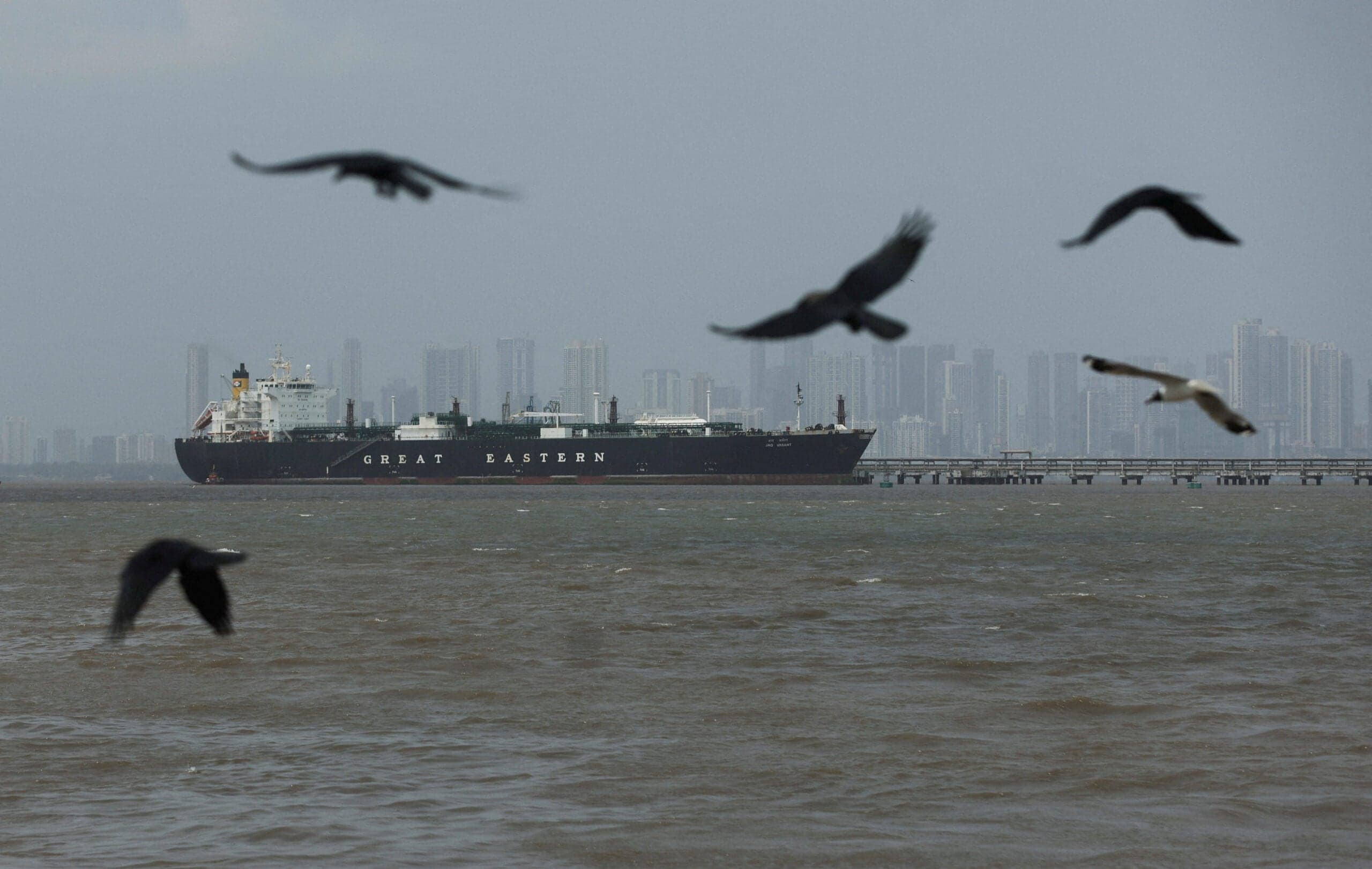
US Energy Secretary observed a meaningful rise in ship traffic and oil exports via the Strait of Hormuz despite US-Iran tensions
Global LNG markets experienced a significant price surge in March following the closure of the Strait of Hormuz and damage to Qatar's LNG…

Chinese government ships entered restricted waters off Taiwan, leading to a response from the Taiwanese coast guard.

A fifth Qatari LNG tanker has transited the Strait of Hormuz, bringing the total to nine loaded vessels since the conflict began
ADNOC is reportedly increasing oil exports despite concerns over a potential Iranian blockade in the Strait of Hormuz.
Disruptions in the Strait of Hormuz are reshaping global oil trade, threatening a decline in tanker demand.
Upcoming US inflation data is seen as critical for financial market direction, with potential impacts on freight demand

Autonomous systems are transforming mine countermeasure operations in vital shipping lanes, improving safety and trade flow
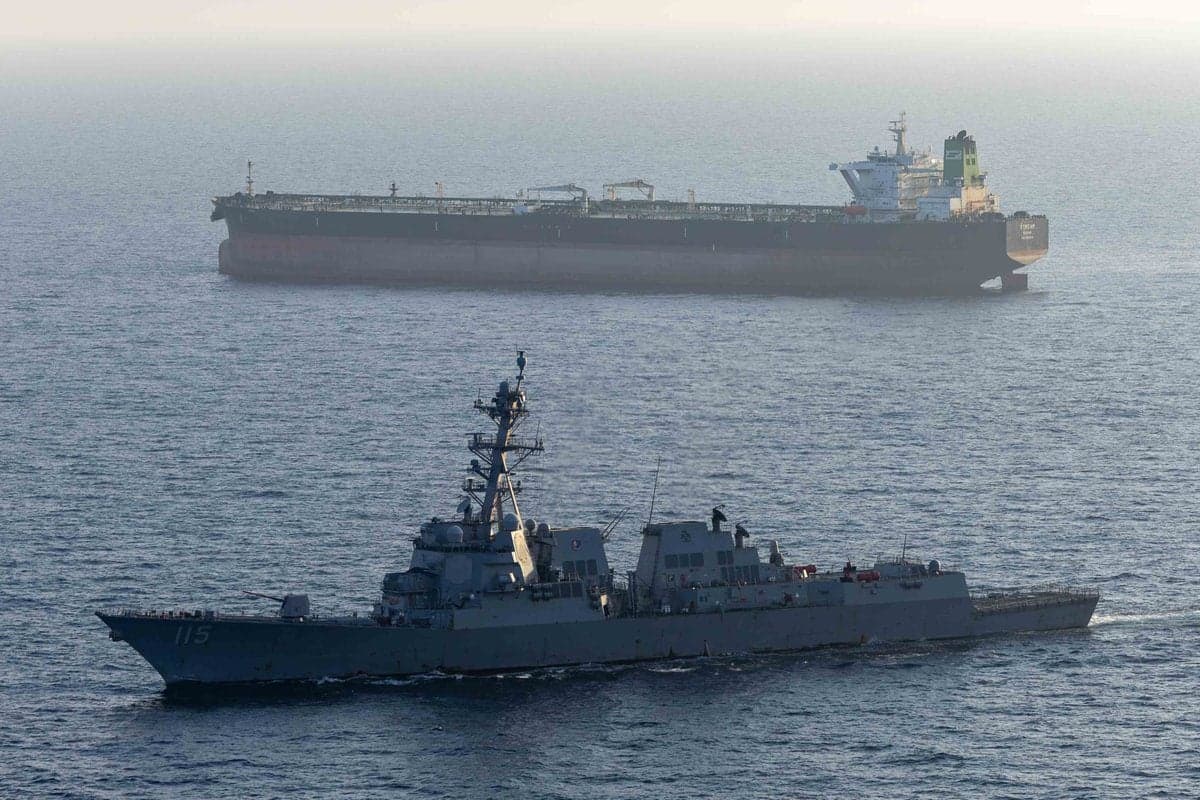
US forces disabled a tanker linked to Iran's shadow fleet in the Gulf of Oman, marking the seventh interdiction since a blockade began
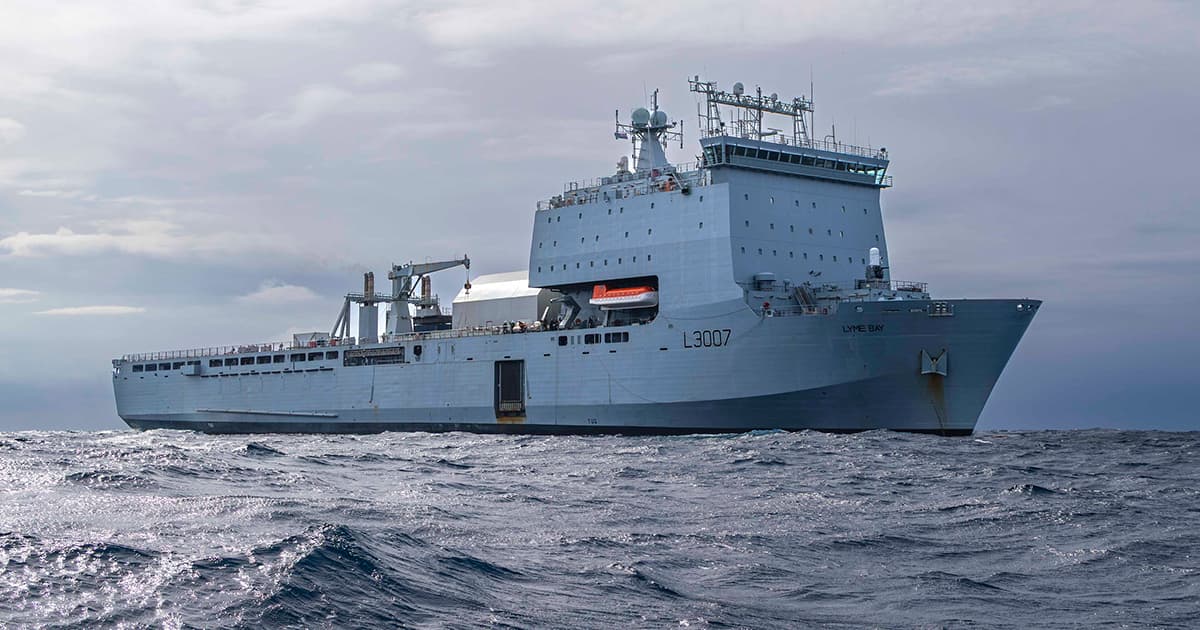
G7 nations plan to seek Trump's approval for a mine-clearing mission in the Strait of Hormuz following a US-Iran peace deal
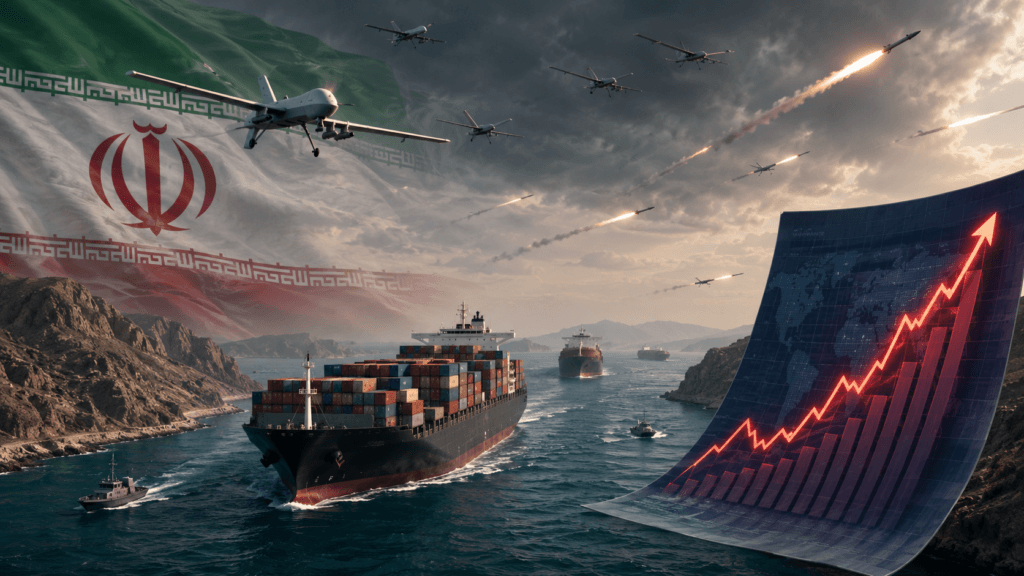
Global shipping faces a complex crisis from dark transits, secondary rate contagion, and renewed Houthi blockades.
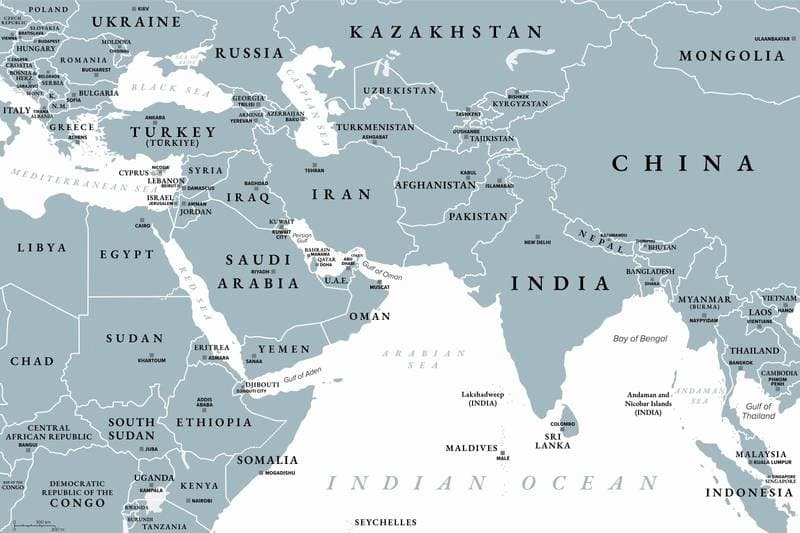
Yemen's Houthi group has declared a ban on Israeli maritime navigation in the Red Sea after a missile launch
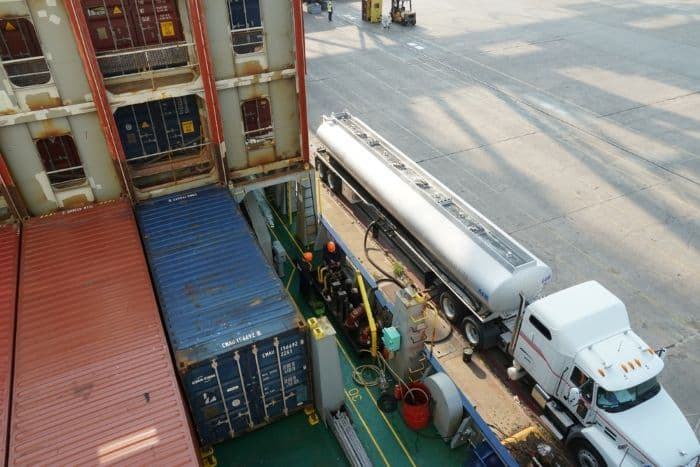
Geopolitical tensions near the Strait of Hormuz are causing a widening gap in bunker fuel availability across global markets
Browse by mode or open the Intelligence Suite for cross-cutting briefs.