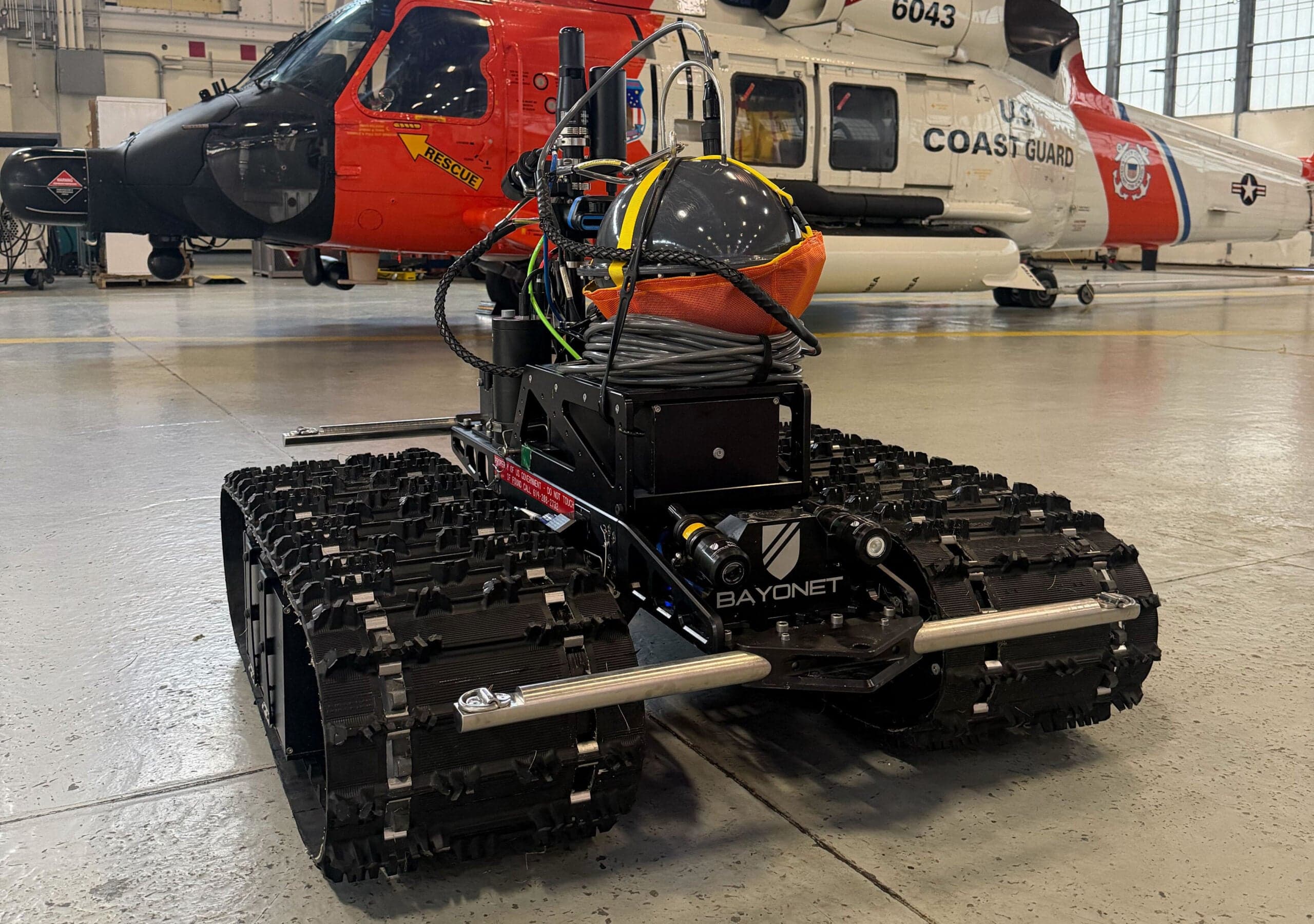
The maritime sector is experiencing a significant transformation in mine countermeasure (MCM) operations through the integration of autonomous systems. These advanced technologies are being deployed in strategic waterways, such as the Strait of Hormuz, where the mere threat of naval mines can create substantial uncertainty and disruption for global commerce. The adoption of unmanned surface vessels (USVs) and unmanned underwater vehicles (UUVs) allows for safer and more efficient detection and neutralization of mines, reducing the direct risk to human personnel.
Historically, MCM operations have been hazardous and time-consuming, relying on crewed vessels and divers. The presence of mines, or even the credible threat of them, can lead to rerouting, increased transit times, higher insurance premiums, and overall supply chain instability. The Strait of Hormuz, a vital chokepoint for oil and gas shipments, is particularly sensitive to such threats, given its geopolitical importance.
For freight forwarders and operations managers, the enhanced capability to clear mines swiftly and safely translates into greater predictability and reduced risk in critical shipping lanes. This can help stabilize freight rates and insurance costs, which often surge in areas perceived as high-risk. Improved MCM operations mean fewer diversions, more reliable transit schedules, and a lower likelihood of cargo delays or damage due to naval incidents. This technological advancement contributes to maintaining the fluidity of global trade, particularly for energy and raw material shipments.
Looking ahead, the continued development and deployment of these autonomous MCM systems are expected to further enhance maritime security. This will likely lead to more resilient supply chains and potentially lower operational costs for carriers and shippers navigating historically volatile regions.