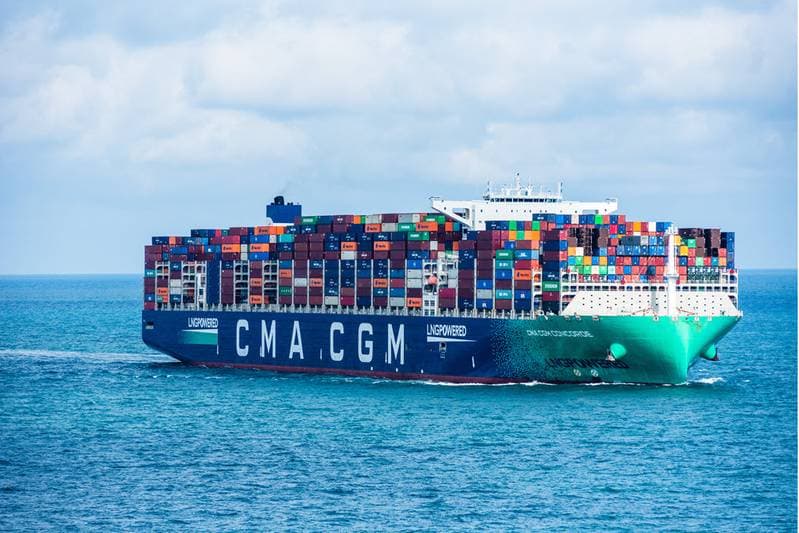
The CEO of French shipping giant CMA CGM, Rodolphe Saadé, has advised against the assumption that the operational environment in the Strait of Hormuz will return to its state before the recent conflict involving Iran. This statement highlights a persistent concern regarding maritime security in one of the world's most vital oil transit chokepoints.
This perspective from a major container line underscores the ongoing geopolitical instability affecting global shipping. The Strait of Hormuz, connecting the Persian Gulf with the open ocean, is crucial for energy shipments and broader trade flows. Continued tensions or the perception of elevated risk in this area can lead to operational adjustments and increased costs for carriers.
For freight forwarders and shippers, this implies a need to factor in sustained geopolitical risk when planning routes through the Middle East. Potential impacts include higher war risk insurance premiums, longer transit times if alternative routes are considered, and possible disruptions to vessel schedules. Forwarders should maintain close communication with their carriers regarding any changes in routing or surcharges related to security in the region.
The article does not specify any immediate next steps or policy changes, but the sentiment suggests a long-term view of altered security dynamics in the region.