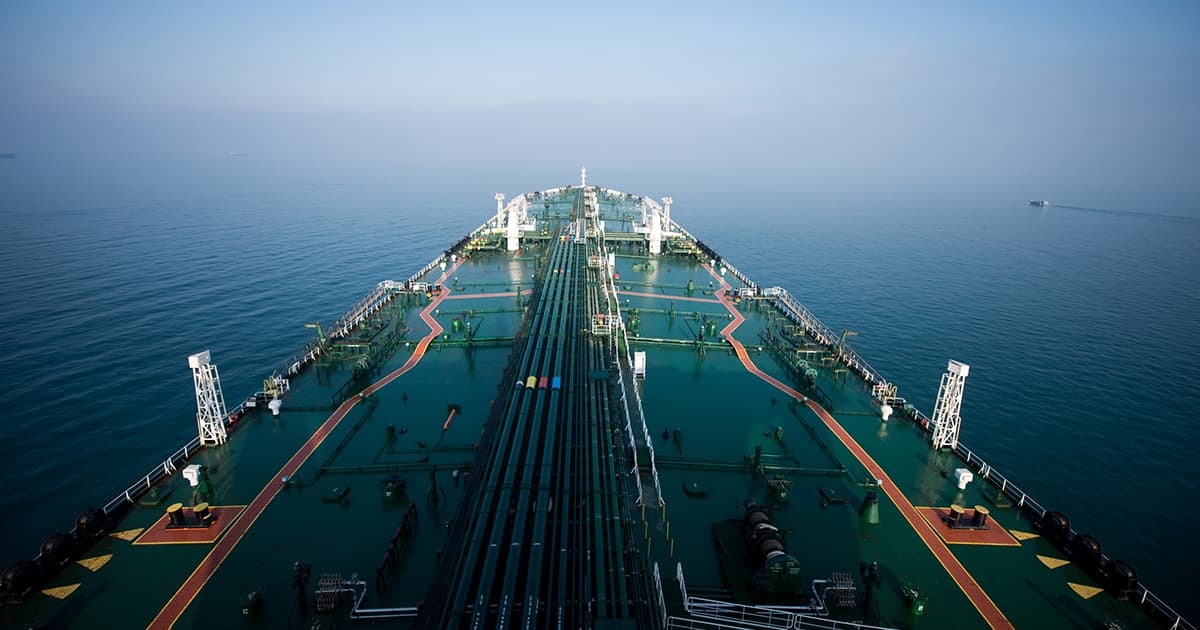
Reports indicate a growing number of "dark transits" through the Strait of Hormuz, meaning vessels are passing through this vital waterway without broadcasting their Automatic Identification System (AIS) signals. This practice results in more maritime traffic than what is visible through standard tracking data.
This development raises concerns for freight forwarders and supply chain stakeholders regarding maritime security and transparency in a region prone to geopolitical tensions. Increased undetected movements could complicate risk assessments, particularly for cargo insurance and route planning, and potentially impact vessel scheduling if security measures are heightened. It also makes it harder to monitor compliance with sanctions or other regulations.
For forwarders, this trend implies a heightened need for robust risk management and due diligence when routing shipments through the Strait of Hormuz. It may also lead to increased war risk premiums or more stringent vetting processes by carriers and insurers.