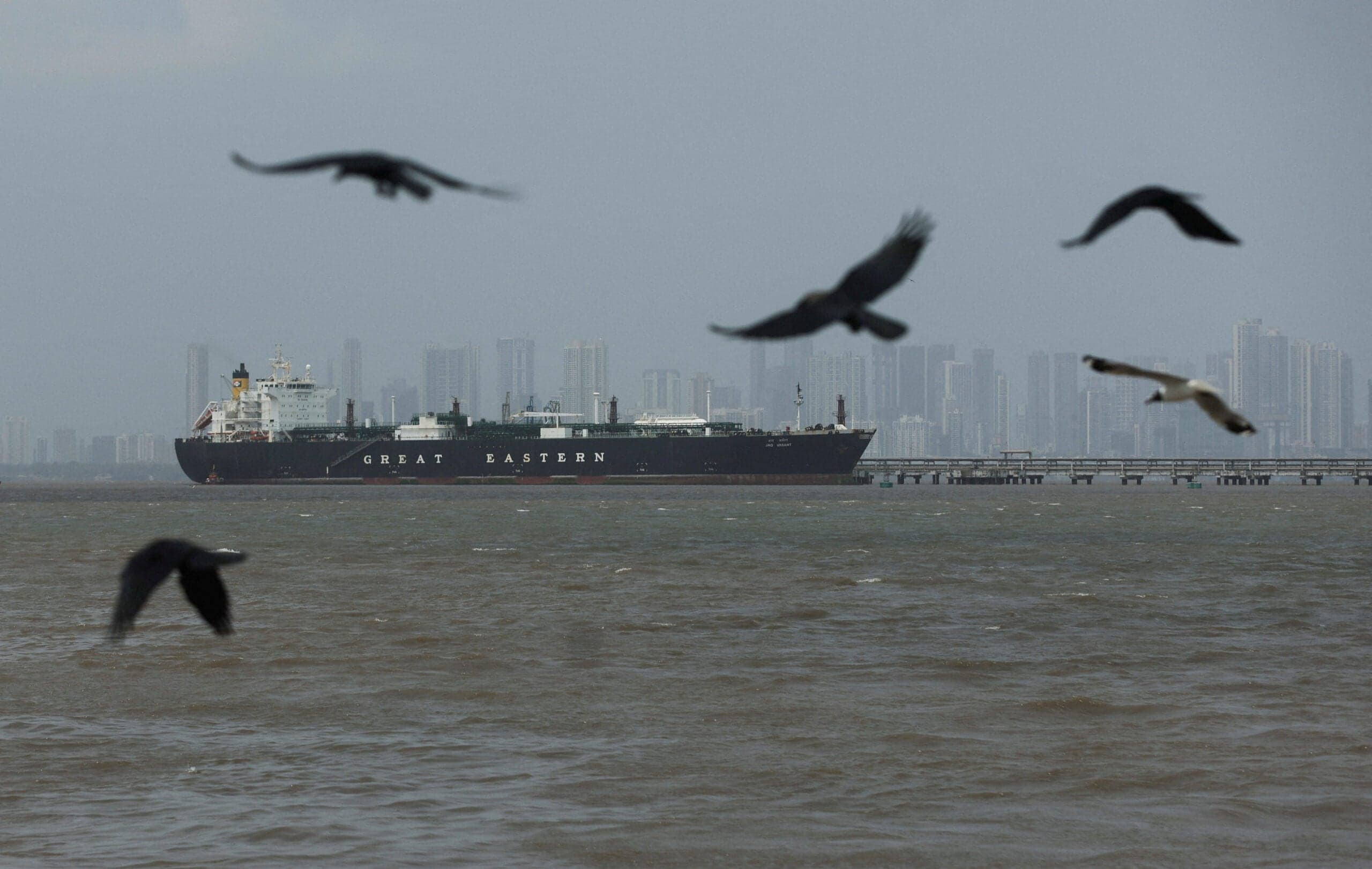
U.S. Energy Secretary Chris Wright recently stated that maritime traffic, particularly oil exports, through the Strait of Hormuz has seen a significant increase. This rise in activity occurs even as the United States and Iran continue to face challenges in resolving their prolonged conflict, which has lasted over three months.
For freight forwarders and operations managers, this indicates that despite geopolitical friction, the critical energy trade route through the Strait of Hormuz remains active and is experiencing higher volumes. This sustained activity could imply stable, or potentially increased, demand for tanker capacity in the region, which might influence freight rates and vessel availability for oil and gas shipments. Forwarders should monitor the political climate for any sudden shifts that could impact transit through this vital chokepoint, as disruptions could lead to significant delays and rate volatility.