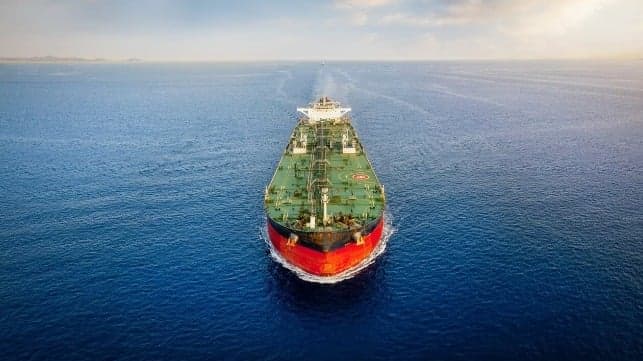
The global oil market is currently anticipating a dual scenario regarding the Strait of Hormuz. Analysts predict a significant oil shortage if the strait, a crucial chokepoint for crude oil transit, becomes inaccessible. Conversely, an oversupply is expected to follow once the waterway reopens and normal traffic resumes.
This situation highlights the extreme sensitivity of global energy markets to geopolitical events affecting key maritime trade routes. The Strait of Hormuz is vital for the transport of a substantial portion of the world's oil, making any disruption a major concern for international trade and energy security.
For freight forwarders and supply chain professionals, such market volatility translates into considerable operational challenges. A closure would lead to immediate and drastic increases in bunker prices, re-routing complexities, and potential delays for all vessels, not just tankers. Capacity for alternative routes would be strained, and war risk premiums for insurance would likely surge. Conversely, an oversupply could lead to storage issues and downward pressure on freight rates for oil tankers, although the initial disruption would be the primary concern.
While the article does not specify what might cause a closure or when it might occur, the market's forward-looking assessment underscores the need for contingency planning for all stakeholders in the oil and gas logistics sector.