55d ago·Hellenic Shipping NewsHIGH
Oil Prices Rise as Strait of Hormuz Remains Closed Amid Houthi Attacks
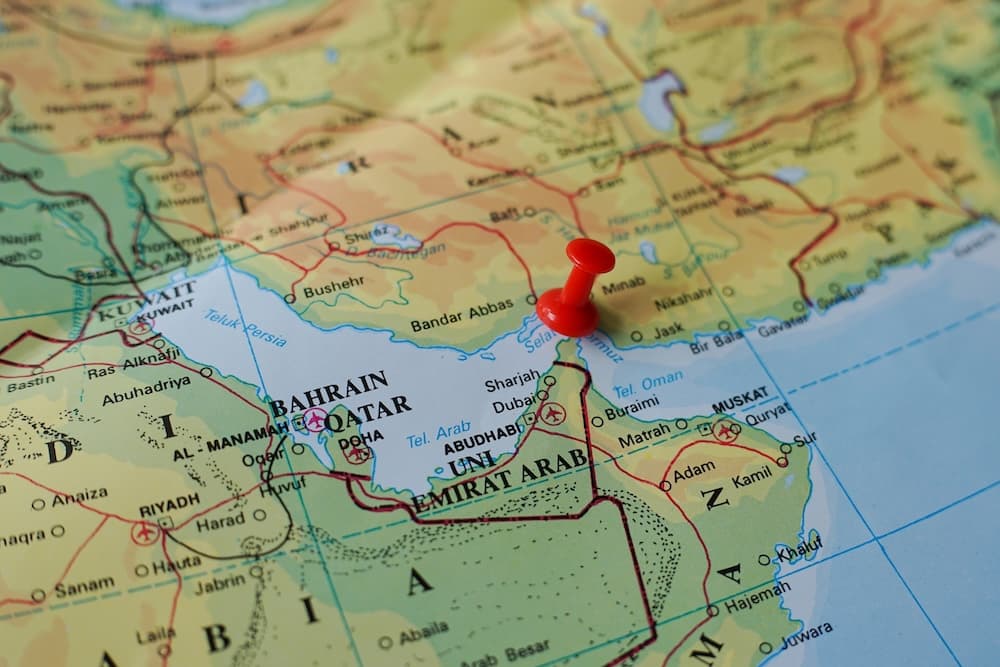
Oil prices rose, nearing a two-week high, due to Strait of Hormuz closure and continued Houthi attacks in the Red Sea.
Latest coverage tied to this risk region from our curated freight publishers, across the topics that define it.
Oil prices rose, nearing a two-week high, due to Strait of Hormuz closure and continued Houthi attacks in the Red Sea.
European natural gas prices climbed, driven by low storage levels and Persian Gulf shipping disruptions, raising winter supply concerns
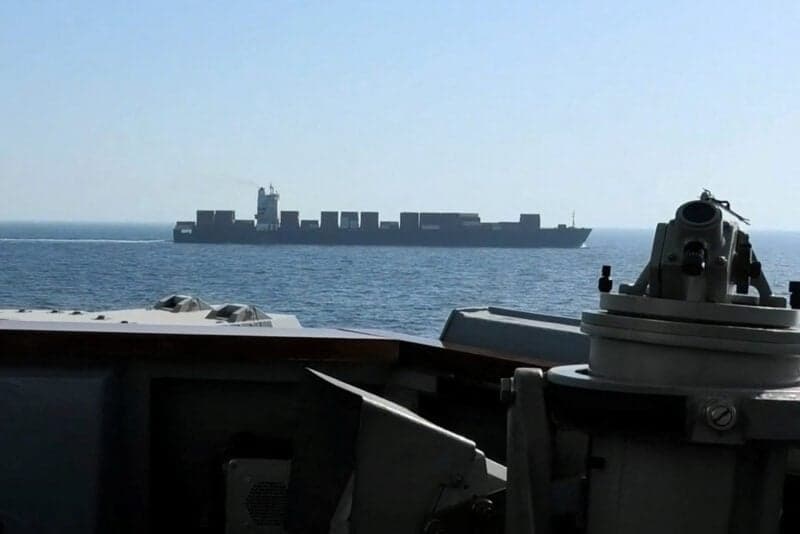
A US Navy helicopter disabled the Panama-flagged containership Vela Nova in the Gulf of Oman using two Hellfire missiles.
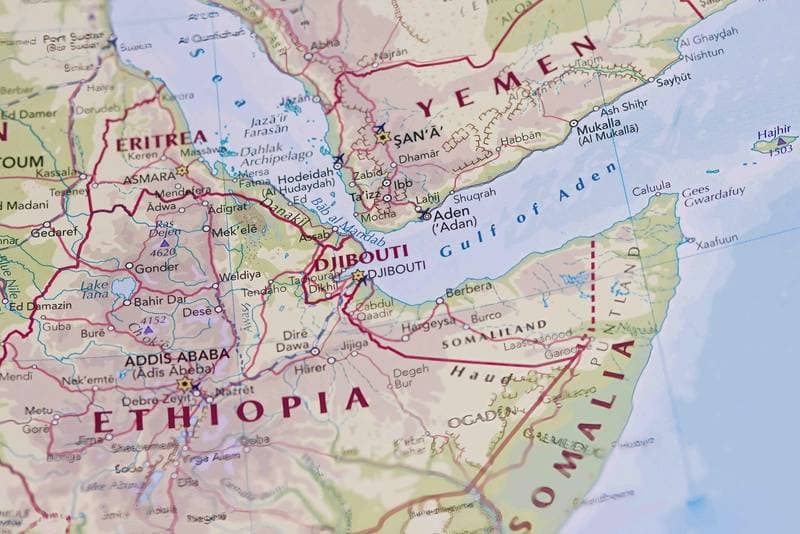
A Houthi-backed attack in the Bab el-Mandeb Strait resulted in four crew fatalities on a cargo ship
A fatal Red Sea attack could reverse the trend of carriers resuming Suez Canal transits via the Bab el-Mandeb Strait
Geopolitical risks continue to influence tanker freight rates for routes east of the Suez Canal, maintaining a risk premium
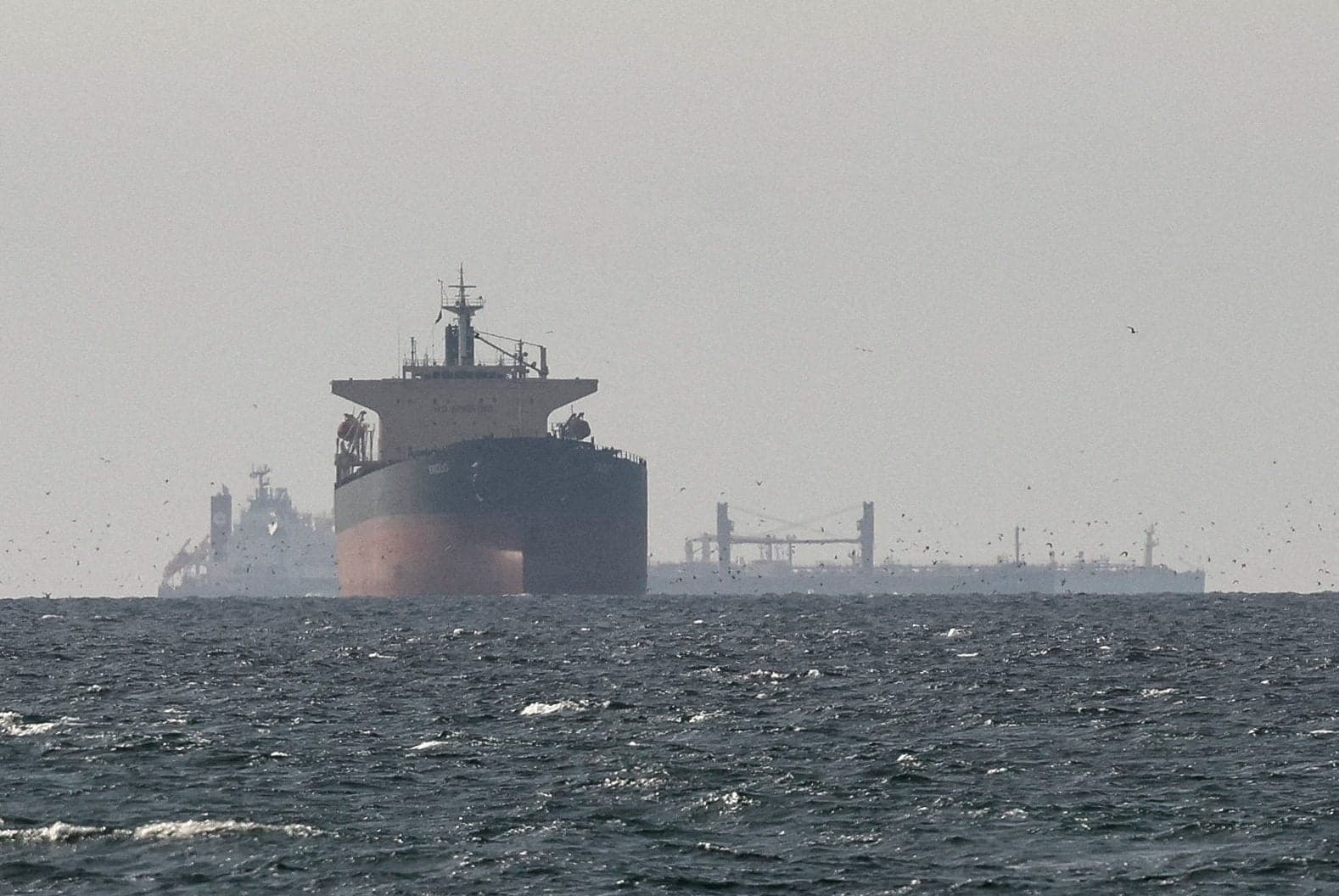
Pakistan suggests the US and Iran are nearing a deal, with Qatar reporting advanced talks on Strait of Hormuz management
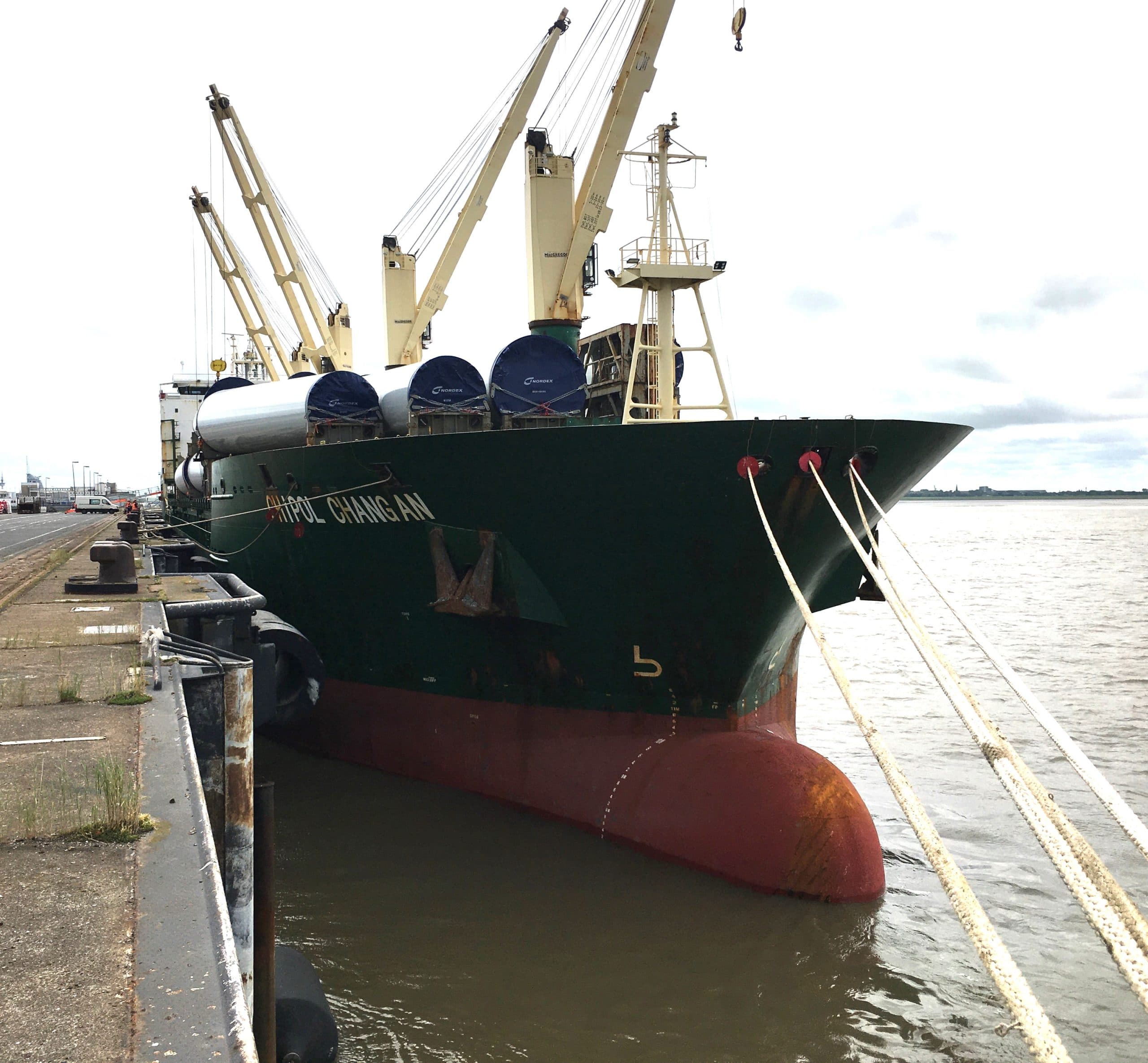
A blockade of the Strait of Hormuz is causing a backlog of project cargo for Saudi Arabia, impacting Chipolbrok's fleet.
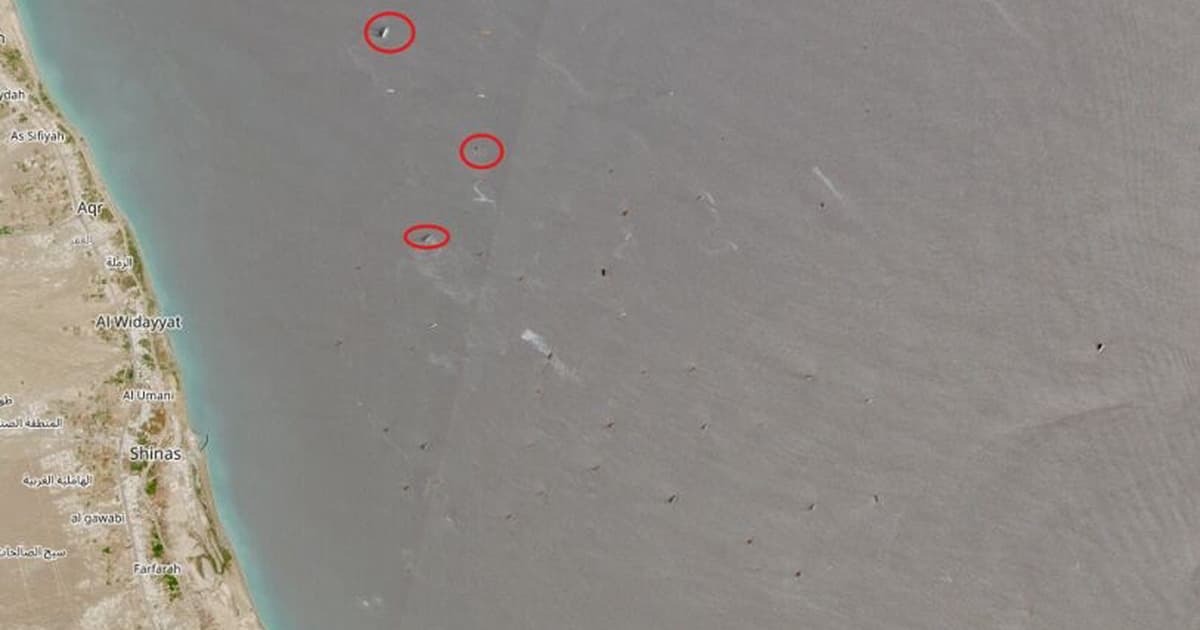
Oil cargo transfers outside the Strait of Hormuz point to covert shipping practices supporting global energy markets
Ocean freight rates on Asia-Europe routes are declining from their July peak, contrasting with rising Transpacific rates.
Typhoons have caused significant delays at Chinese terminals, leading to capacity shortages on Asia-Europe trade lanes.
A vessel was reportedly struck by a missile from a helicopter in the Gulf of Oman, prompting the crew to abandon ship.
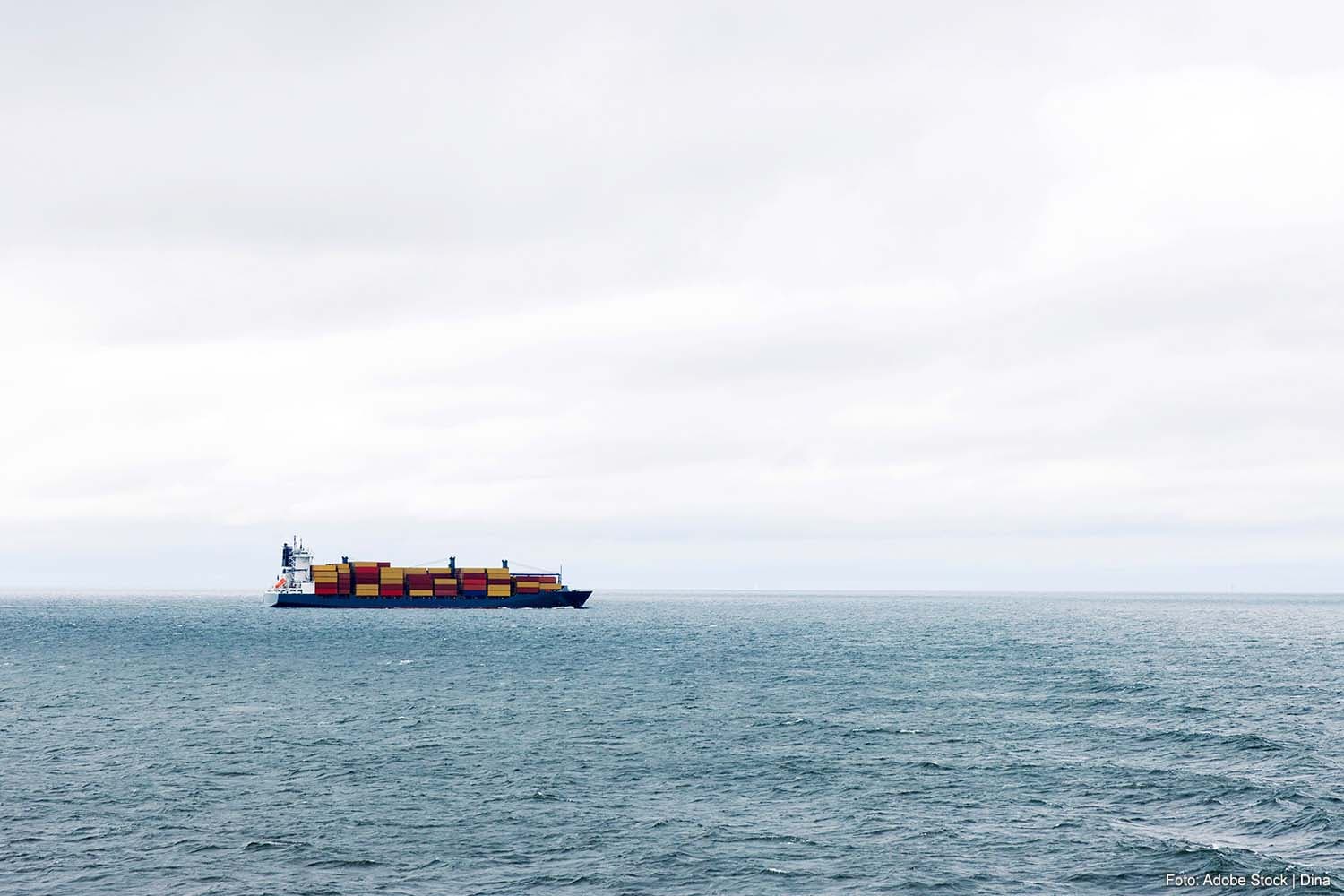
An incident involving a containership and military units has been reported by UKMTO in the Gulf of Oman.

Diesel and gasoline pump prices in the Netherlands are rising again as crude oil nears $85 per barrel.
Geopolitical instability, including the Middle East conflict, significantly influenced shipping industry earnings in the first half.
Ukraine has reportedly agreed to avoid targeting specific non-Russian oil tankers and Black Sea export infrastructure for Kazakh crude
A deal to reopen the Strait of Hormuz is reportedly close, with key factors for global shipping to monitor.
Oil prices rose 3% following Iran's demand for US sanctions relief and reparations to reopen the Strait of Hormuz
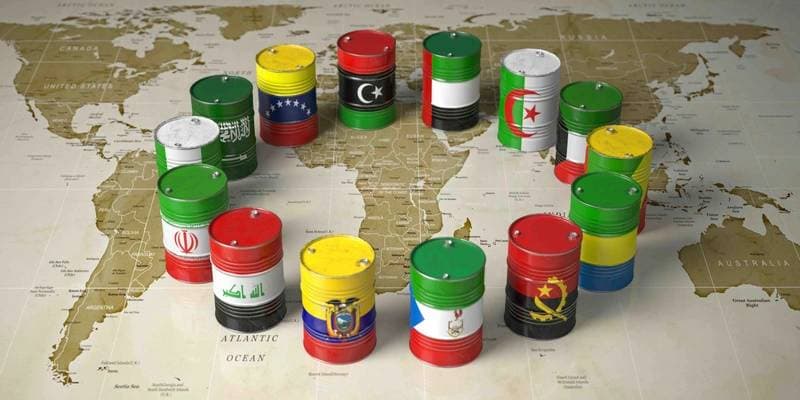
OPEC's oil output increased in July as Gulf states resumed supplies after the Iran war and Strait of Hormuz closure.
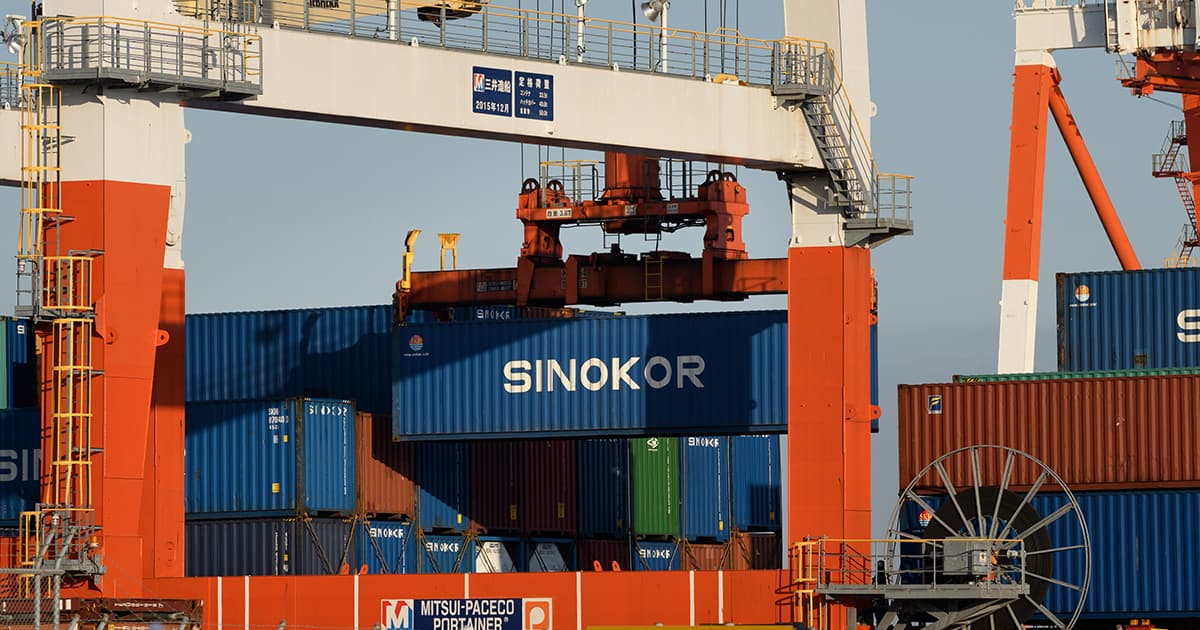
Supertanker earnings on a critical Middle East route have surged to nearly $500,000 daily due to Persian Gulf tensions
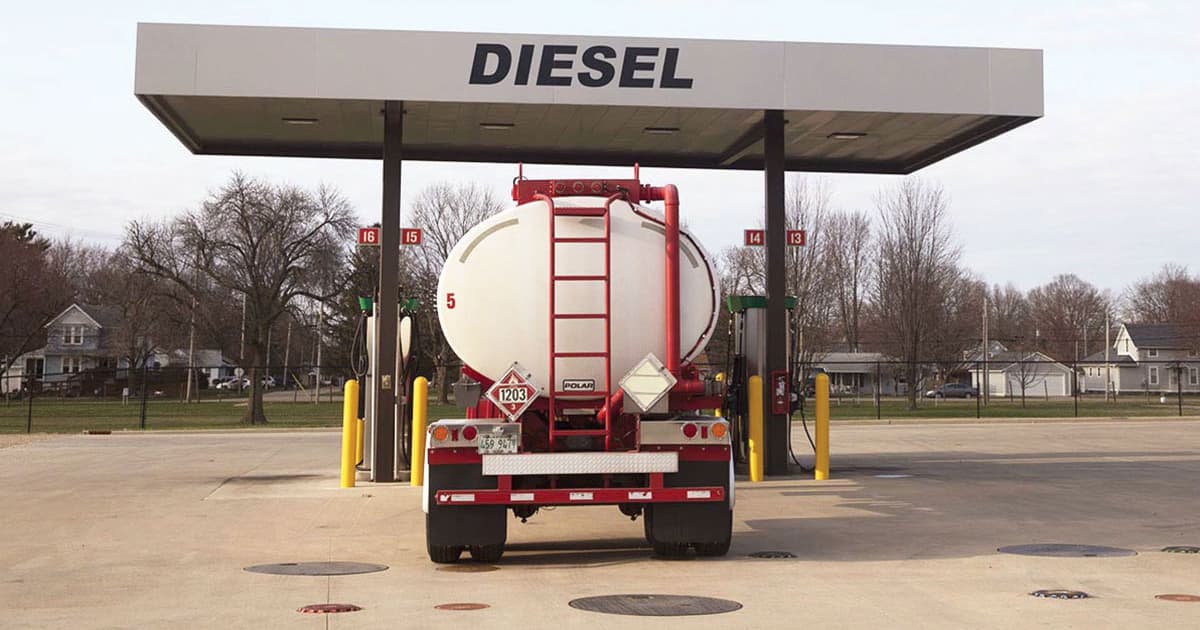
Global diesel supplies are expected to tighten considerably as winter nears, driven by Strait of Hormuz disruptions and refinery damage.
Oil prices are rising due to supply risks in the Strait of Hormuz and unresolved US-Iran negotiations
ADNOC Gas commits $8.2 billion to gas infrastructure in Habshan and Ruwais, targeting growth amidst Hormuz disruptions
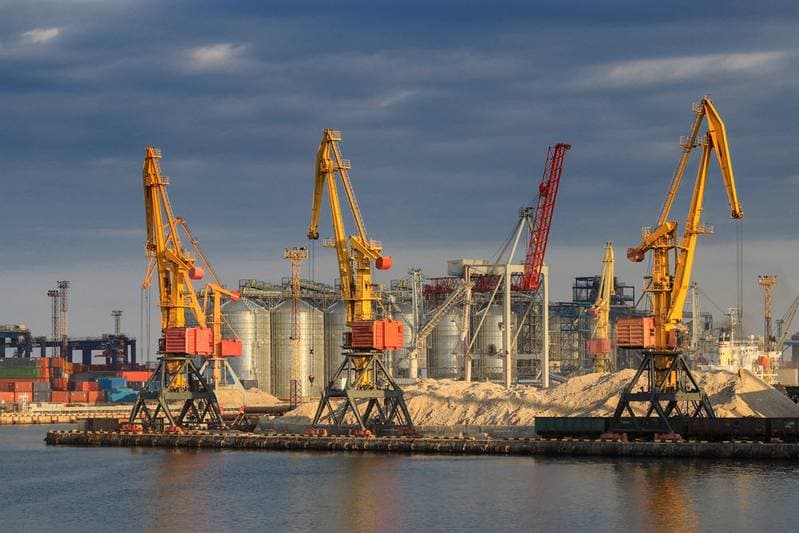
Odesa's port was reportedly damaged in recent attacks, raising concerns about global food security and Black Sea grain exports
Oil-producing nations are acquiring their own tankers to navigate frequent disruptions in Middle Eastern shipping lanes.
Sweden is set to hand over a seized Russian cargo ship to Ukraine, which suspects it of transporting stolen grain
The UAE has moved more oil through the Strait of Hormuz than any other producer over the last two months.
A US official indicates an imminent deal between Iran and Oman to restore commercial shipping in the Strait of Hormuz.
Iran has outlined comprehensive demands to the US for the Strait of Hormuz reopening, complicating efforts to restore tanker traffic
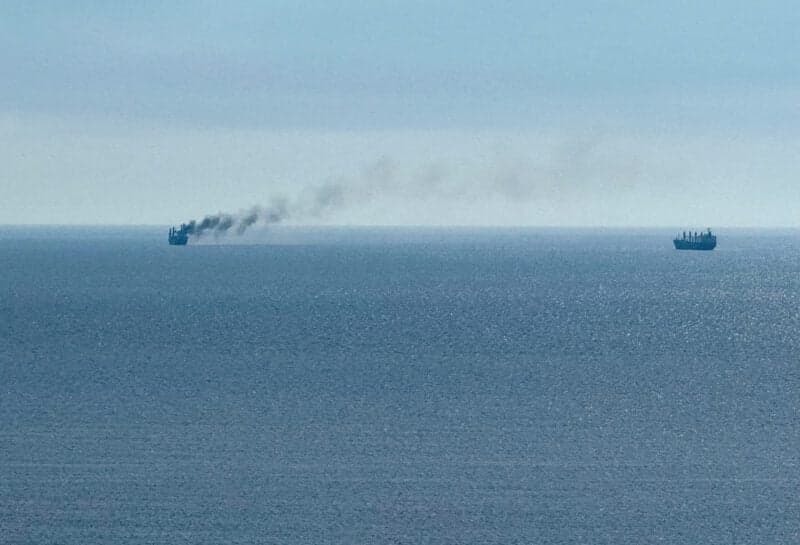
Russia's Ministry of Defence announced further strikes on Ukrainian port infrastructure and military-supporting vessels in Odesa.
Browse by mode or open the Intelligence Suite for cross-cutting briefs.