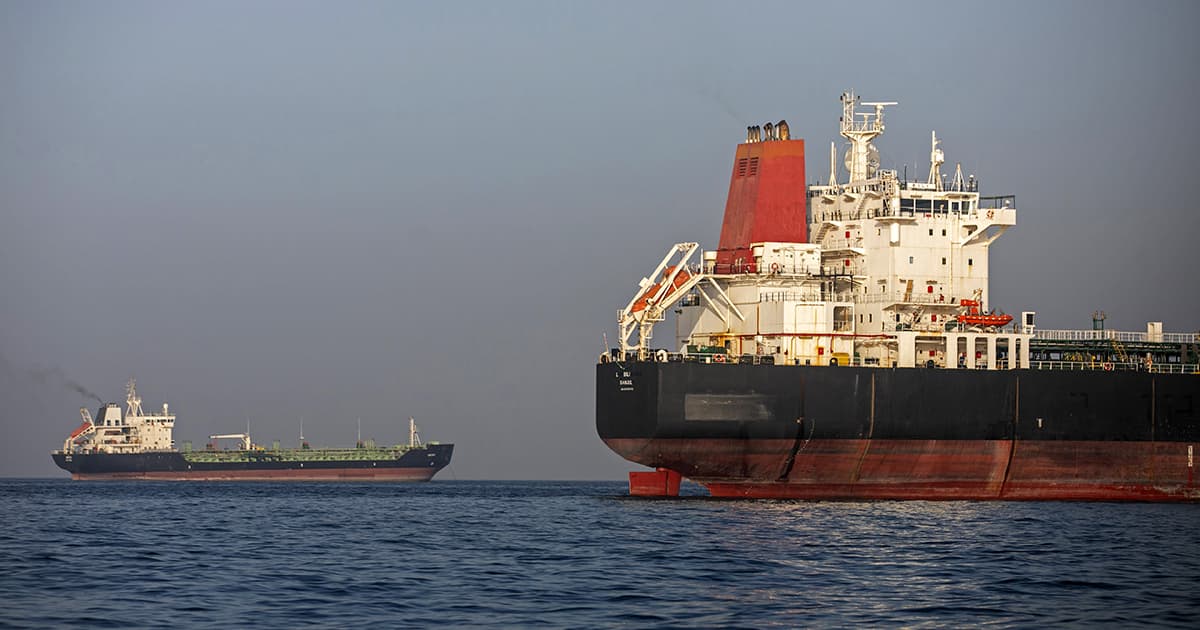
Since a conflict erupted on February 28, leading to the effective closure of the Strait of Hormuz, 29 out of 109 large oil tankers that were stranded have managed to cross the chokepoint. This represents approximately a quarter of the vessels that were initially trapped.
This situation highlights the vulnerability of global energy supply chains to geopolitical events in critical maritime passages. The Strait of Hormuz is a vital route for crude oil exports, and its disruption can have significant ripple effects on international markets.
For freight forwarders and shippers, the partial reopening of the Strait of Hormuz means a slight improvement in the flow of oil, potentially easing some pressure on energy prices and vessel availability for crude transport. However, the majority of the stranded fleet remains, indicating ongoing risks and potential for further disruption. Forwarders should continue to monitor the situation closely for any changes in transit conditions or security advisories, as sustained closures or renewed tensions could lead to increased war risk premiums and longer transit times for alternative routes.
There is no information in the source about what might happen next, or any specific measures being taken to free the remaining vessels.