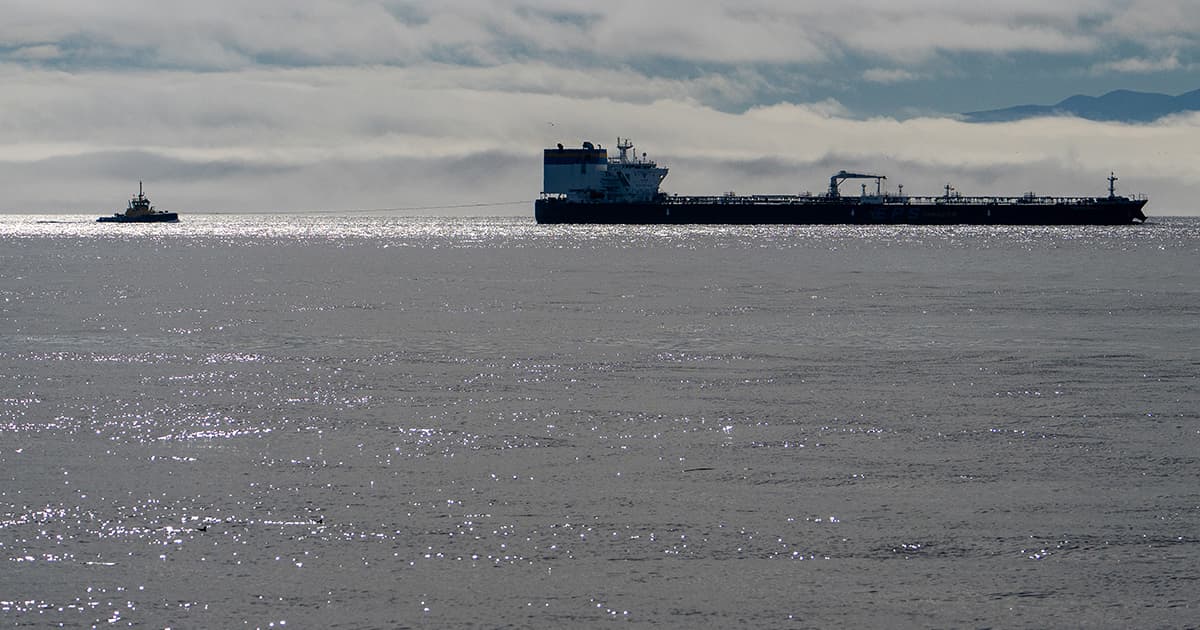
On May 26, the Strait of Hormuz experienced an increase in ship transits, reaching a total of 13 vessels. Data from S&P Global Commodities at Sea indicates that seven ships entered the strait while six departed. This activity included the transit of a Malaysian Very Large Crude Carrier (VLCC).
This rise in transits represents an increase compared to the previous day, May 25, when only eight total transits were recorded. The Strait of Hormuz is a critical chokepoint for global oil shipments, connecting the Persian Gulf to the open ocean.
For freight forwarders and operations managers, increased vessel traffic in a geopolitically sensitive area like the Strait of Hormuz can signal ongoing trade flows but also potential risks. While the current report indicates normal activity, any escalation of tensions in this region could lead to disruptions, increased war risk premiums, and re-routing considerations for crude oil and other cargo. Monitoring such transit numbers is crucial for assessing supply chain stability and potential impacts on shipping schedules and costs.