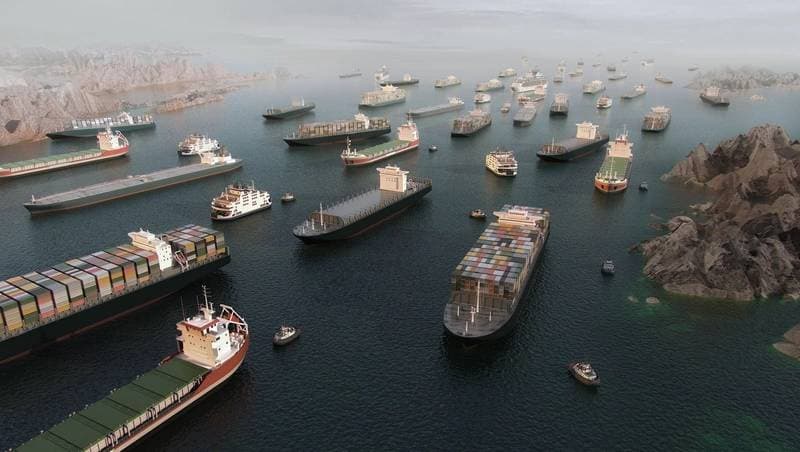
The Strait of Hormuz has consistently been identified as a vital maritime chokepoint since the Iranian Revolution in 1979. While threats of closure have surfaced periodically, the strait has never been fully shut down. Its strategic importance stems from its role as the primary transit route for a substantial portion of the world's oil supply, connecting major oil-producing nations in the Middle East to global markets. Any disruption in this narrow waterway could have profound consequences for international energy security and maritime trade.
For freight forwarders and shippers, the ongoing geopolitical tensions surrounding the Strait of Hormuz translate into heightened operational risks and potential cost increases. The threat of disruption can lead to elevated war risk insurance premiums for vessels transiting the area, directly affecting shipping costs. Forwarders must continuously monitor the security situation and consider alternative routing strategies, although viable detours for such a critical chokepoint are limited and often involve significantly longer transit times and higher fuel consumption. This situation demands robust contingency planning and clear communication with clients regarding potential delays and surcharges.