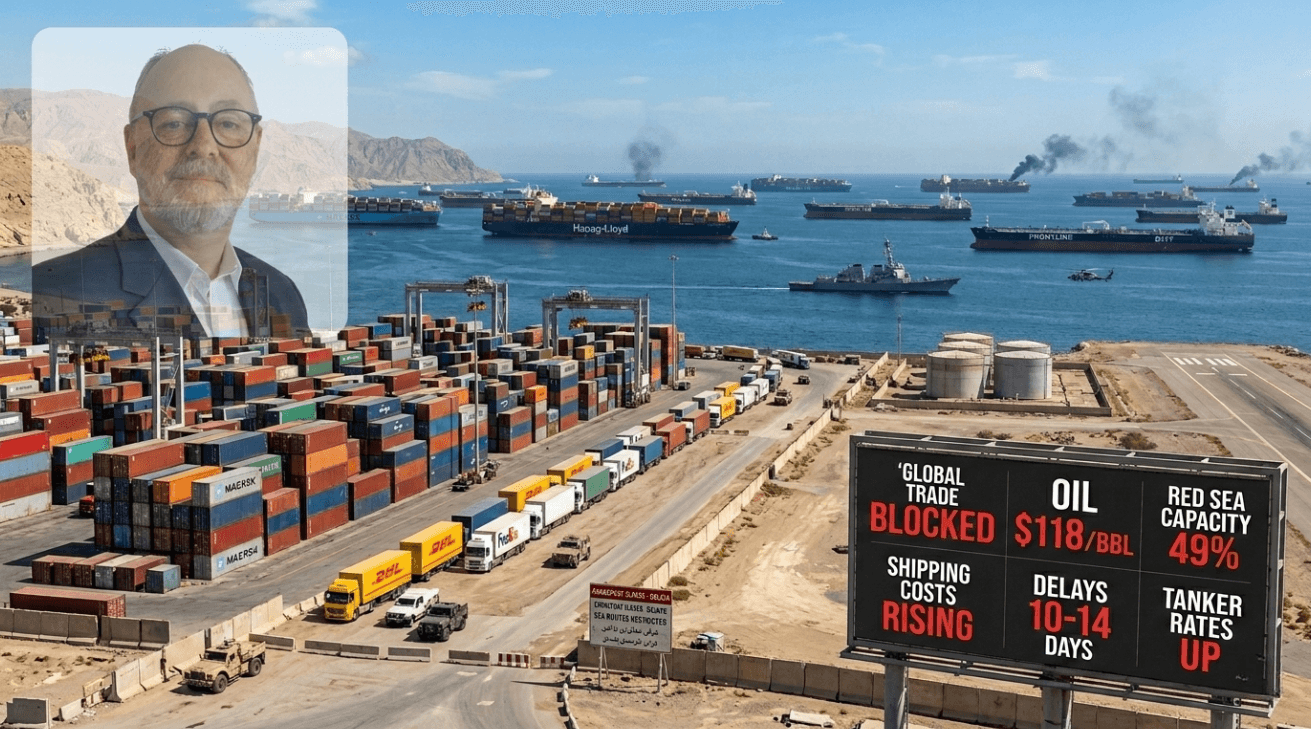
Both the Red Sea and the Strait of Hormuz are currently experiencing simultaneous blockages, a situation not seen in modern history. This dual disruption has significant implications for global trade and logistics.
The Red Sea has faced ongoing security challenges, leading many carriers to reroute vessels around the Cape of Good Hope. The Strait of Hormuz, a critical chokepoint for oil and gas shipments, is also now impacted, intensifying the crisis.
For freight forwarders and shippers, this means severe disruptions to established trade lanes, particularly for cargo moving between Asia and Europe, as well as energy shipments. Capacity on alternative routes will be strained, leading to increased transit times and potentially substantial rises in ocean freight rates. Air freight demand is likely to surge as companies seek faster, albeit more expensive, alternatives for urgent cargo. Operational planning will become more complex, requiring constant adjustments to routing and scheduling, and higher war risk premiums will impact overall costs.