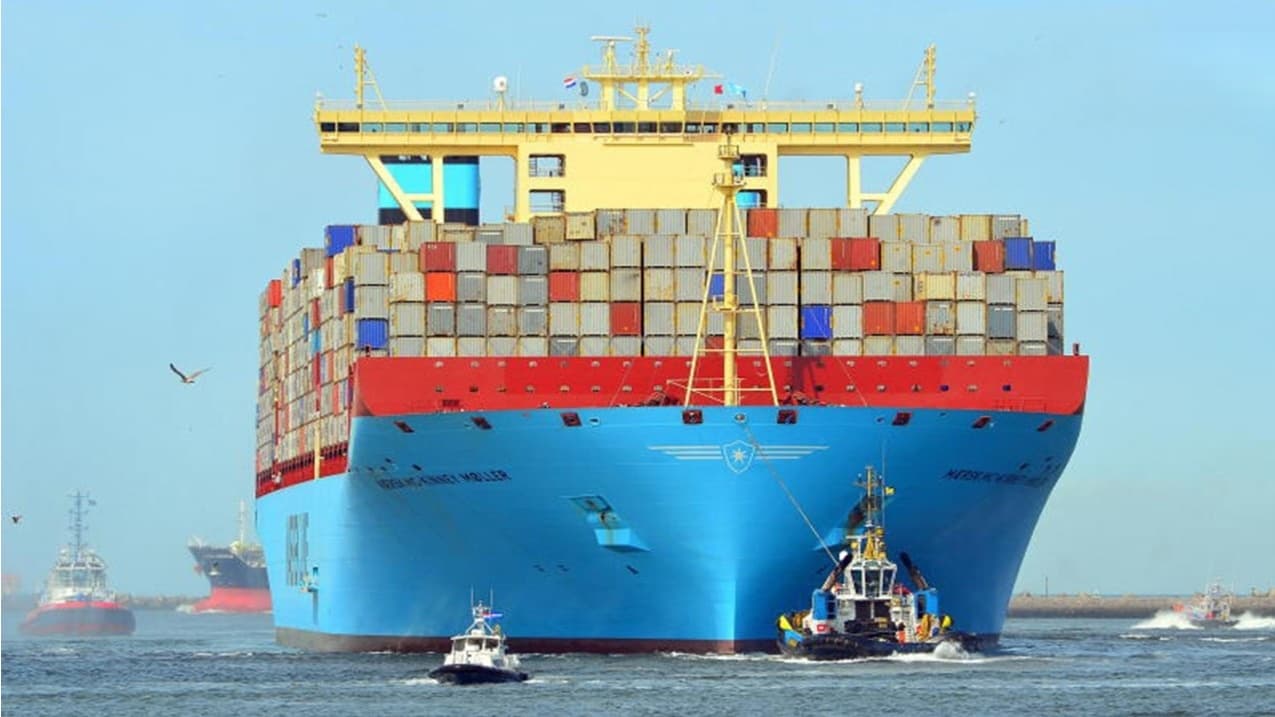
Maersk has issued a statement refuting a consultant's report that indicated one of its vessels recently traversed a hazardous shipping lane in the Middle East. The company's denial addresses concerns about vessel safety and routing in a region known for security challenges.
This incident highlights the heightened scrutiny on carrier movements, particularly in areas affected by geopolitical tensions. The Red Sea and surrounding waters have seen increased risks, leading many shipping lines to reroute vessels, primarily via the Cape of Good Hope, to avoid potential attacks.
For freight forwarders and shippers, such reports and subsequent clarifications are critical. Misinformation or uncertainty about vessel routes can lead to confusion regarding transit times, potential surcharges (like war risk premiums), and overall supply chain reliability. Forwarders must remain vigilant in verifying carrier statements and monitoring official advisories to accurately plan and communicate with clients. Continued diversions around Africa mean longer transit times and higher fuel costs, which are typically passed on to shippers through increased rates. Any perceived deviation from established safe routes could also impact cargo insurance policies and lead to further operational complexities.
Maersk's swift denial aims to maintain confidence in its operational protocols and commitment to crew and cargo safety. The situation underscores the volatile nature of global shipping lanes and the need for accurate, timely information from carriers.