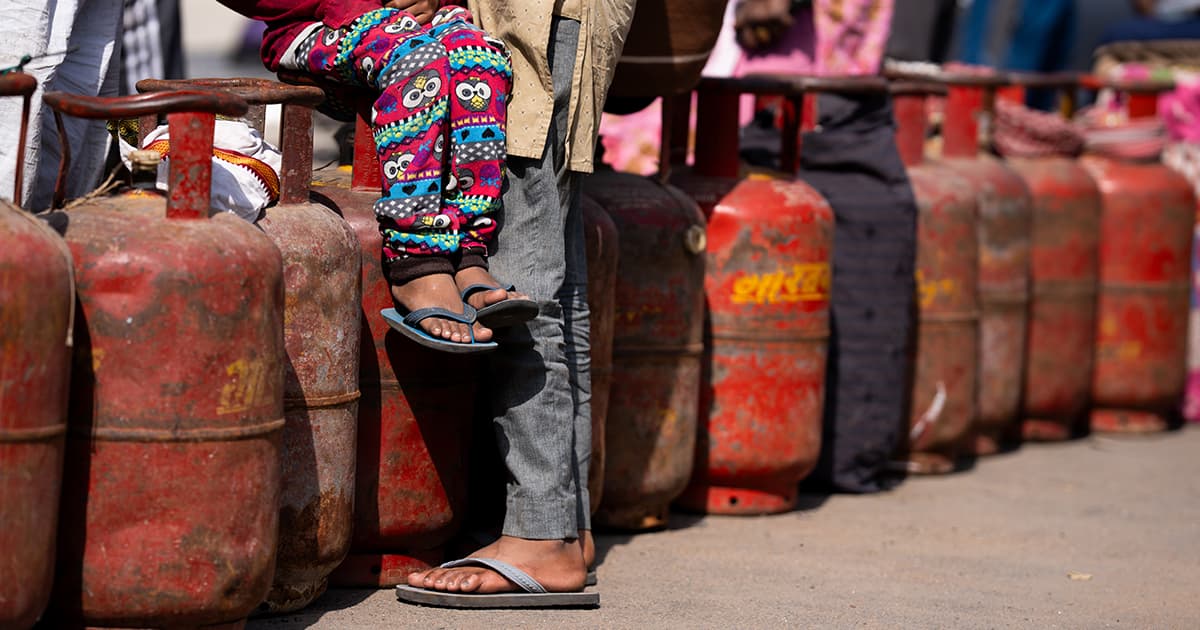
Asian buyers of liquefied petroleum gas (LPG) have reportedly canceled their orders for U.S. supplies, primarily due to a significant rise in freight costs. This escalation in shipping expenses is directly linked to the recent conflict involving Iran, which led to the virtual closure of the Strait of Hormuz. The disruption in this critical waterway compelled these buyers to seek alternative sources for LPG, increasing demand and subsequently the cost of transport from the United States.
For freight forwarders and operations managers, this situation highlights the immediate and substantial impact of geopolitical events on global commodity markets and shipping logistics. The effective closure of a major chokepoint like the Strait of Hormuz necessitates rapid rerouting and sourcing adjustments, leading to higher spot rates for available vessel capacity. Forwarders handling energy commodities, particularly LPG, would face increased pressure to secure competitive freight, manage volatile pricing, and advise shippers on the most cost-effective, albeit more expensive, routing options. The cancellation of cargoes indicates that the elevated freight costs have made some shipments economically unviable for buyers.
Looking ahead, the stability of freight rates for LPG and other energy products will heavily depend on the de-escalation of tensions in the Middle East and the full reopening of the Strait of Hormuz. Continued instability could lead to sustained high freight costs, further impacting supply chain decisions and potentially shifting long-term sourcing strategies.