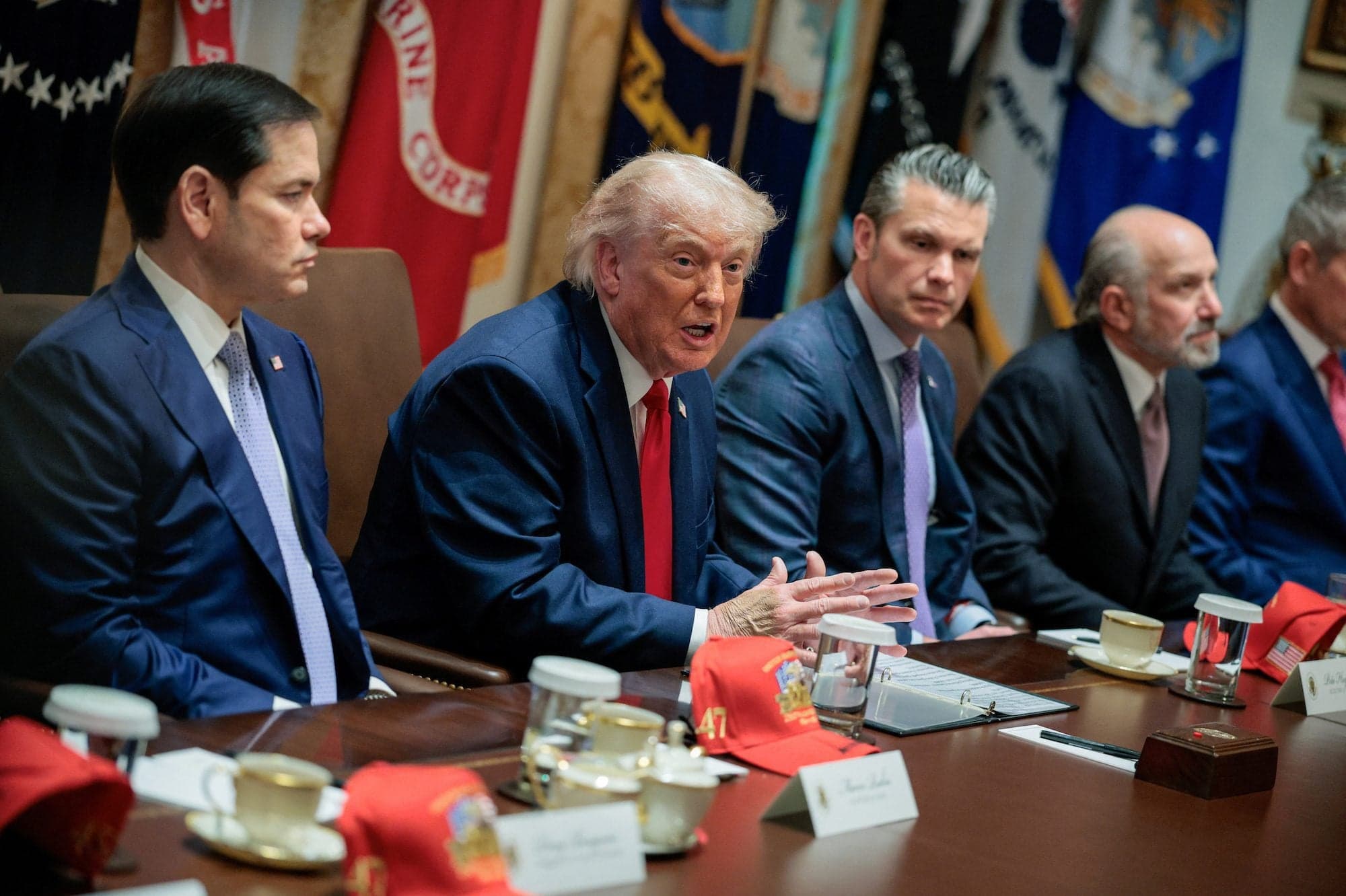
The Trump administration announced on Friday that the Strait of Hormuz must be immediately accessible for unrestricted commercial shipping, as part of a potential agreement with Iran. This move signals an effort to de-escalate tensions and ensure the free flow of maritime traffic through this vital global chokepoint.
The Strait of Hormuz is a strategically critical waterway connecting the Persian Gulf to the open ocean, through which a significant portion of the world's oil supply and other commercial goods transit. Previous periods of heightened geopolitical tension in the region have led to disruptions, including vessel seizures and attacks, impacting global supply chains and increasing shipping costs.
For freight forwarders and shippers, this potential agreement could lead to greater stability and predictability for routes passing through the Middle East. Unrestricted access would likely reduce transit times and mitigate the need for costly diversions. Furthermore, a de-escalation of tensions could lead to a decrease in war risk insurance premiums, which have historically surged during periods of instability in the region. This would directly benefit shippers by lowering overall freight costs and improving budget certainty.
Should this agreement materialize, it would represent a significant step towards normalizing maritime operations in a historically volatile area. Forwarders should stay informed about the progress of these diplomatic efforts and any subsequent changes in shipping advisories or insurance rates.