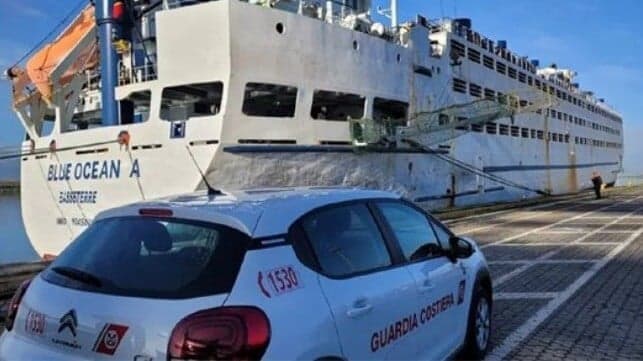
The maritime sector is currently experiencing a notable increase in the conversion of various vessel types into dedicated livestock carriers. This trend is largely a response to the ongoing challenges and persistent concerns regarding the operational condition and safety standards of the existing global fleet designed for animal transport.
For freight forwarders and operations managers involved in specialized cargo, this development could signal a potential increase in available capacity for livestock shipments, albeit with vessels that are repurposed rather than purpose-built. It may also lead to a diversification of vessel types used for such transport, potentially impacting scheduling and specific port requirements. Forwarders should monitor the regulatory landscape for these converted vessels, as classification societies and flag states may impose specific requirements or restrictions, which could influence routing and operational costs. The long-term impact on freight rates for livestock transport remains to be seen, but increased capacity could stabilize or even reduce costs if demand does not outpace the new supply.