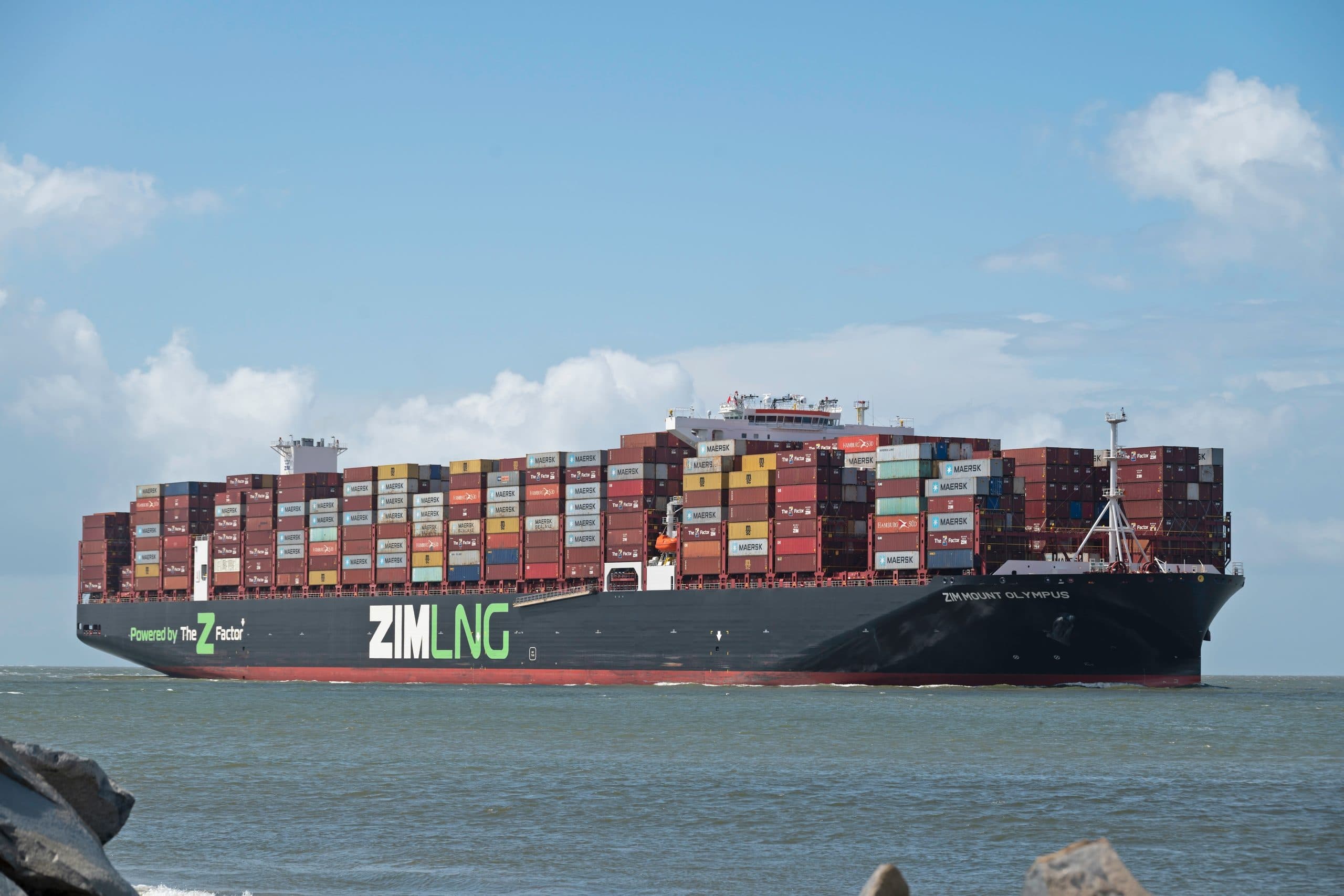
Maersk, a leading global shipping and logistics company, has announced a substantial upward adjustment to its financial projections for the current fiscal year. This revised outlook is primarily a consequence of a significant increase in container freight rates across key East-West shipping routes.
The escalation in rates, which began in February, is linked to two main factors: elevated bunker fuel prices, influenced by ongoing geopolitical conflicts, and a notable trend of cargo frontloading, particularly on the Trans-Pacific trade lane.
For freight forwarders and operations managers, this development signals a continuation of volatile and high ocean freight rates, especially on routes connecting Asia with Europe and North America. Capacity might remain tight as carriers capitalize on increased demand and higher operating costs. Shippers should anticipate sustained pressure on their transportation budgets and consider booking cargo well in advance, particularly for Trans-Pacific shipments, to mitigate potential disruptions and secure space. The increased bunker costs will likely be passed on through BAF (Bunker Adjustment Factor) surcharges, impacting overall shipping expenses.