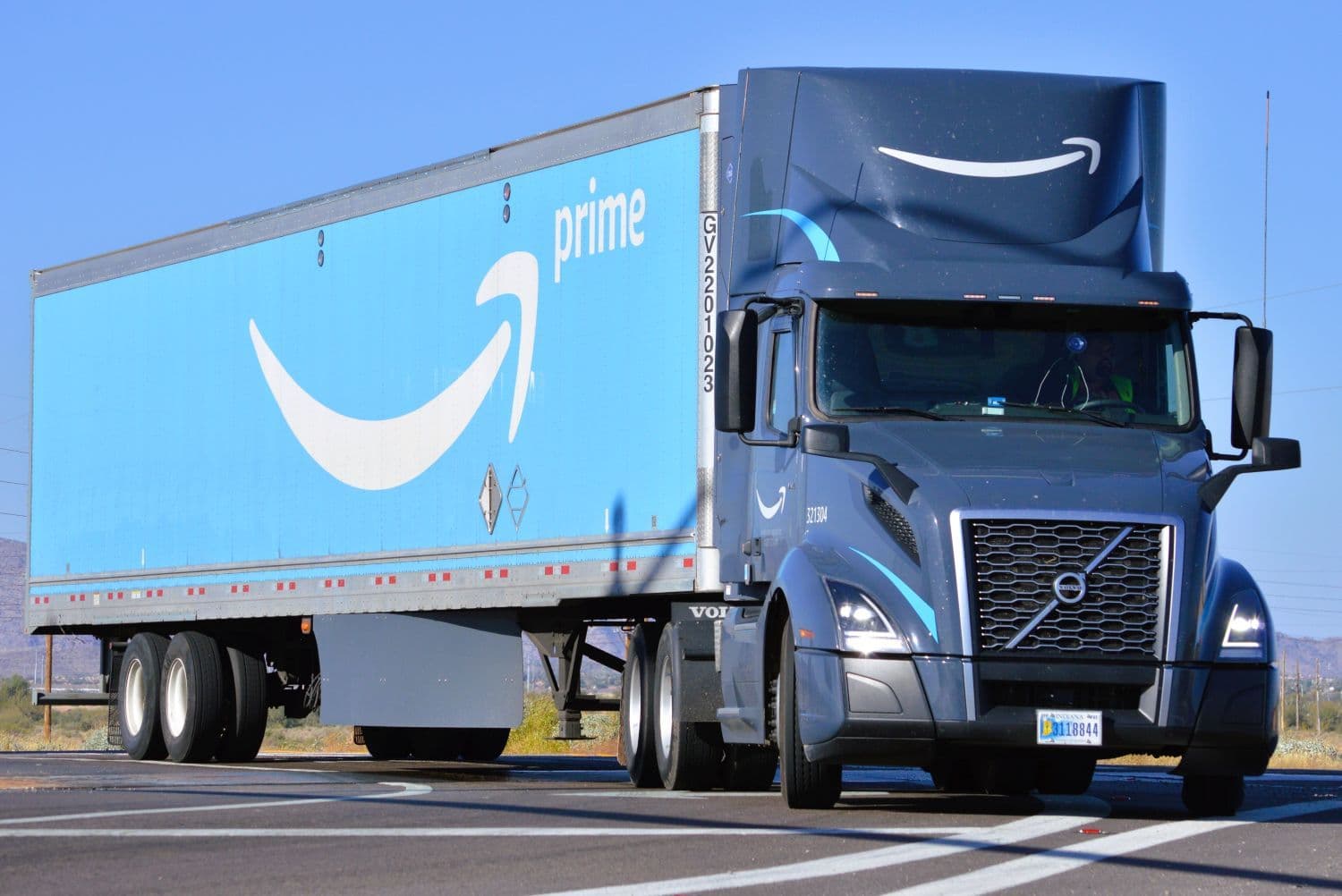
Amazon Freight has announced the expansion of its less-than-truckload (LTL) service, making it available to external customers. This decision is primarily influenced by the current volatile market conditions, which have led to a greater need for flexibility among shippers.
Historically, Amazon's freight services largely supported its internal e-commerce operations. However, by opening its LTL network, the company aims to capitalize on its established infrastructure and offer a competitive solution to a broader market.
For freight forwarders and operations managers, this development could introduce a new player in the LTL market, potentially increasing competition and offering alternative capacity options. Shippers might find more flexible and potentially cost-effective solutions for smaller, frequent shipments, especially those integrated with Amazon's ecosystem. This could impact routing decisions and carrier selection for domestic road freight.
This expansion suggests Amazon's continued ambition to grow its logistics footprint and become a more significant third-party logistics provider, moving beyond just supporting its own retail business.