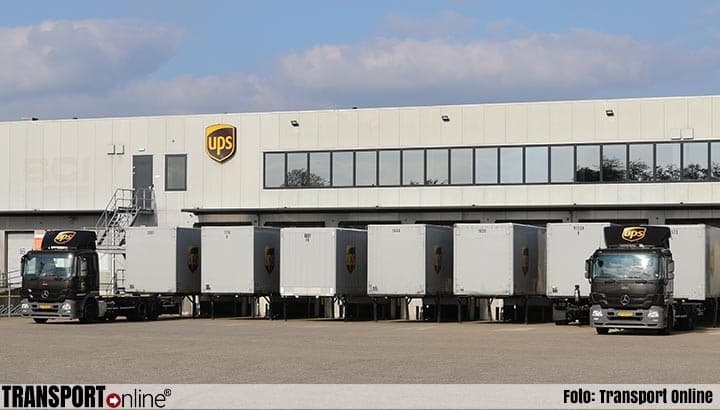
UPS's recent announcement of collective redundancies in Belgium has provoked significant backlash from the European Transport Workers' Federation (ETF). The union alleges that UPS intends to replace more than 50% of its Belgian employees with outsourced personnel. The ETF characterizes this strategy as "social dumping," arguing that it undermines worker rights and fair labor practices within the European transport industry.
This situation highlights a broader concern within the European labor movement regarding the increasing reliance on subcontracting, particularly in the logistics and parcel delivery sectors. Unions fear that such practices lead to a race to the bottom in terms of wages, working conditions, and social protections for workers.
For freight forwarders and logistics operations managers, this development signals potential labor unrest and increased scrutiny on carrier employment practices, especially for last-mile delivery services. While not directly impacting ocean or air freight rates, it could affect the reliability and cost of parcel delivery services in Belgium and potentially set precedents for other European markets if regulatory changes are enacted. Forwarders may need to assess the labor practices of their chosen last-mile partners to mitigate reputational risks and ensure service continuity.
The ETF is actively calling on the European Union to establish more stringent regulations to curb the perceived abuse of subcontracting. The union's objective is to safeguard workers' rights and ensure fair competition across the transport sector, potentially leading to legislative proposals at the EU level.