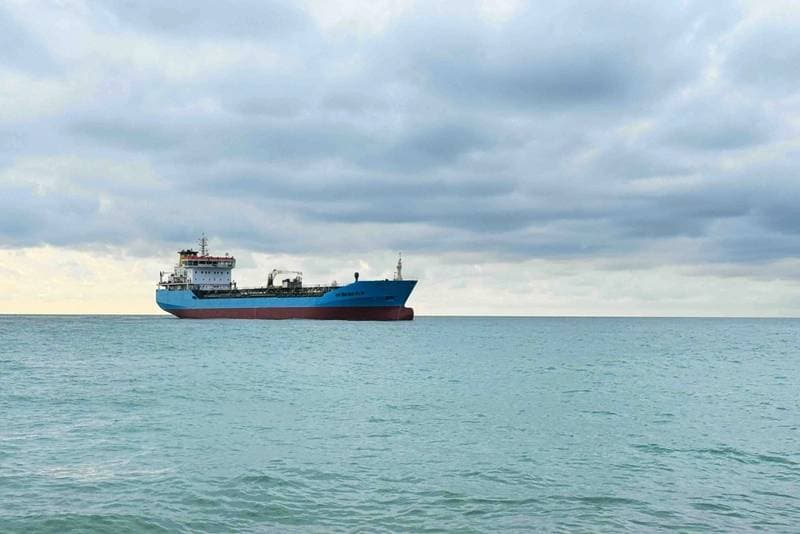
The International Maritime Organization (IMO) is working on new regulations to reduce black carbon emissions from vessels operating in the Arctic. This initiative builds upon previous efforts to clean up Arctic shipping, such as the establishment of Emission Control Areas (ECAs) and the ban on heavy fuel oil (HFO) in the region. While these earlier measures have contributed to environmental protection, they were not specifically designed to tackle black carbon, which is identified as a critical threat to the Arctic environment due to its role in accelerating ice melt and regional warming.
For freight forwarders and operations managers, these upcoming regulations signify a continued trend towards stricter environmental compliance for Arctic routes. Shippers utilizing the Northern Sea Route or other polar passages may face new requirements regarding vessel fuel types or emission abatement technologies. This could potentially lead to adjustments in operational costs, vessel selection, and route planning for Arctic-bound cargo, as carriers adapt to meet the new black carbon reduction standards. Forwarders should monitor the development of these rules to advise clients on potential impacts on their supply chains and ensure compliance for future shipments.