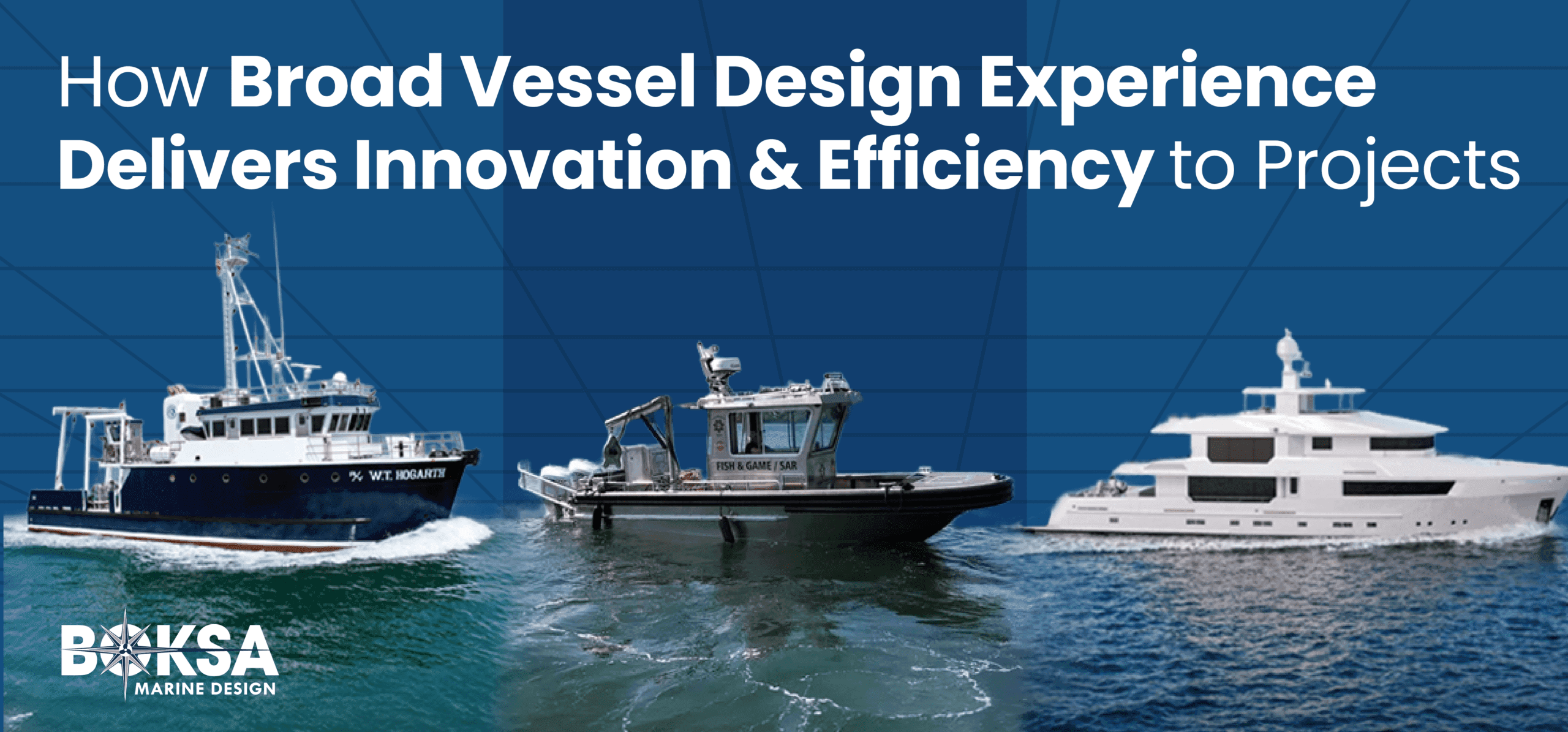
The maritime industry is experiencing significant technological advancements, yet traditional vessel design practices often operate in isolated sectors. Naval architecture firms typically specialize in a single vessel type, such as tankers or container ships, limiting the cross-pollination of innovative ideas and proven solutions from other segments.
By adopting a cross-sector approach, designers can leverage insights and technologies developed for different vessel categories. For example, efficiency gains from cruise ship hull designs could be applied to cargo vessels, while advanced navigation systems from naval ships might enhance safety and operational performance in commercial fleets. This integrated methodology encourages a holistic view of vessel performance, encompassing aspects like hydrodynamics, propulsion, automation, and crew welfare.
For freight forwarders and operations managers, this shift towards integrated design could lead to more efficient and reliable vessels. Improved fuel efficiency, for instance, could translate into more stable or lower bunker costs, potentially impacting freight rates. Enhanced vessel performance and reliability might also contribute to better schedule integrity, reducing delays and improving supply chain predictability. Furthermore, innovations in cargo handling or vessel autonomy, derived from cross-sector design, could streamline port operations and accelerate turnaround times.
This approach is expected to drive continuous innovation, pushing the boundaries of what is possible in maritime transport. Future developments may include more adaptable vessel platforms, optimized for various cargo types and operational environments, ultimately benefiting the entire logistics ecosystem.