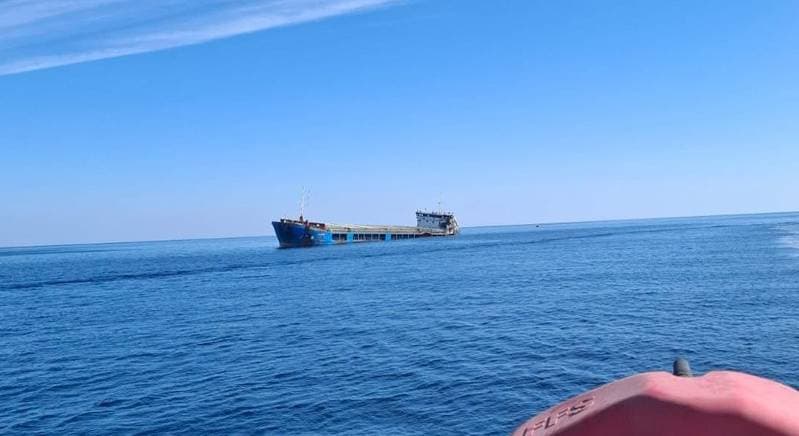
Container freight rates have experienced a substantial rise, primarily influenced by continued security issues in the Red Sea region. A recent attack on a vessel operated by MSC has further exacerbated concerns, contributing to the upward pressure on shipping costs. This incident underscores the persistent risks faced by commercial shipping in critical maritime corridors.
Simultaneously, a notable shipowner has voiced strong criticism regarding the International Maritime Organization's (IMO) current strategies for decarbonization. This critique suggests a growing dissatisfaction within parts of the industry concerning the pace and effectiveness of environmental regulations.
For freight forwarders and operations managers, these developments translate into immediate operational and financial impacts. The escalating freight rates will likely lead to higher shipping costs for clients, necessitating adjustments in pricing and budgeting. The Red Sea disruptions continue to demand rerouting strategies, increasing transit times and fuel consumption, which further impacts supply chain efficiency and reliability. The criticism of IMO's decarbonization efforts, while not directly impacting immediate operations, signals potential future shifts in regulatory frameworks that could influence vessel availability, fuel choices, and compliance costs.