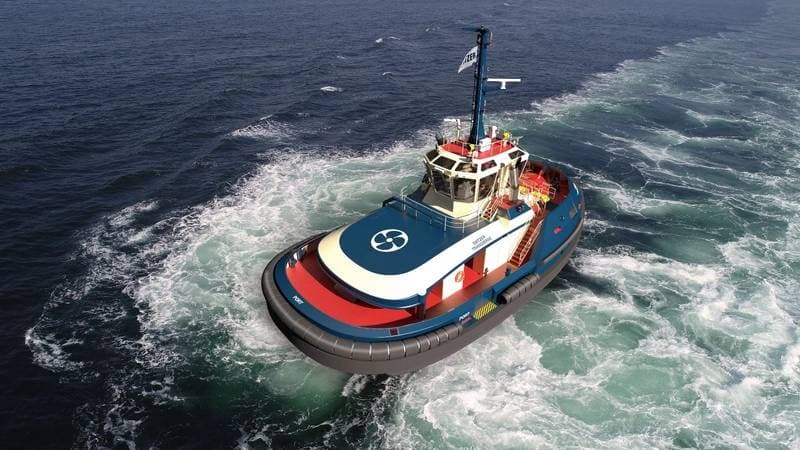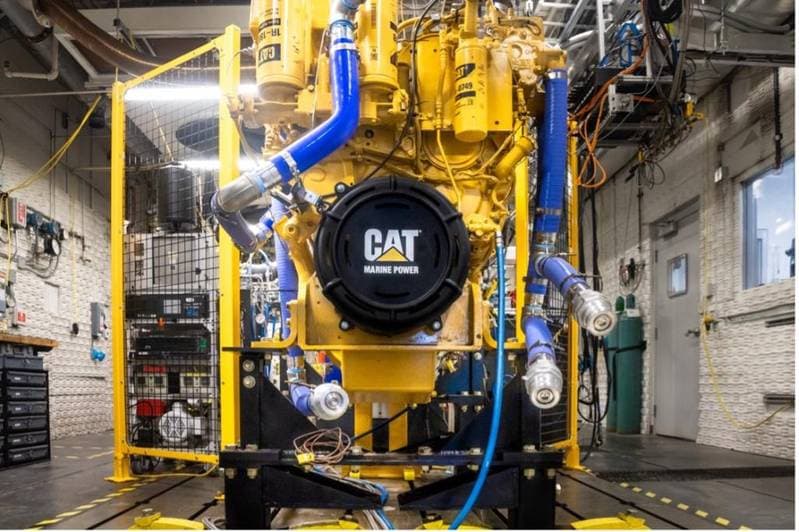
Oak Ridge National Laboratory (ORNL) and Caterpillar Inc. have jointly developed a dual-fuel combustion system designed to overcome the challenges of igniting methanol in traditional diesel engines. This advancement holds significant implications for inland and coastal marine vessels, offering a viable solution for transitioning to cleaner fuels.
Traditionally, methanol, often derived from natural gas, has presented ignition difficulties in diesel engines due to its chemical properties. The new system directly addresses this technical hurdle, making methanol a more accessible alternative fuel for a segment of the maritime industry that is under increasing pressure to decarbonize.
For freight forwarders and logistics professionals, this development signals a potential shift in the operational landscape for regional and short-sea shipping. The adoption of methanol-fueled vessels could lead to lower emissions in coastal trade lanes, potentially impacting compliance costs and offering more sustainable transport options for clients. While the immediate impact on rates or capacity is not specified, a broader rollout could influence vessel availability and fuel surcharges in the long term, particularly as environmental regulations tighten.
The article does not specify immediate next steps for commercialization or deployment, but the successful development of such a system by prominent research and industry partners suggests a move towards practical application in the near future.