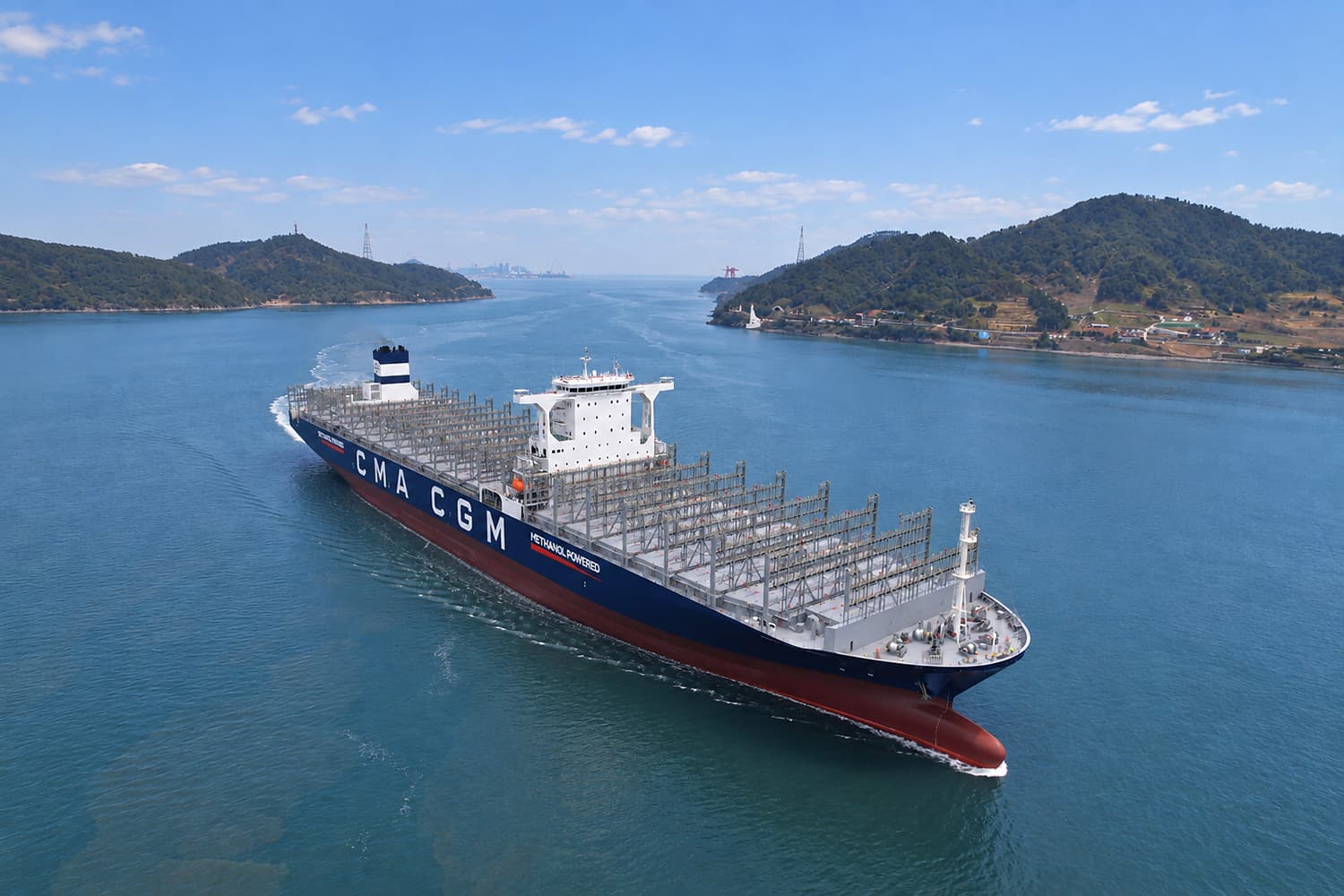
The shipping industry is currently experiencing what is being termed a "fourth skills revolution" at sea. This transformation necessitates that seafarers develop an extensive range of new competencies to manage modern vessel operations. Key areas of required expertise include the handling and management of alternative fuels, the operation of AI-assisted systems, understanding and mitigating cyber risks, and accurate emissions reporting.
This shift reflects the rapid technological advancements and increasing regulatory demands within the maritime sector. The industry's push towards decarbonization, digitalization, and enhanced security measures means that the traditional skill set of a seafarer is no longer sufficient. Training programs and industry standards are under pressure to adapt quickly to equip the workforce with these critical new capabilities.
For freight forwarders and operations managers, this evolution in seafarer skills has several implications. It could lead to a temporary shortage of adequately trained crew, potentially impacting vessel efficiency and schedule reliability. Increased training costs for carriers might also translate into higher operational expenses, which could eventually affect freight rates. Furthermore, the successful adoption of new technologies and fuels depends heavily on a competent crew, directly influencing the reliability and safety of cargo transport. Forwarders should monitor how carriers address this skills gap, as it will be a crucial factor in maintaining service quality.
Industry leaders are actively discussing strategies to address this skills gap, focusing on comprehensive training and development initiatives to ensure the maritime workforce can meet the demands of future shipping.