10d ago·Hellenic Shipping News
Brazilian Freight Costs and Lump Premiums Drive Iron Ore Margins Negative
Imported iron ore margins have turned negative, driven by higher lump premiums and rising Brazilian freight rates.
Articles tagged with the Freight Rates topic across every transport mode.
Imported iron ore margins have turned negative, driven by higher lump premiums and rising Brazilian freight rates.
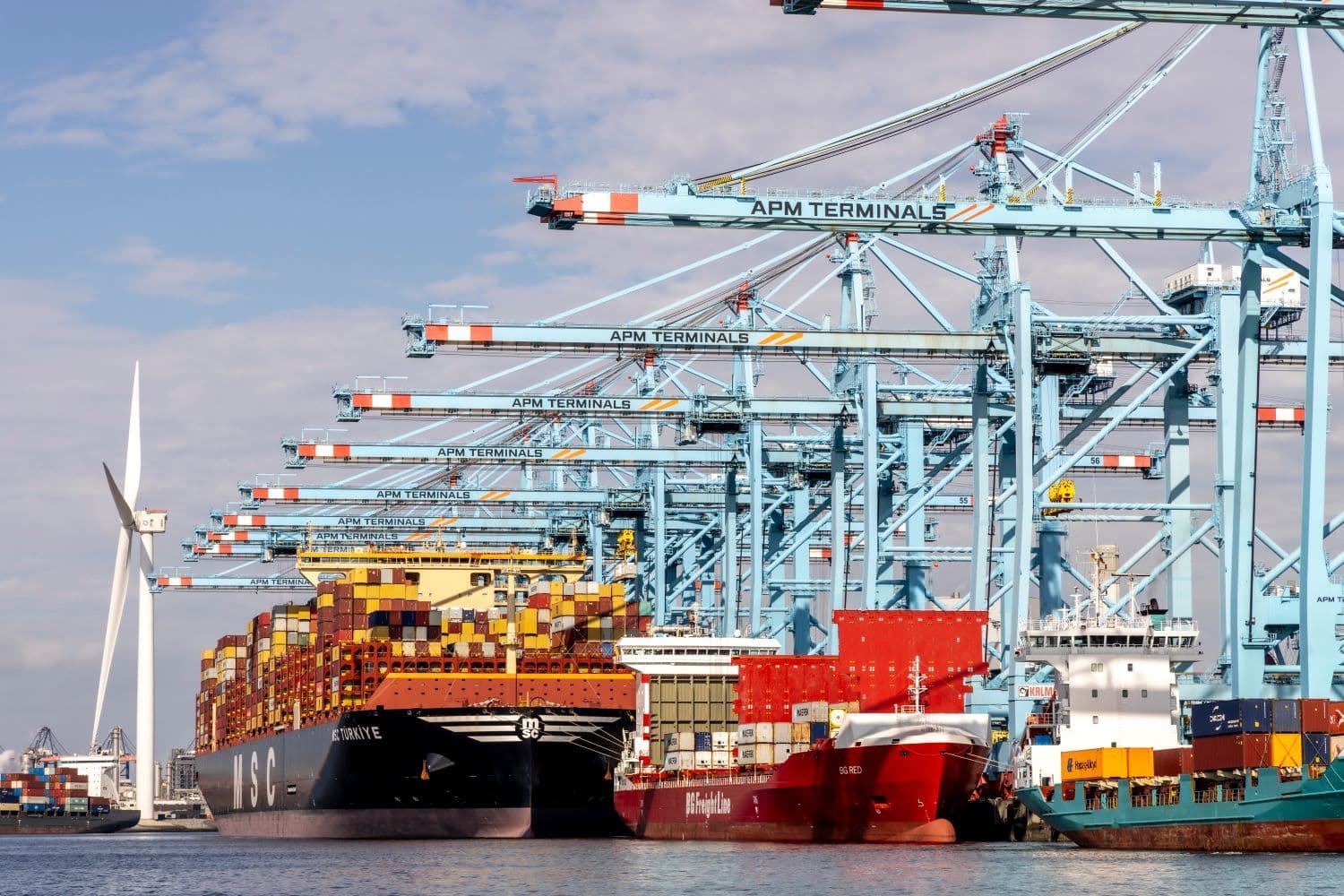
The period after Golden Week is anticipated to be highly volatile for ocean freight, marked by schedule instability and cargo delays.
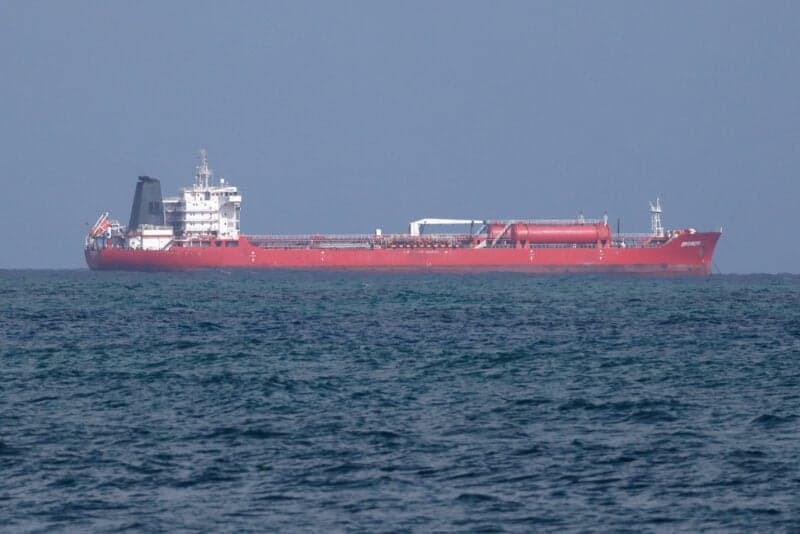
Venezuelan crude oil sales for October loading are facing delays due to a surge in shipping costs impacting negotiations.
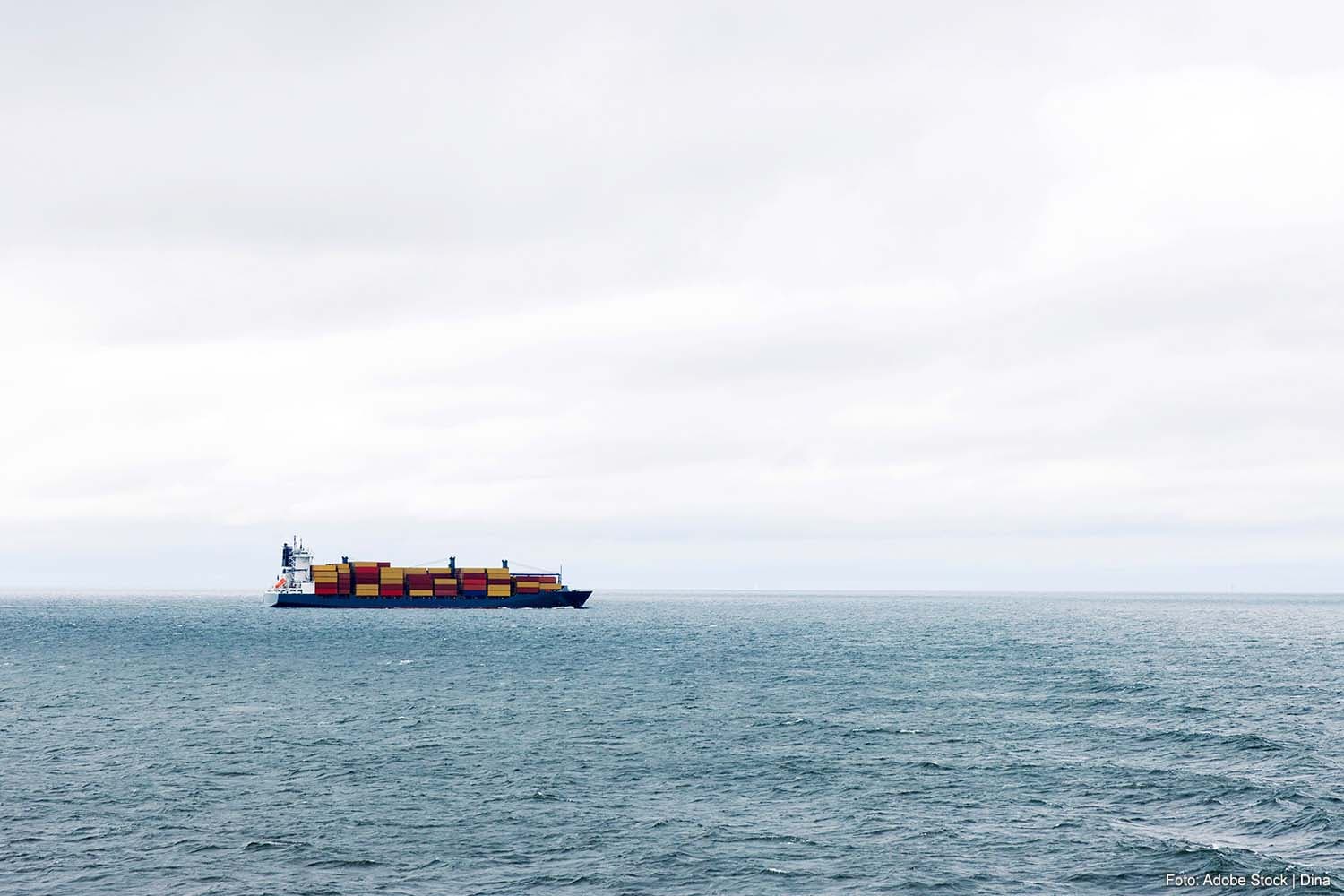
Maritime transport was the main mode for EU goods trade with non-EU countries in 2025, carrying over 70% by weight
Sea transport dominated the EU's 2025 external trade by volume, while air cargo held a larger share by value
Höegh Autoliners moved 1.2 million cbm of cargo in August 2026, with freight rates showing a marginal rise
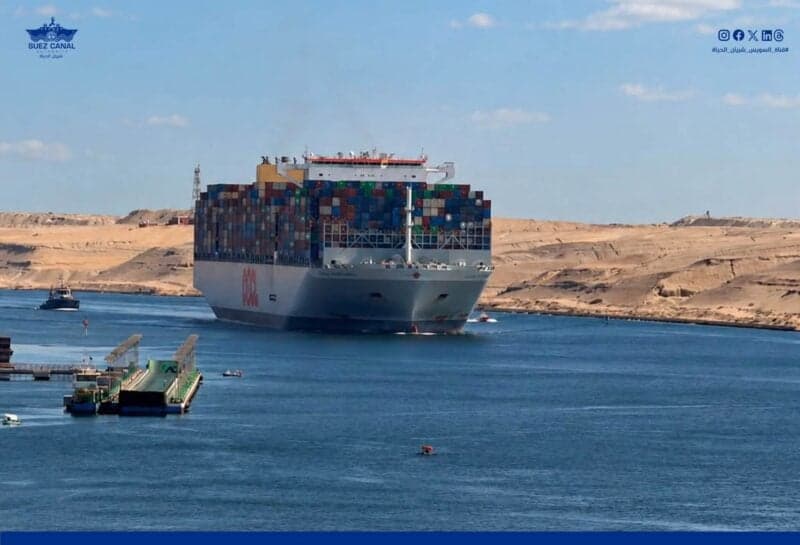
Global container shipping rates saw a minor dip this week, influenced by lower Asia-Europe prices and upcoming blank sailings.
Saia and XPO saw August volume increases, contrasting with decreases reported by other LTL carriers.
The Baltic Dry Index climbed 43 points to 3,473, reflecting an increase in global dry bulk shipping costs.
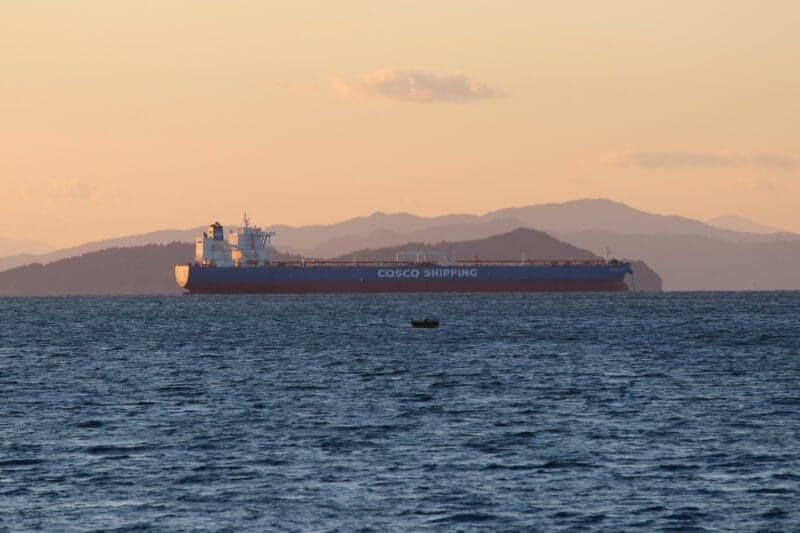
A substantial rise in tanker earnings is attracting new investors to shipping, as geopolitical crises limit vessel supply

Rhenus reports a 35.1% year-on-year increase in airfreight volumes from Spain to Latin America for 2026
Shippers are focusing on risk mitigation, resilience, and readiness for the 2026/27 ocean freight bid season.
Iron ore inventories at 10 key global ports rose by 681,500 metric tons, reversing a three-week decline
Surcharges are now the default industry response to volatility, creating unpredictable costs for shippers.
Chinese iron ore futures are experiencing downward pressure, nearing one-month lows due to ample supply and rising port inventories
Copper futures dropped from record highs due to a stronger dollar, making the commodity pricier for overseas buyers
Cargo owners are acquiring tankers due to high freight rates, prompting concerns about future market changes and efficiency.
Global cargo volumes are shrinking, yet shipping freight rates are soaring due to market inefficiencies.
The Baltic Dry Index (BDI) registered a minor decrease, yet remained near its highest point since mid-September.
Dirty tanker freight rates have reached historic highs, despite a reduction in global crude oil departures.
Global steel flows declined by 1% in July 2026, with China increasing its export share to 45.7%.
Tanker market activity has decreased this week after recent rate hikes for eastbound Fujairah-Arabian Gulf shipments.
New Baltic Handysize futures contracts are now available on SGX and EEX, providing tools for freight risk management
Eurozone manufacturing activity held steady in September, with output reaching a 55-month high due to rising export orders
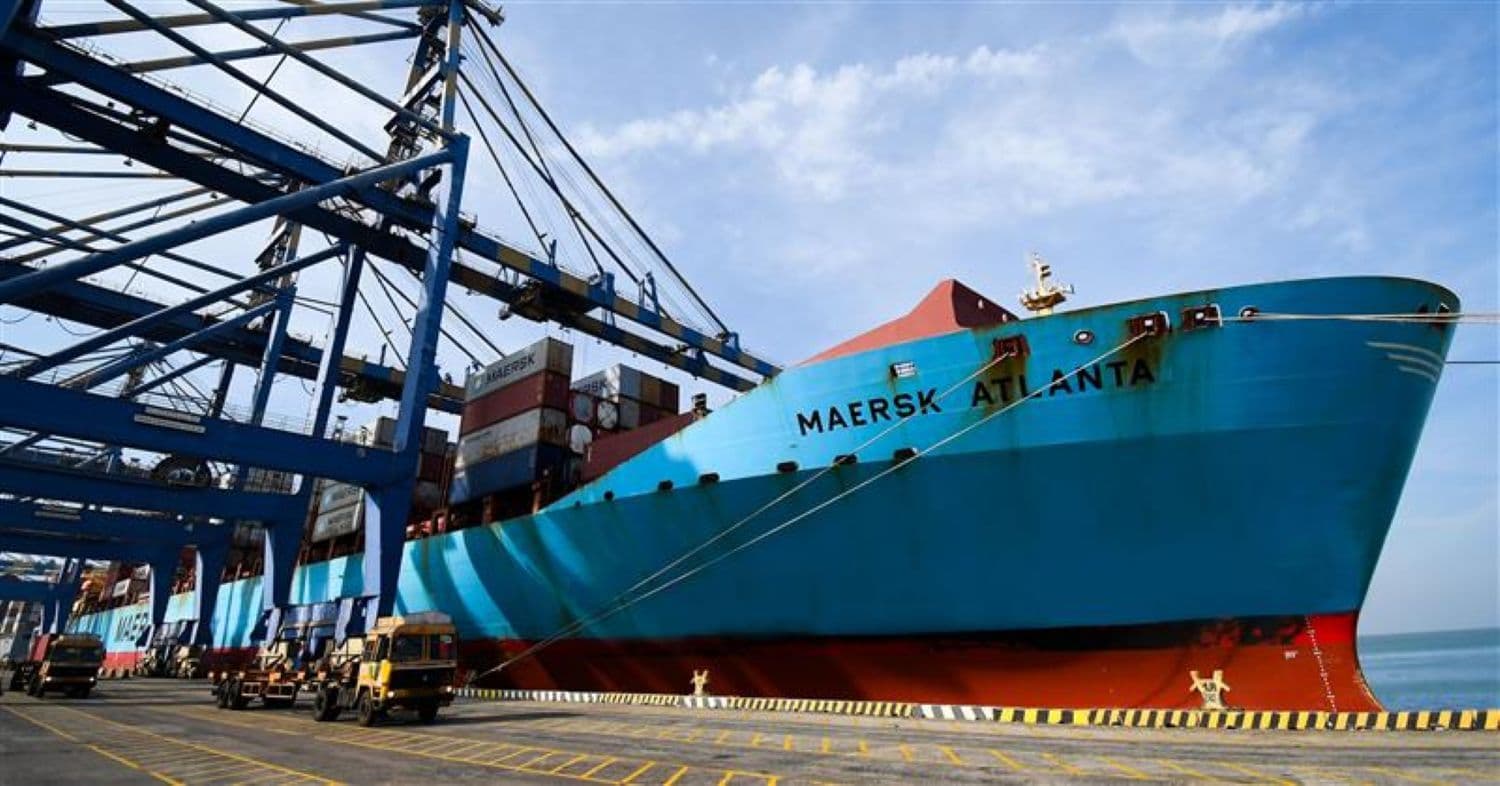
Maersk is upsizing its India-US East Coast service with 13,000 TEU ships, seeking to regain market share.
BIMCO predicts a 10% container shipping overcapacity by 2027 if Suez Canal transits normalize, impacting freight rates.

Procurement teams struggle to align traditional budgeting cycles with rapid market changes and geopolitical freight risks.
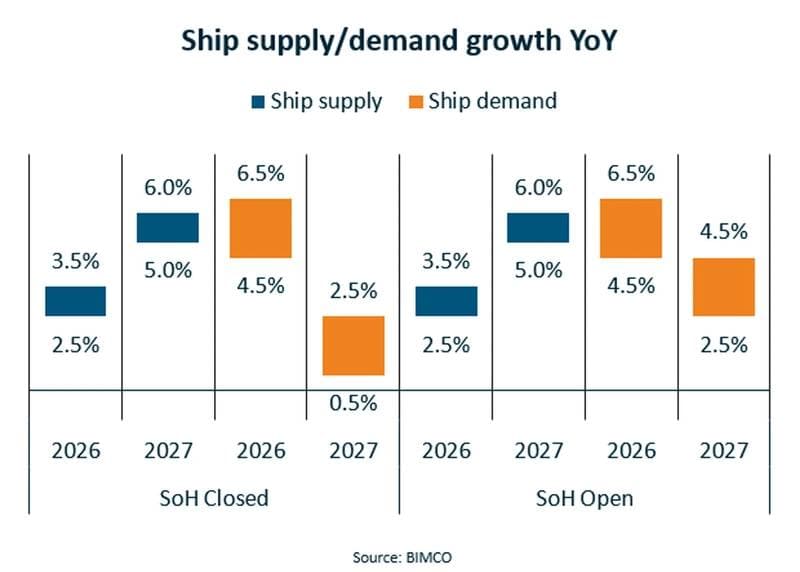
Accelerating fleet growth is projected to weaken the container shipping market's supply/demand balance in 2027.
Iron ore futures in China rose due to supply disruptions in Brazil caused by El Niño weather patterns and increased shipping costs
Wheat prices fell to a one-month low as renewed diplomatic efforts between Russia and Ukraine raised hopes for Black Sea shipping.
Browse by mode or open the Intelligence Suite for cross-cutting briefs.