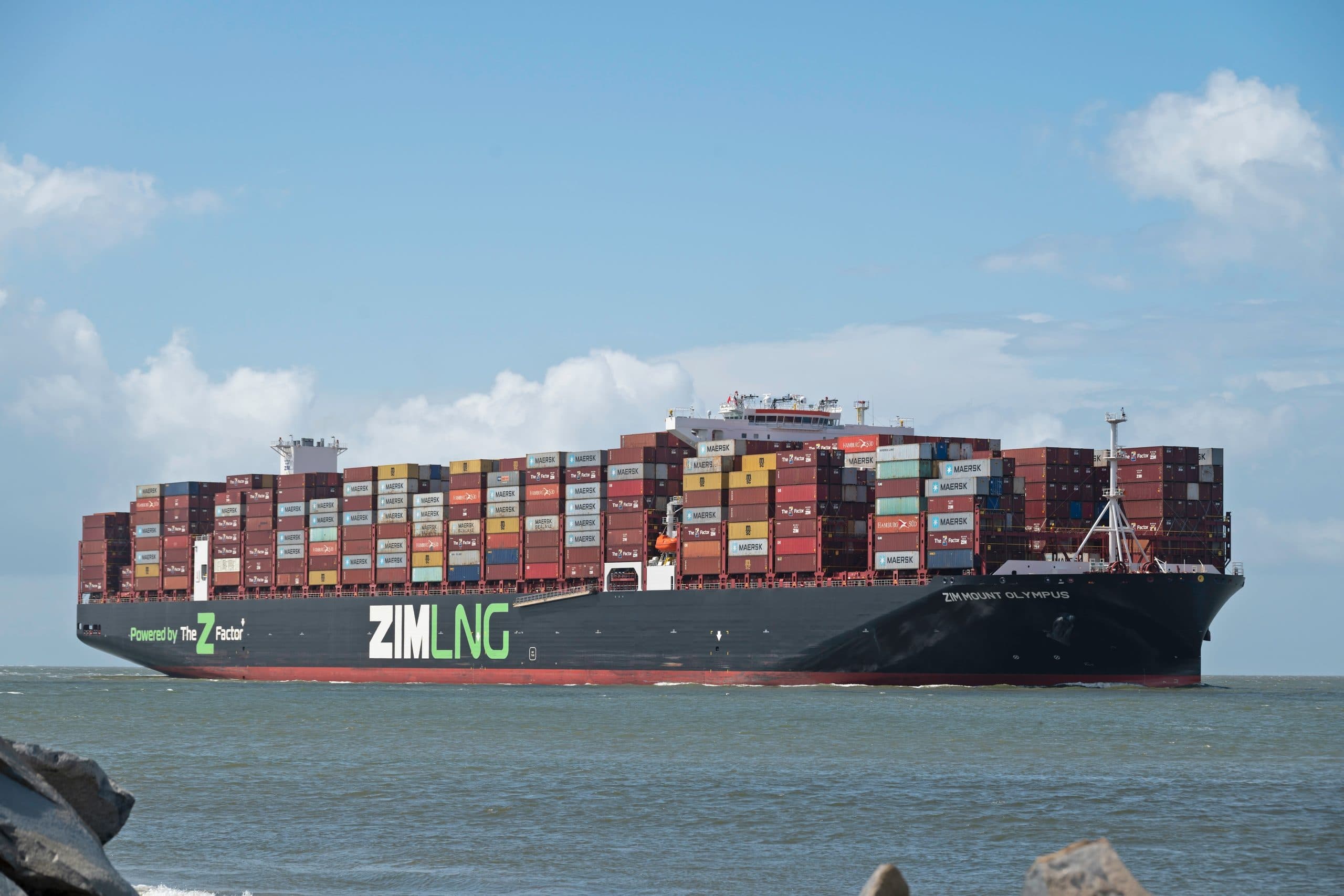
The U.S. shipping market is currently characterized by a complex interplay of factors, creating a dynamic environment for both carriers and shippers. The industry is observing shifts in capacity deployment and freight rate stability, influenced by broader economic trends and geopolitical developments. Carriers are actively managing their fleets and service networks to adapt to changing demand patterns, while shippers are seeking reliable and cost-effective solutions amidst these fluctuations.
For freight forwarders and operations managers, understanding these market dynamics is crucial for strategic planning. Rate volatility and potential capacity adjustments on key trade lanes, particularly the Trans-Pacific and Trans-Atlantic, necessitate agile procurement and routing decisions. Forwarders should closely monitor carrier announcements regarding blank sailings, new service introductions, and any changes in vessel sharing agreements to anticipate impacts on transit times and space availability. Proactive communication with shippers about potential disruptions and alternative options will be vital.
The future outlook suggests continued adaptation within the U.S. shipping sector. Factors such as ongoing supply chain reconfigurations, evolving consumer demand, and the potential for new regulatory frameworks will likely shape market conditions. Stakeholders will need to remain flexible and informed to navigate the complexities of this evolving landscape effectively.