12d ago·Hellenic Shipping News
New Ship Orders Drive Up Prices Amidst Tonnage Shortages
A global shortage of available ships is driving up vessel prices, with new orders contributing to the trend
Articles tagged with the Freight Rates topic across every transport mode.
A global shortage of available ships is driving up vessel prices, with new orders contributing to the trend
Saudi Arabia's export rerouting is straining Gulf of Oman STS capacity, forcing longer voyages and increasing VLCC demand.
India's crude oil import bill rose by 48.4% to $74.8 billion from April to August due to elevated international prices.
Australian thermal coal futures fell to $145 per tonne from a three-month high, driven by increased Chinese output.
US shippers are increasingly using private truck fleets to manage rising costs and capacity shortages, integrating them into supply chain…
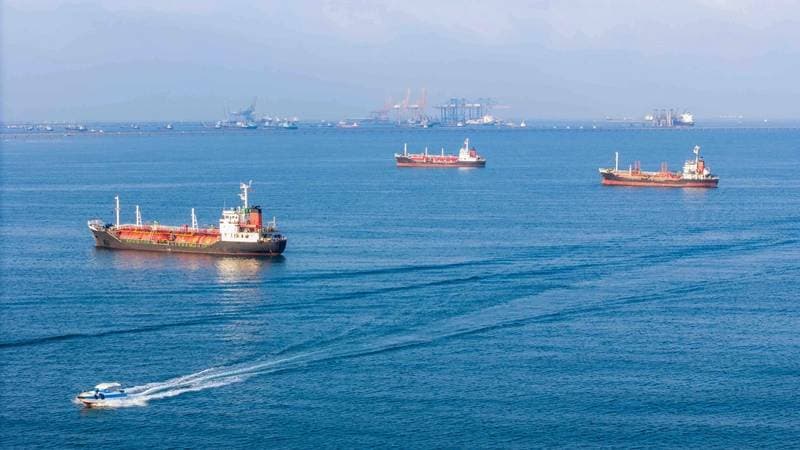
Saudi Arabia denied Iraq's claim of purchasing 25 oil tankers, refuting the information as inaccurate.

Oil trading firms Vitol and Trafigura are pushing for larger discounts on Venezuelan crude as high freight rates impact margins.
Strong VLCC freight rates in the East are tightening Atlantic capacity and boosting pricing.
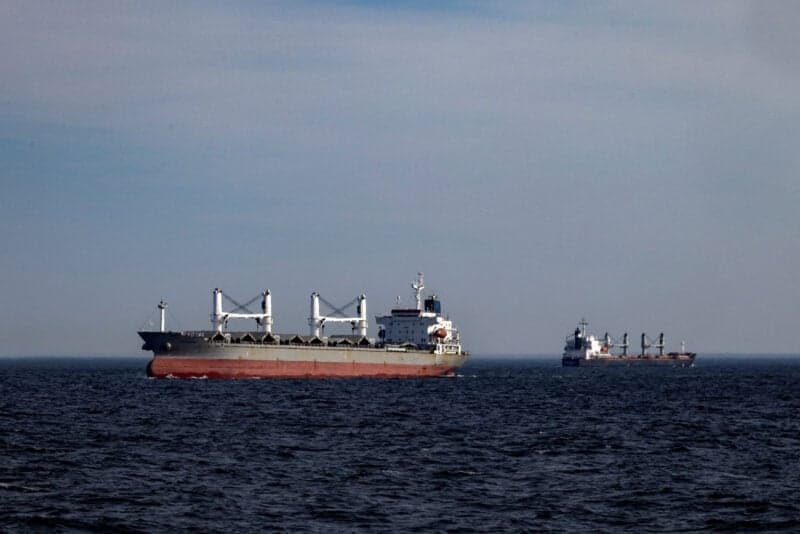
Renewed conflict in the Black Sea region has halted grain shipments, posing a risk to global food supply chains
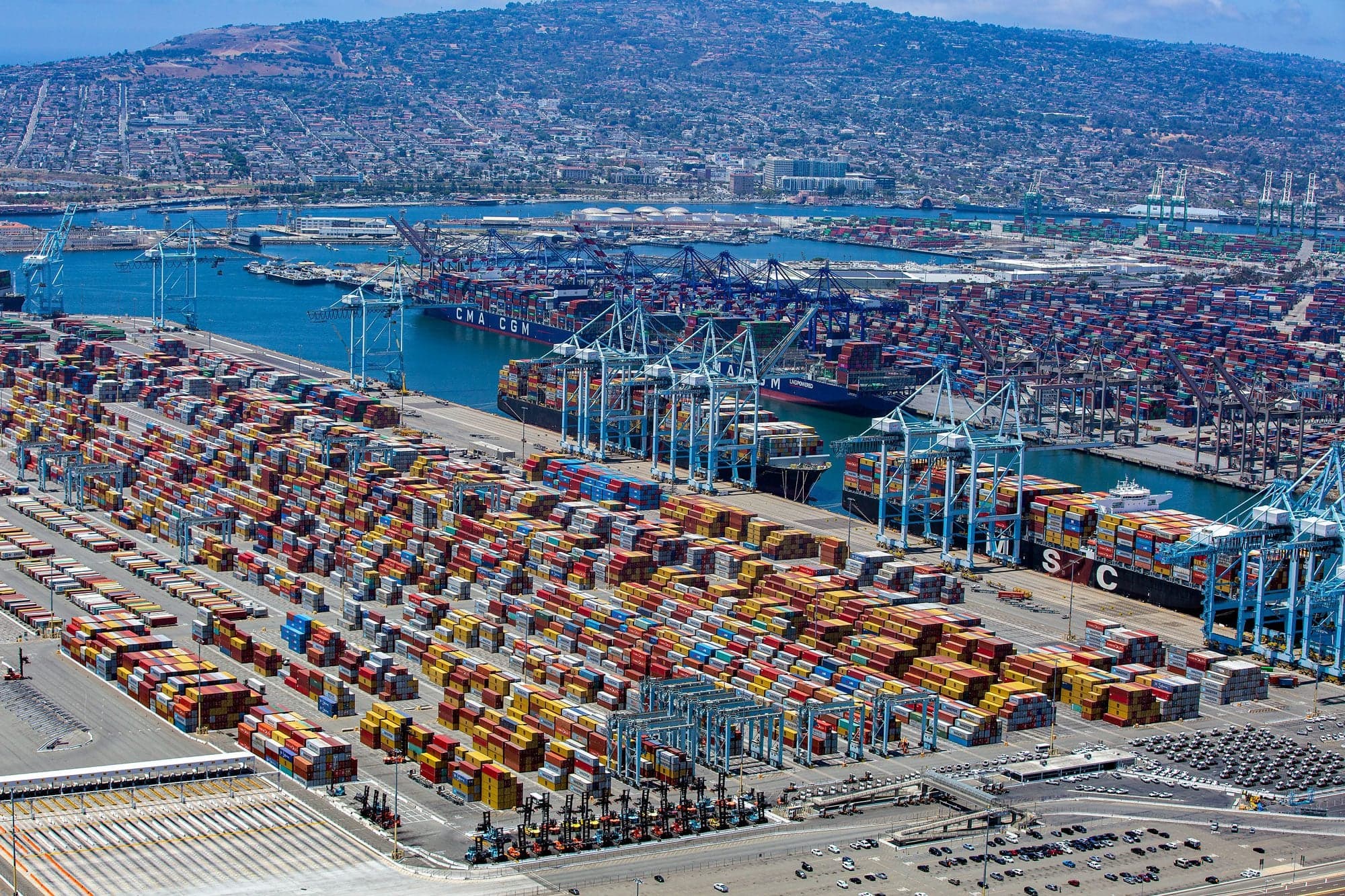
FMC confirms no three-year statute of limitations on detention and demurrage claims from June 2022 onwards.
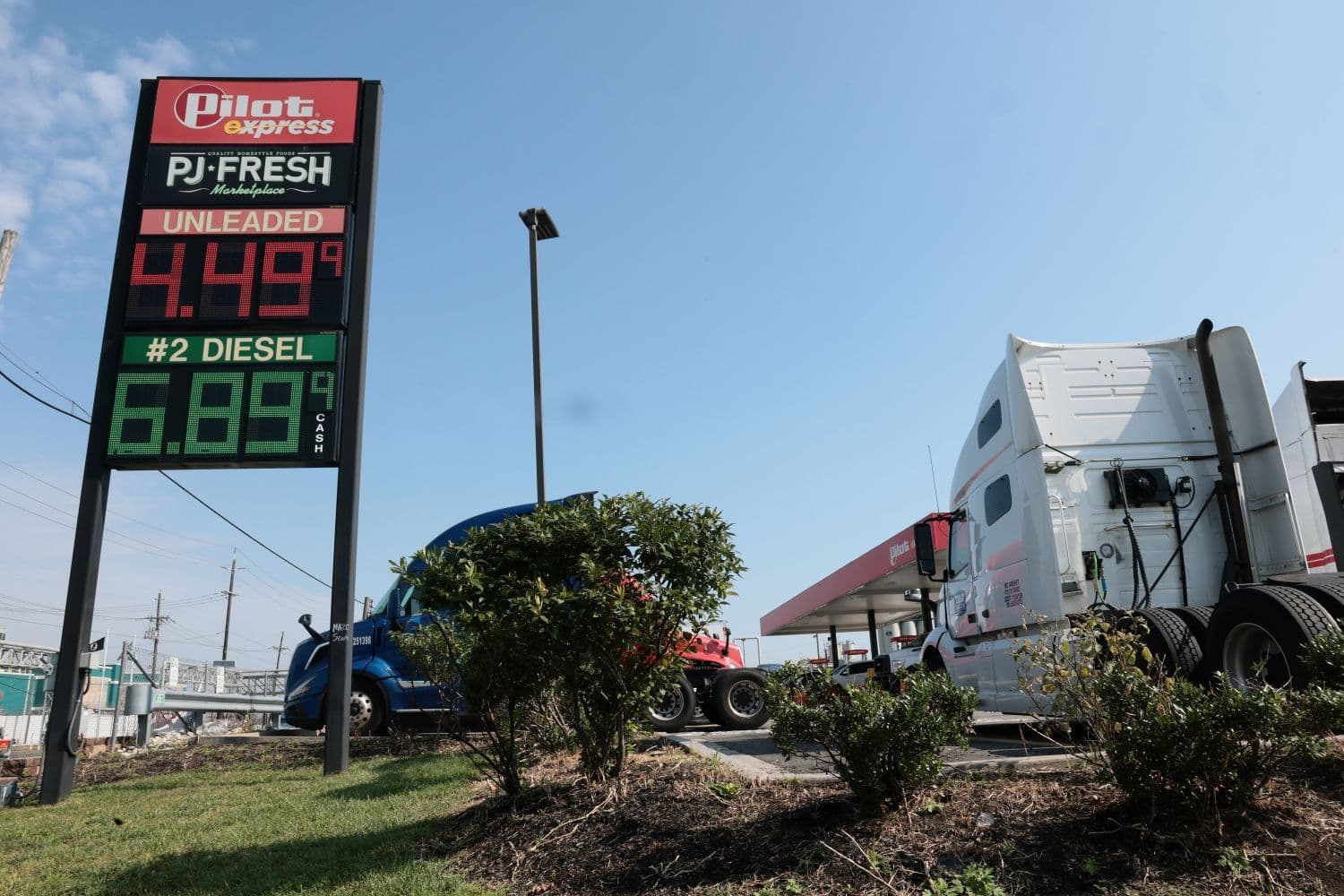
Rising diesel prices are emphasizing the role of fuel surcharges in trucking, allowing carriers to pass costs to customers

Global airfreight rates are strengthening as peak season begins, with Trans-Pacific lanes robust and Asia-Europe rates recovering.
Copper futures extended gains for a sixth session, exceeding $6.70 per pound due to persistent supply concerns
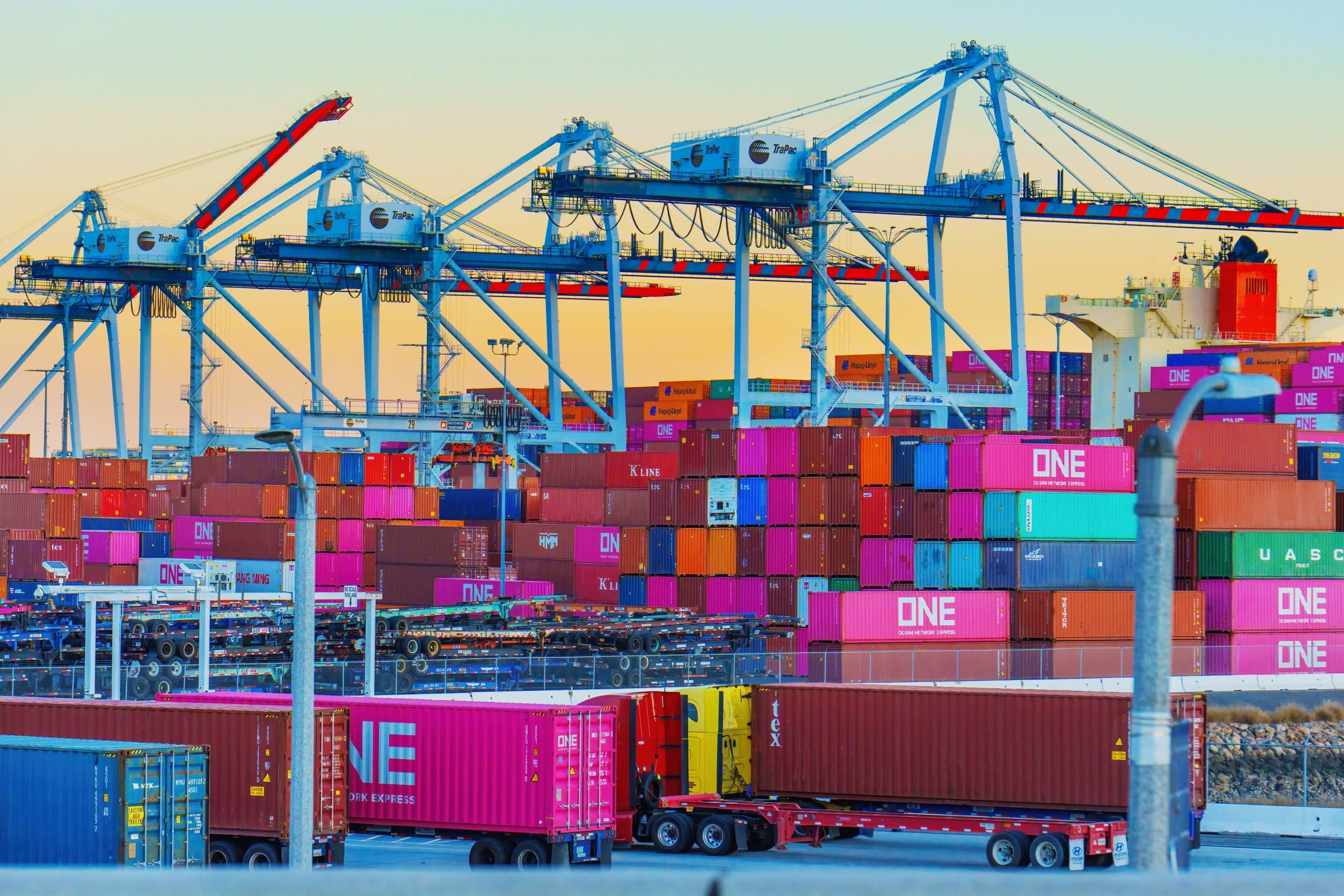
US major container ports are set to record their highest import volumes for the year in September, extending the peak season
The Baltic Dry Index rose to a one-week high, primarily due to an increase in capesize vessel rates.
China's thermal coal imports are set to soften, with shipping impact tied to vessel type and loading region, especially Indonesia
High freight rates from Asia to Latin America are redirecting polypropylene trade flows, favoring US exports.
Container shipping schedule reliability fell to 29% in August, the third consecutive monthly decline and second-worst in 12 months
The Ningbo Containerized Freight Index (NCFI) stood at 2535.3 points for the week ending September 18, 2026
Imported iron ore margins are now profitable due to higher spot prices, despite steady supply and reduced mill demand
Old Dominion Freight Line raises LTL base rates by 4.9% as the market tightens and costs increase.
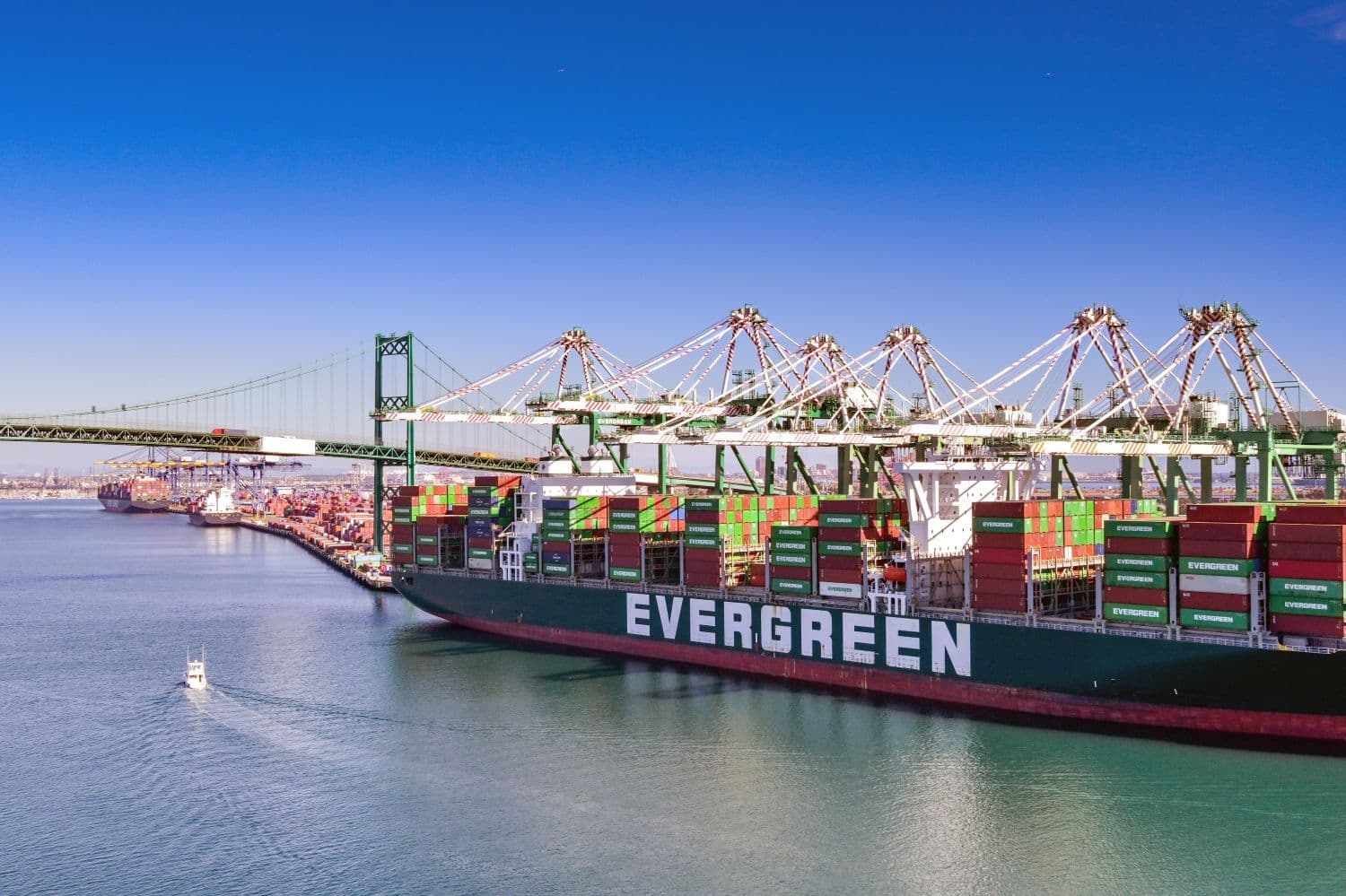
Ocean carriers are initially planning fewer blank sailings for Golden Week, but analysts expect more cancellations soon
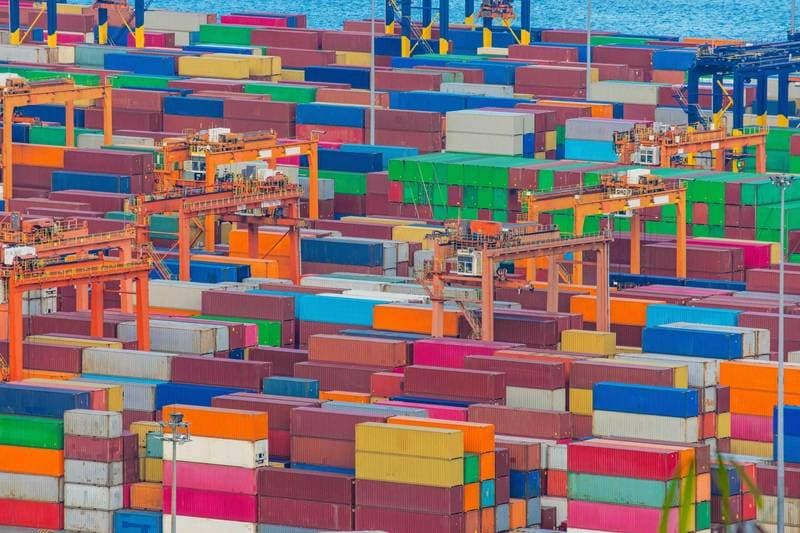
Xeneta's weekly report offers key insights into ocean container shipping, covering freight rates and capacity movements.
The Baltic Dry Index increased by 29 points to 3399, reflecting changes in global dry bulk shipping rates.
Large crude oil tankers are avoiding the Bab al-Mandab Strait due to Houthi military activity, driving up oil shipping rates
LNG and LPG shipping rates are rising, driven by commodity price increases and geopolitical uncertainty in the Middle East.
Goldman Sachs projects a new iron ore price floor of $90-95/tonne due to increased production costs.
Copper futures climbed for a fifth consecutive session, driven by stronger demand and anticipated tighter global supply.
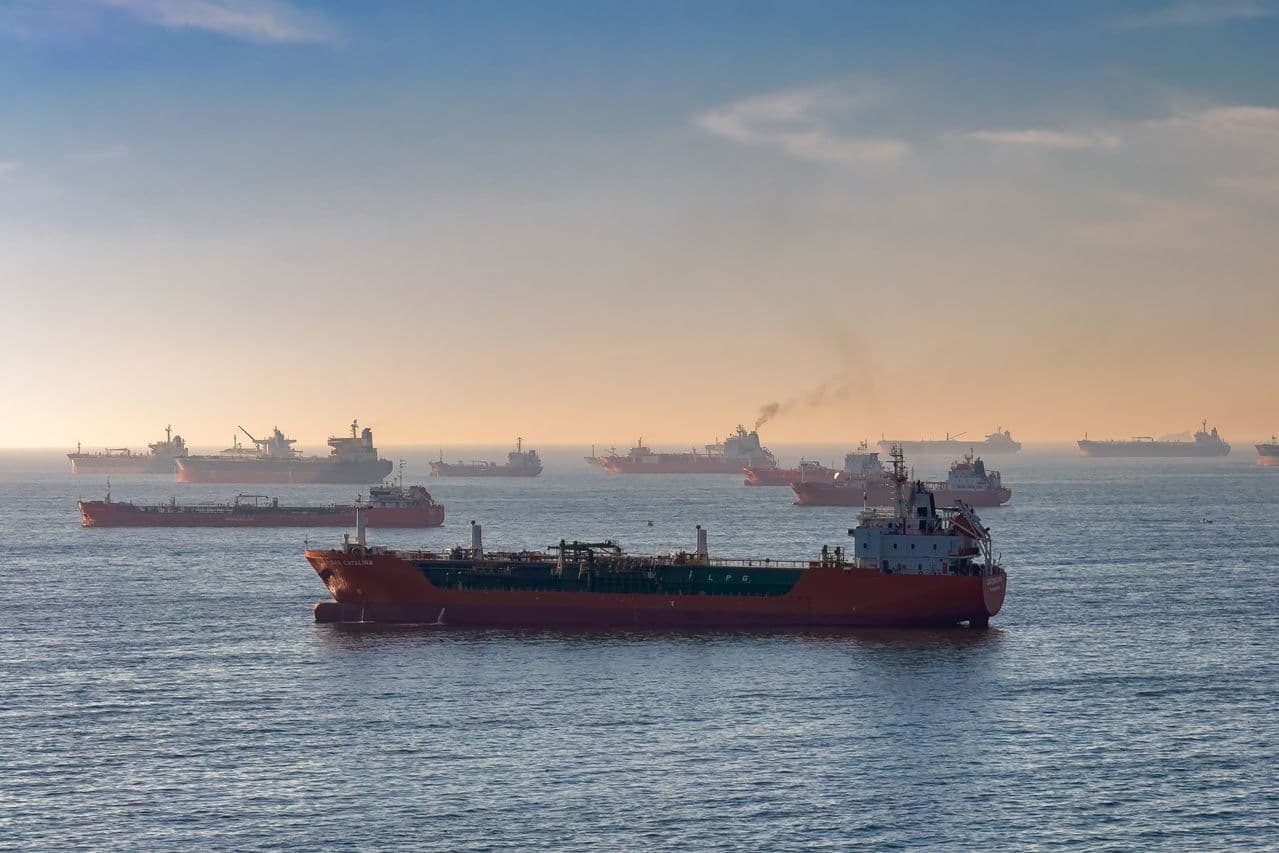
Suezmax tanker rates are surging as the Hormuz crisis disrupts crude flows and tightens vessel supply, forcing new shipping strategies
Container rates to the US are almost at pandemic highs, VLCC earnings exceed $1 million daily, and Iran's blacklist expands
Browse by mode or open the Intelligence Suite for cross-cutting briefs.