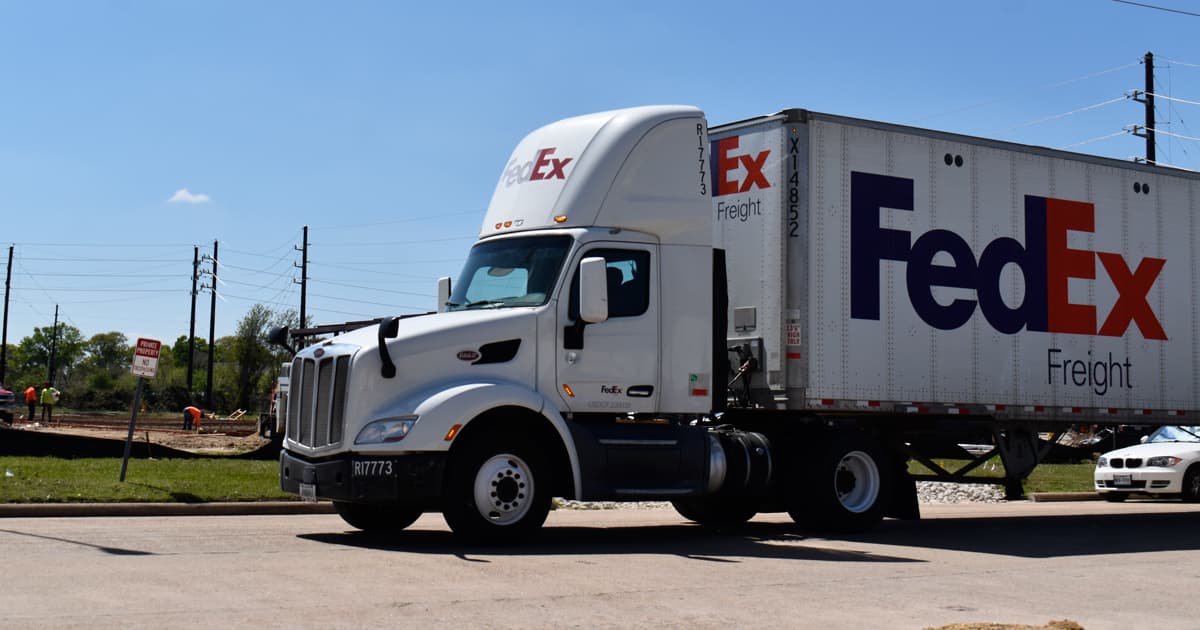
FedEx Freight, recognized as North America's largest less-than-truckload (LTL) provider, has reported a positive impact on its financial performance. The company observed a significant increase in revenue, primarily attributed to heightened demand for backhaul shipments. This trend was particularly noticeable in lanes handling heavier cargo.
The underlying factor contributing to this development is a tightening in the broader truckload market. When truckload capacity becomes constrained, shippers often turn to LTL carriers like FedEx Freight for their overflow, especially for shipments that can fill empty return routes (backhauls). This scenario allows LTL carriers to optimize their networks by carrying more freight on otherwise empty legs, improving asset utilization and profitability.
For freight forwarders and operations managers, this indicates a potentially more challenging environment for securing full truckload capacity, which could lead to higher rates or a greater reliance on LTL services for certain shipments. The increased demand for backhauls also suggests that LTL carriers are finding more opportunities to balance their networks, which could, in some instances, lead to more competitive pricing for specific lanes where backhaul capacity is readily available. However, the overall tightness points to a strong demand environment for road freight services.