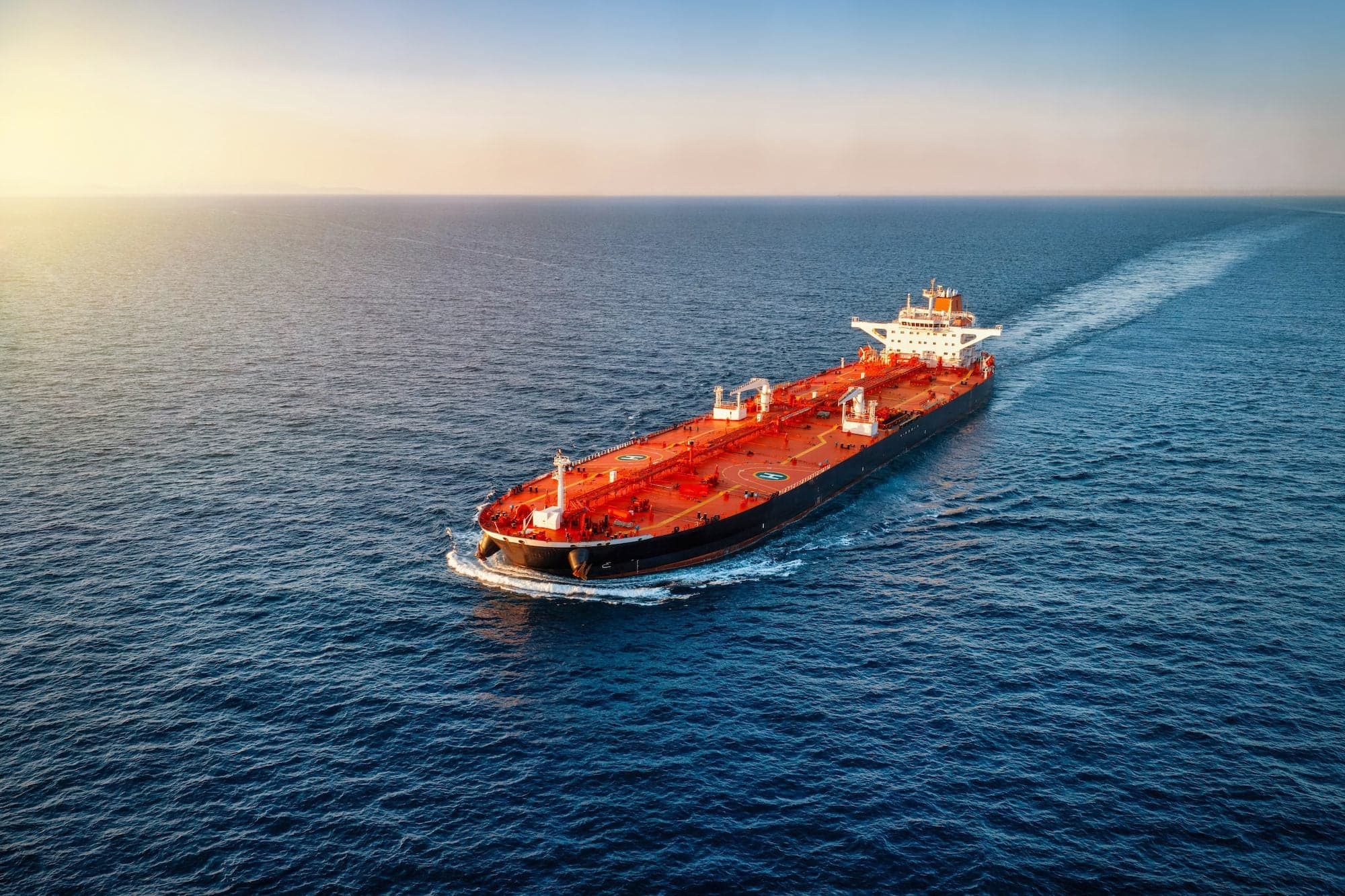
A prominent supertanker operator has reportedly booked a vessel to transport oil from the Persian Gulf to India at a rate almost 900% higher than the established benchmark. This exceptional pricing underscores a critical scarcity of available tankers within the Persian Gulf region, making it challenging for shippers to secure capacity.
This situation has direct implications for freight forwarders and operations managers involved in oil and energy logistics. The drastically increased charter rates will inevitably translate into higher transportation costs for crude oil, potentially affecting the landed cost of oil in importing nations like India. Forwarders should anticipate significant rate volatility and extended lead times when arranging tanker shipments from this area, and may need to explore alternative sourcing or routing options if feasible. The tight capacity could also lead to delays in crude oil deliveries, impacting refinery schedules and supply chain predictability.
While the article does not specify the exact cause of the vessel shortage, such spikes are often linked to geopolitical tensions, increased demand in specific regions, or vessels being diverted to longer routes, thereby reducing overall availability. This incident serves as a clear indicator of the current market dynamics and the premium placed on securing tonnage in a constrained environment.