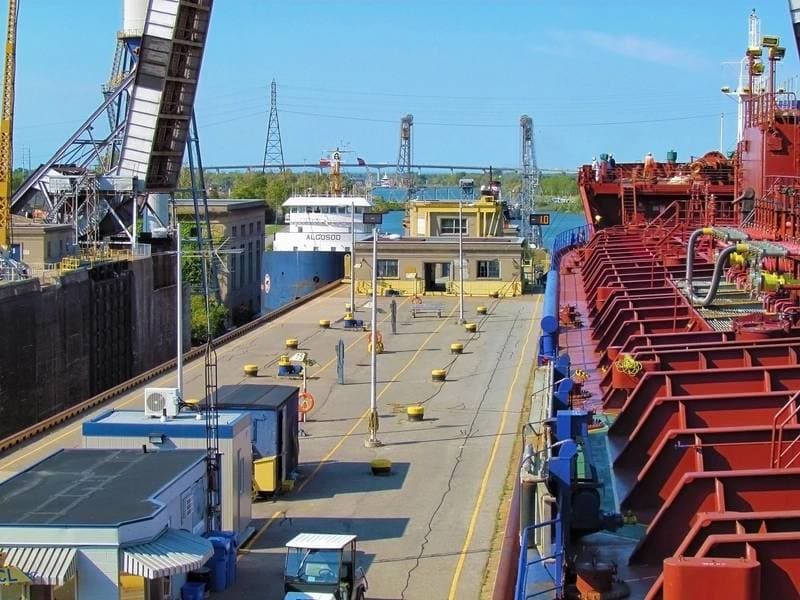
The Canadian government is considering substantial toll increases on the St. Lawrence Seaway, which would directly affect US commerce in the Great Lakes region. This proposal comes at a time when the US administration is prioritizing domestic manufacturing, shipbuilding, and supply chain resilience. Industries in the Great Lakes, including steel, automotive, agriculture, energy, and defense, heavily rely on the Seaway for cost-effective transportation of raw materials and finished goods.
These potential toll hikes are viewed as a direct financial burden on US businesses, potentially making American products less competitive. For freight forwarders and shippers, this could translate into higher operational costs for cargo moving through the Great Lakes. It might also incentivize a shift away from waterborne transport to less efficient and more expensive road or rail options, increasing transit times and environmental impact. The increased costs could ultimately be passed on to consumers or reduce profit margins for manufacturers.
While the article does not explicitly state what actions might be taken next, the implication is that US stakeholders are advocating against these increases to protect regional economic interests.