30d ago·Breakbulk.NewsHIGH
Global Shipping Risk Index Reaches 8.3 Amid Converging Geopolitical Crises
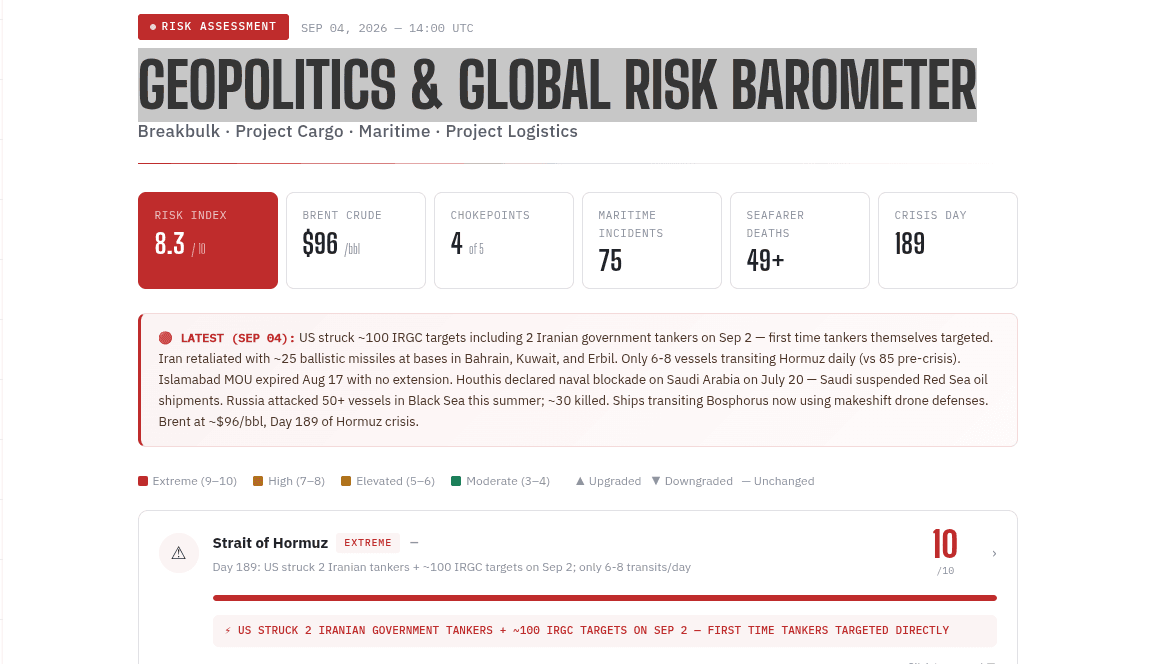
Global shipping risk has risen to 8.3 due to concurrent crises in Hormuz, the Red Sea, and Black Sea, straining alternative routes
Latest coverage tied to this risk region from our curated freight publishers, across the topics that define it.
Global shipping risk has risen to 8.3 due to concurrent crises in Hormuz, the Red Sea, and Black Sea, straining alternative routes
The Suez Canal is experiencing a rise in the size of container vessels transiting, rather than just an increase in total ship numbers
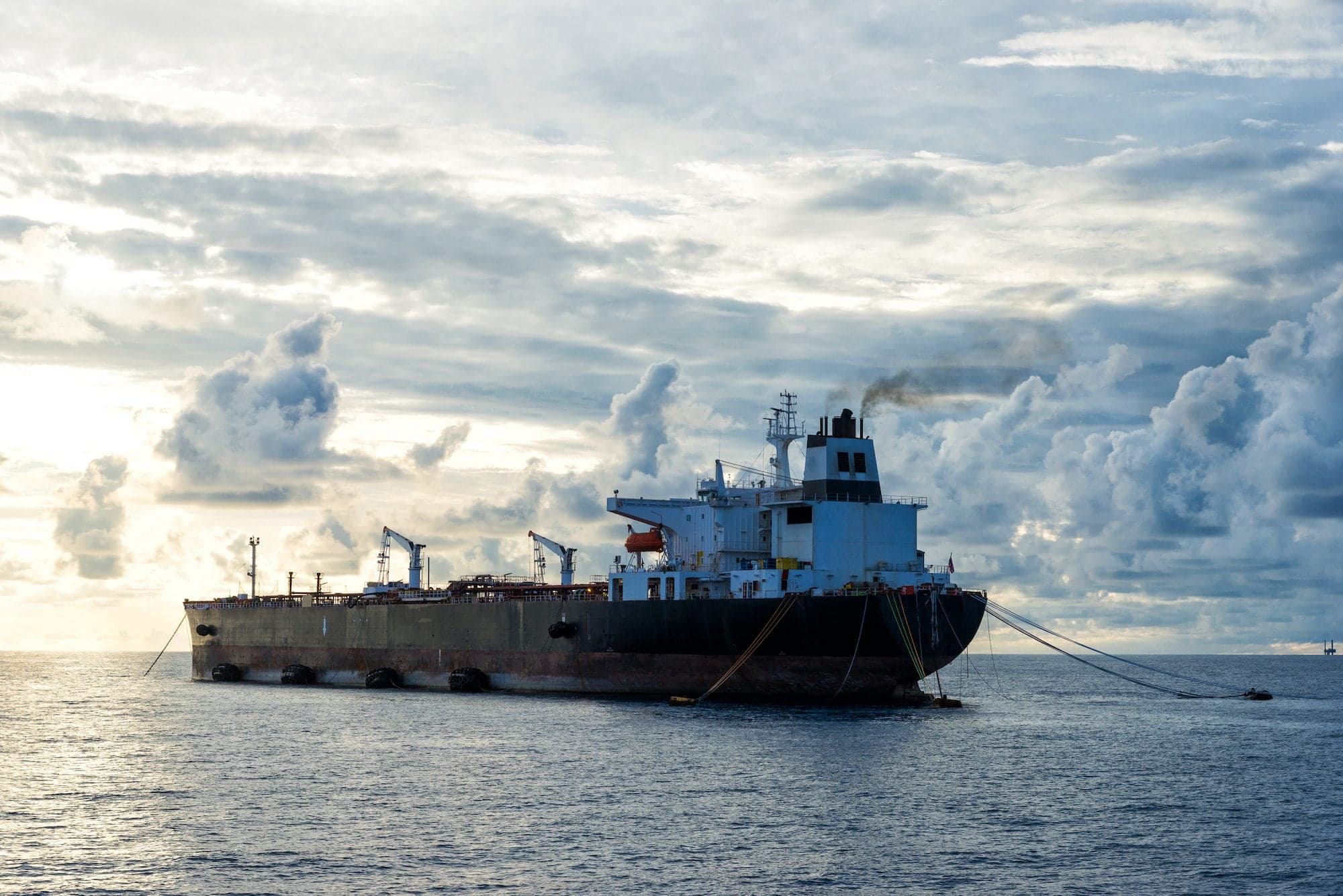
War risk insurance claims have exceeded $2 billion, driven by increased attacks on commercial shipping globally.
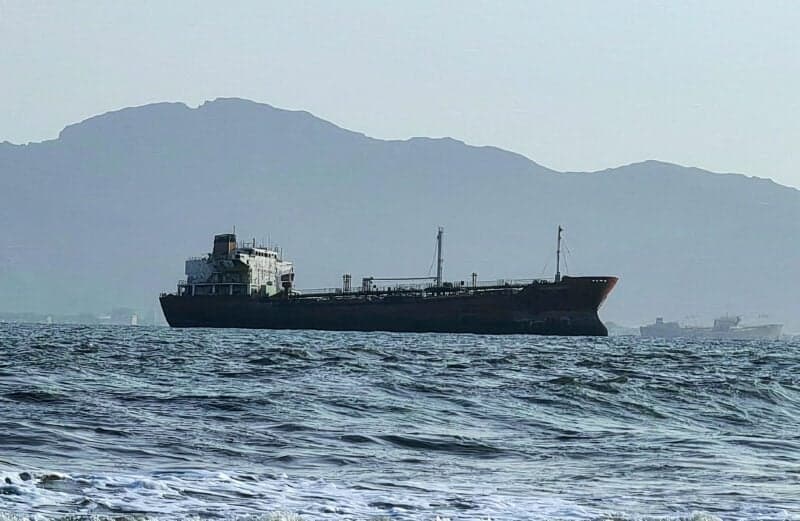
Saudi Arabia's crude oil exports dropped to a nine-year low due to increased Middle East tensions and tanker attacks.
Korean shipyards see a surge in Suezmax tanker inquiries as U.S.-Iran tensions reroute Saudi crude from Hormuz.
Ocean carriers are facing growing pressure to resume Suez Canal transits, with MSC leading recent shifts back to the Red Sea.
Container vessels and carriers are slowly increasing transits through the Bab el-Mandeb Strait, signaling a cautious return to the Red Sea.
Drewry's Intra-Asia Container Index (IACI) saw a 10% increase to $1,199 per 40ft container last week
Pakistan's ports are seeing a four-fold increase in transshipment as Red Sea diversions shift shipping routes.
CMA CGM has deferred the start of its low water surcharge for South American west coast cargo to October 1.
Saudi Arabia is rerouting oil shipments to Asia, utilizing an Egyptian pipeline and the Strait of Hormuz due to Houthi threats.
The UN Secretary-General warned that shipping disruptions in critical maritime choke points are threatening global food supplies
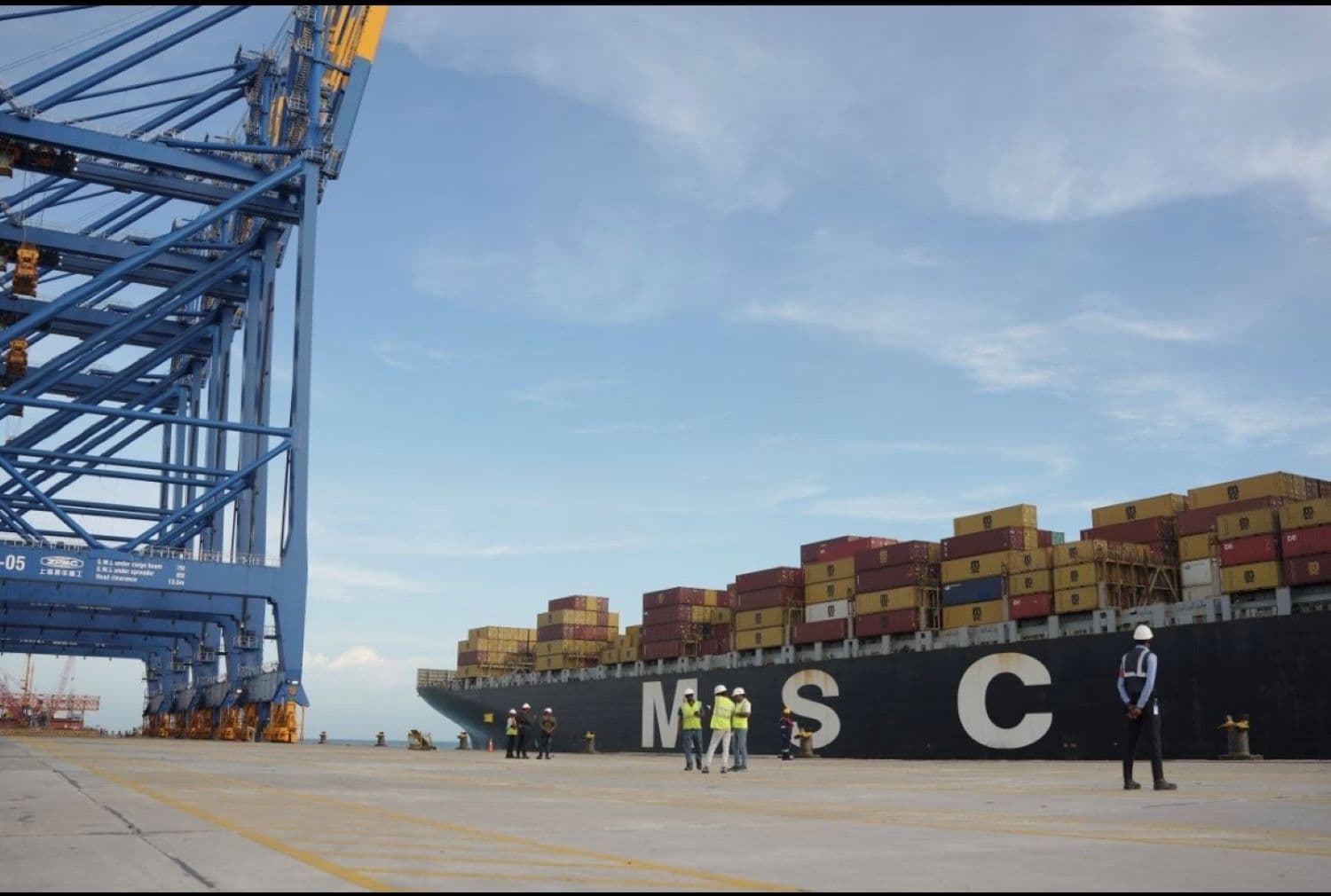
MSC will resume using the Suez Canal for its India-Europe services, following other carriers in a move that could shorten transit times.
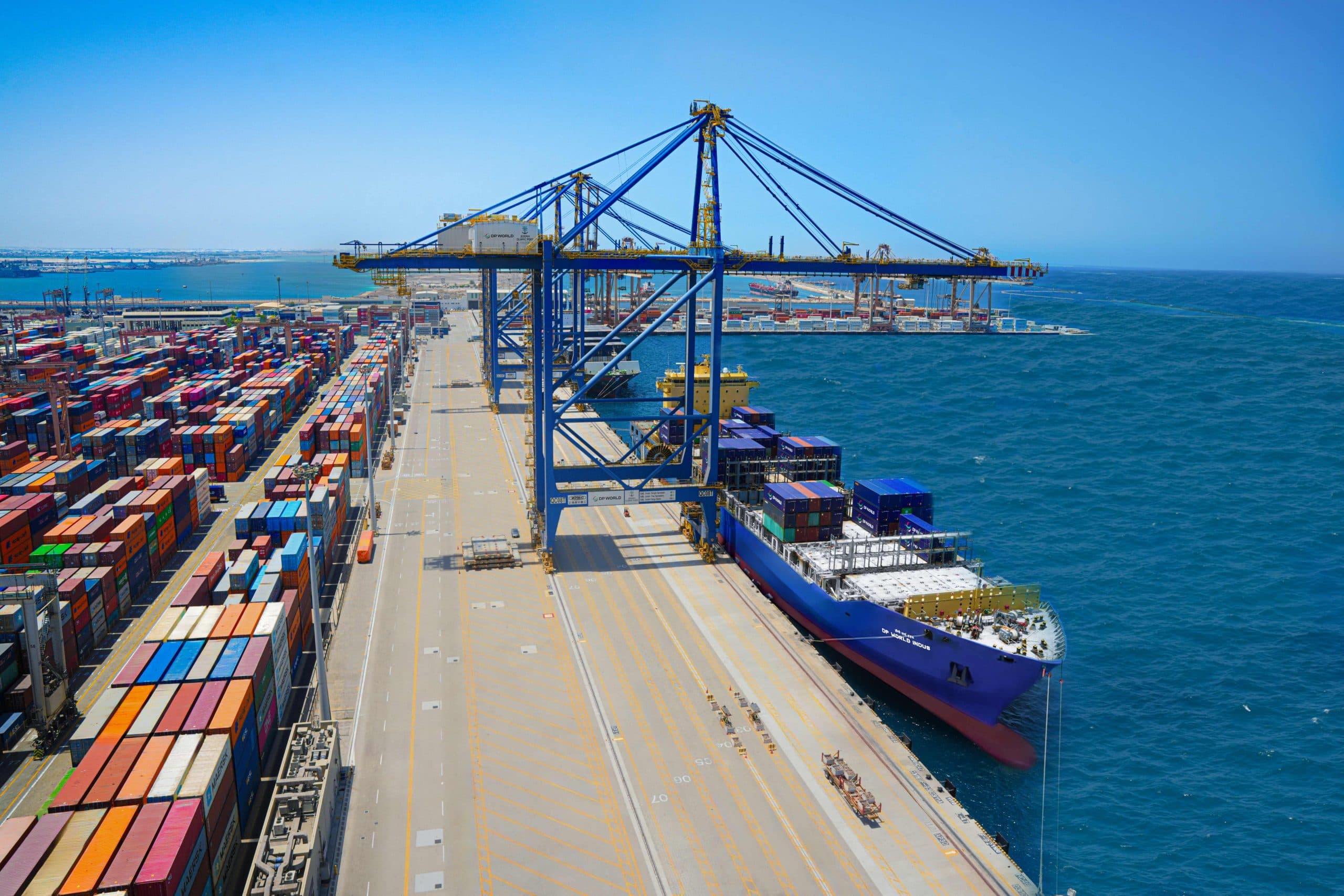
Jeddah Islamic Port's South Container Terminal recorded its best monthly performance in July, surpassing pre-Red Sea crisis volumes
Maersk's 17,480 TEU methanol dual-fuel container vessel, Bangkok Maersk, completed its inaugural Suez Canal transit.
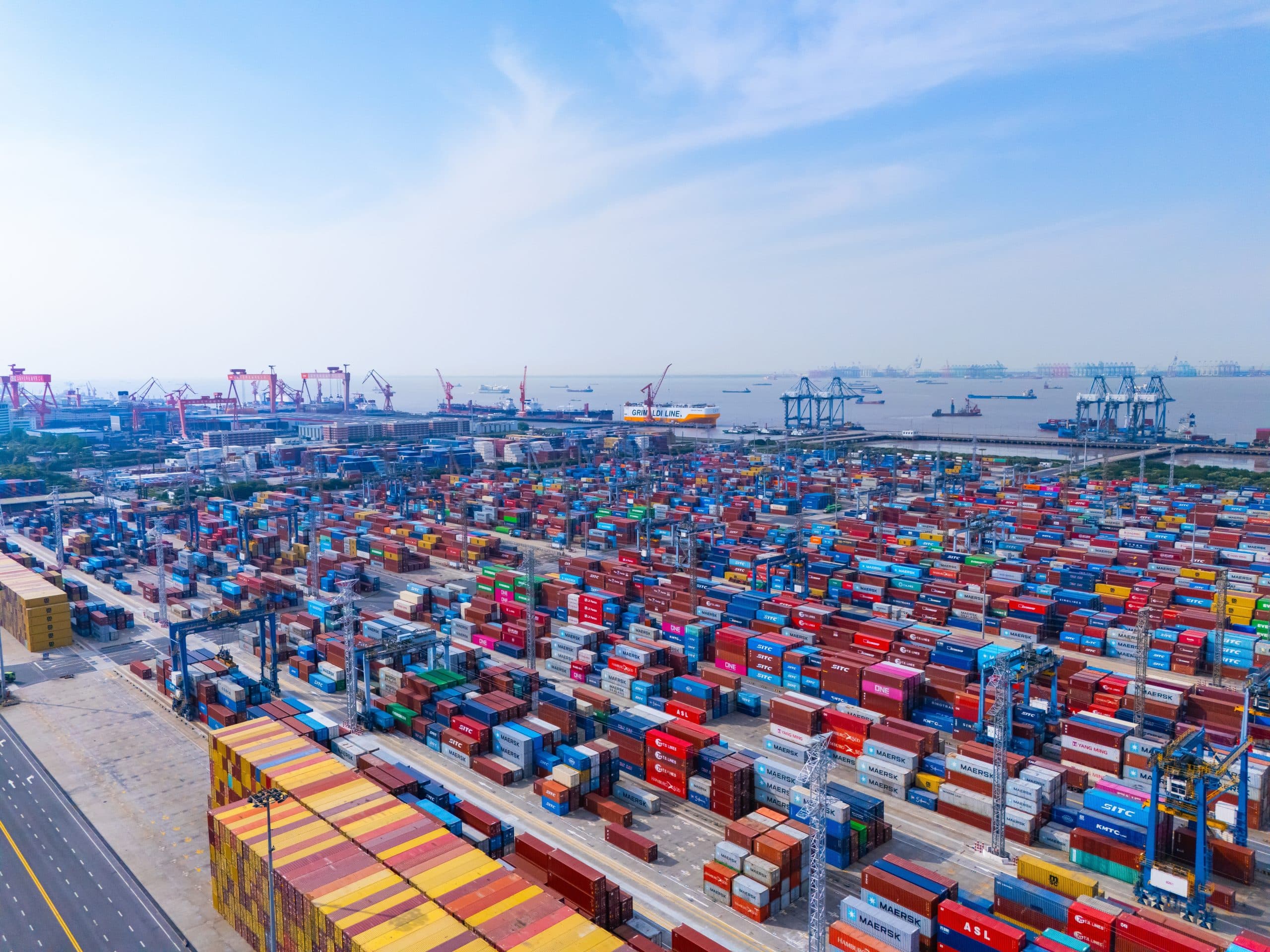
Middle East disruption and new US tariffs have reshaped global container flows, impacting port rankings in H1 2026
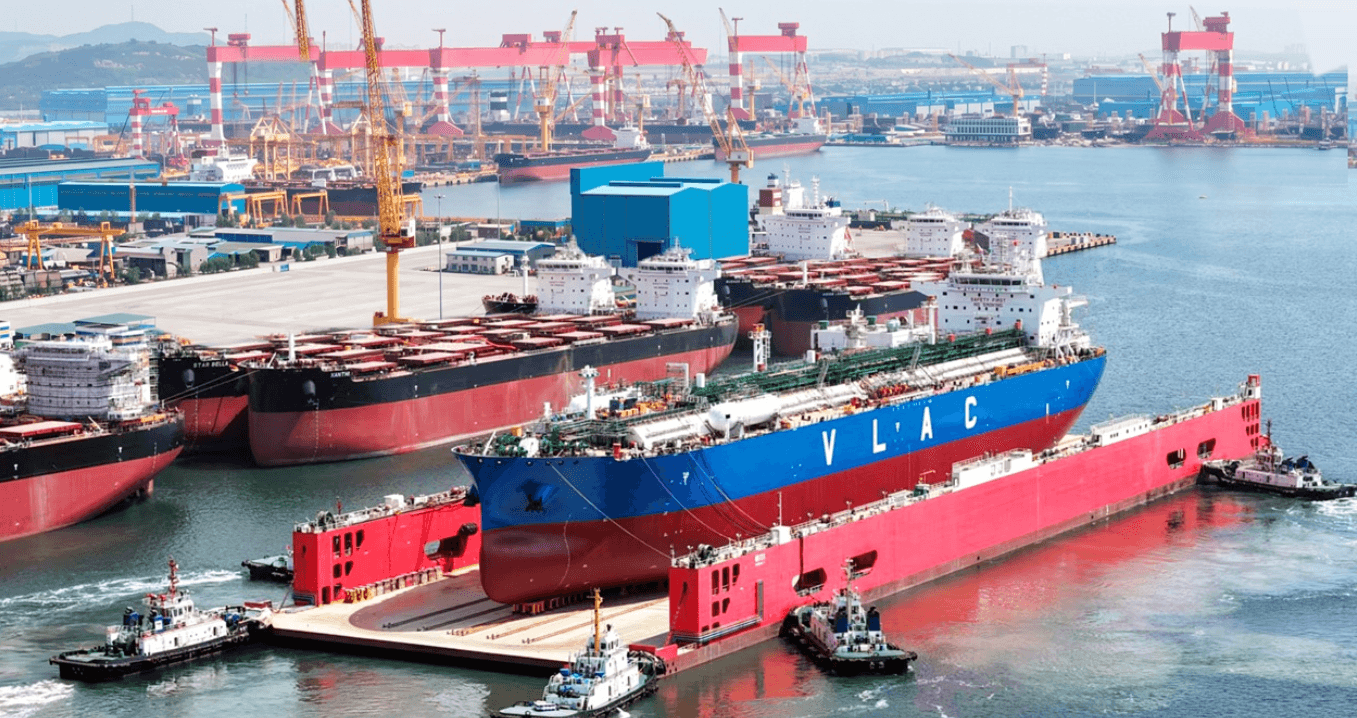
ADNOC Logistics' recent VLCC acquisitions are driving up secondhand tanker prices, reflecting urgent demand for immediate capacity
The Port of Los Angeles anticipates a 5% cargo volume increase as shippers divert freight from disrupted global routes.
The global shipping market in 2026 sees declining demand but persistently high freight rates due to supply chain disruptions.
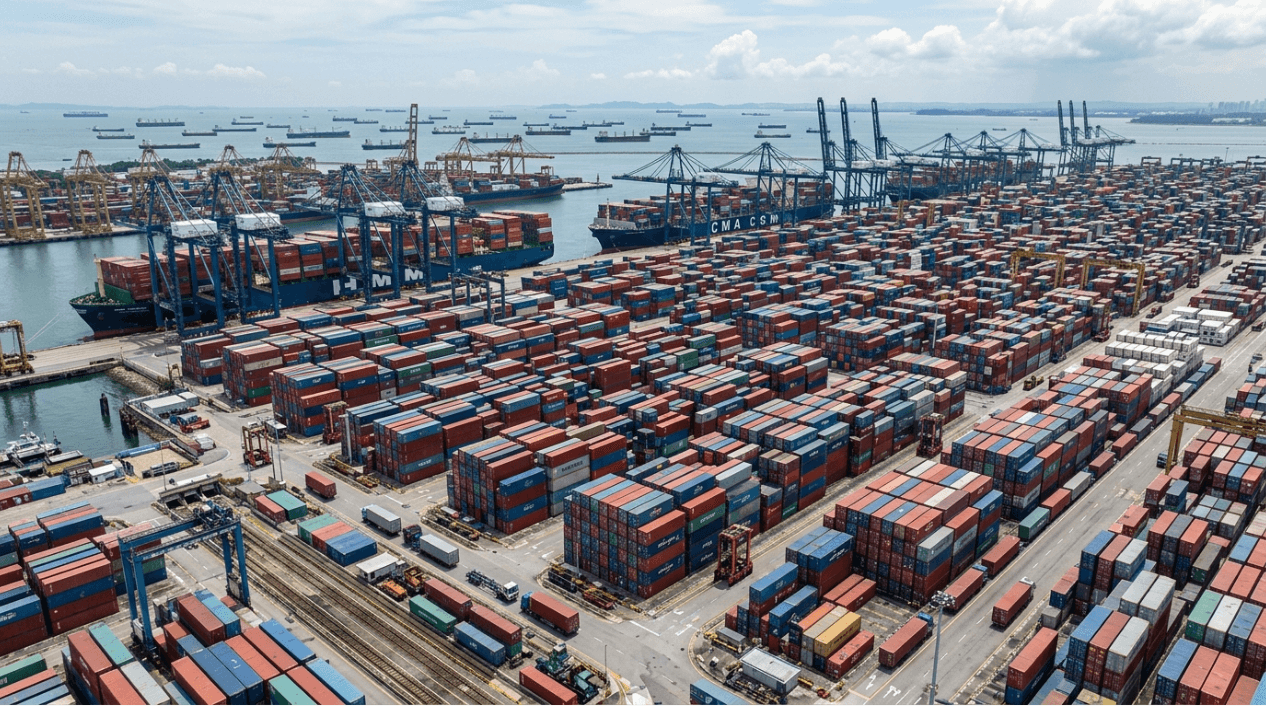
Global port congestion has surpassed COVID-era peaks, with 4.3 million TEU affected by typhoons, Panama Canal restrictions, and Red Sea…
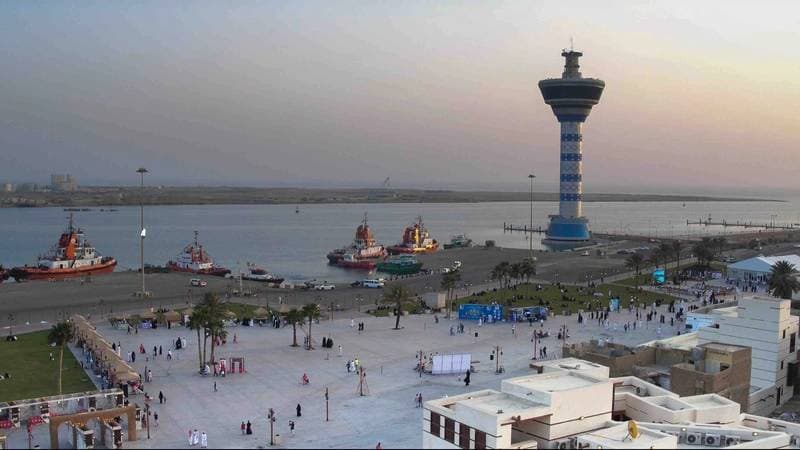
Houthi forces claimed an attack on a vessel near Saudi Arabia's Yanbu port, with Bahri confirming its ship was involved
South Korea will send its first container ship through the Arctic route, driven by Middle East disruptions.
Venezuela's rising oil exports and changing destinations are reshaping tanker demand as Middle East disruption continues
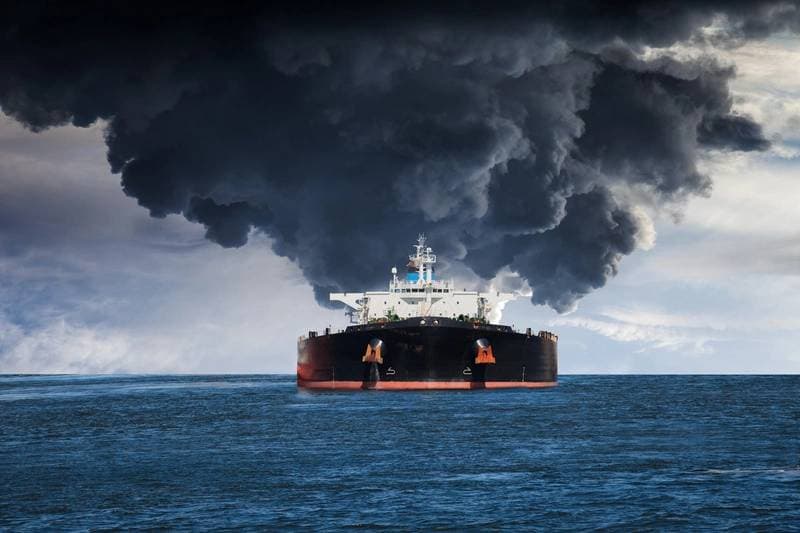
A tanker caught fire off Saudi Arabia's Red Sea coast after being hit by an unknown projectile, with all crew safe
Tanker traffic at Saudi Arabia's Yanbu port has fallen by over a third due to Houthi blockade threats in the Bab al-Mandeb.
Shipping incidents declined in 2025, but geopolitical conflicts and trade route disruptions pose new safety challenges
The Port of Los Angeles expects a 5% cargo volume increase due to Red Sea and Panama Canal disruptions.
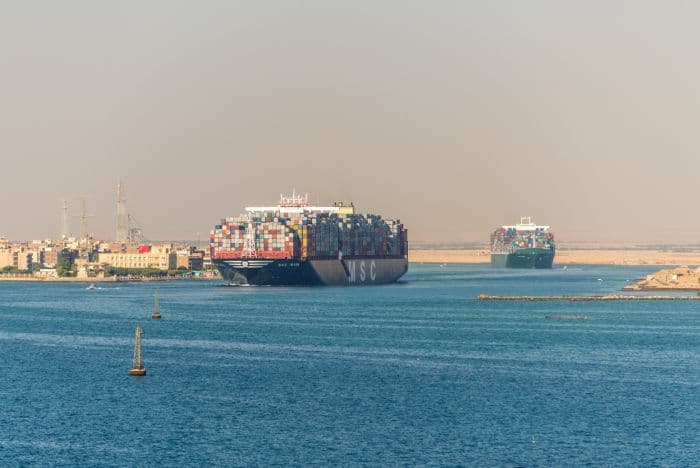
Ocean carriers are quickly boosting Suez Canal capacity, resuming Red Sea transits despite European port congestion worries
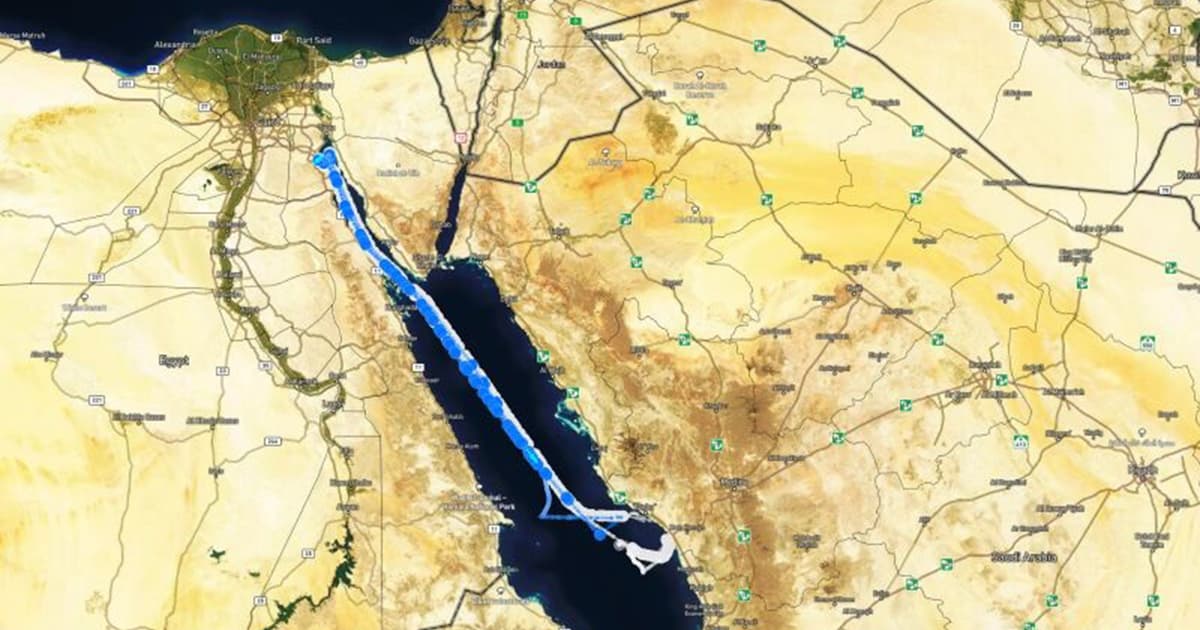
Saudi Arabia is rerouting oil shipments via Sinokor tankers to evade Houthi threats, maintaining global supply.
MSC has restarted some Red Sea transits, while Panama Canal daily slots are further reduced due to drought
Browse by mode or open the Intelligence Suite for cross-cutting briefs.