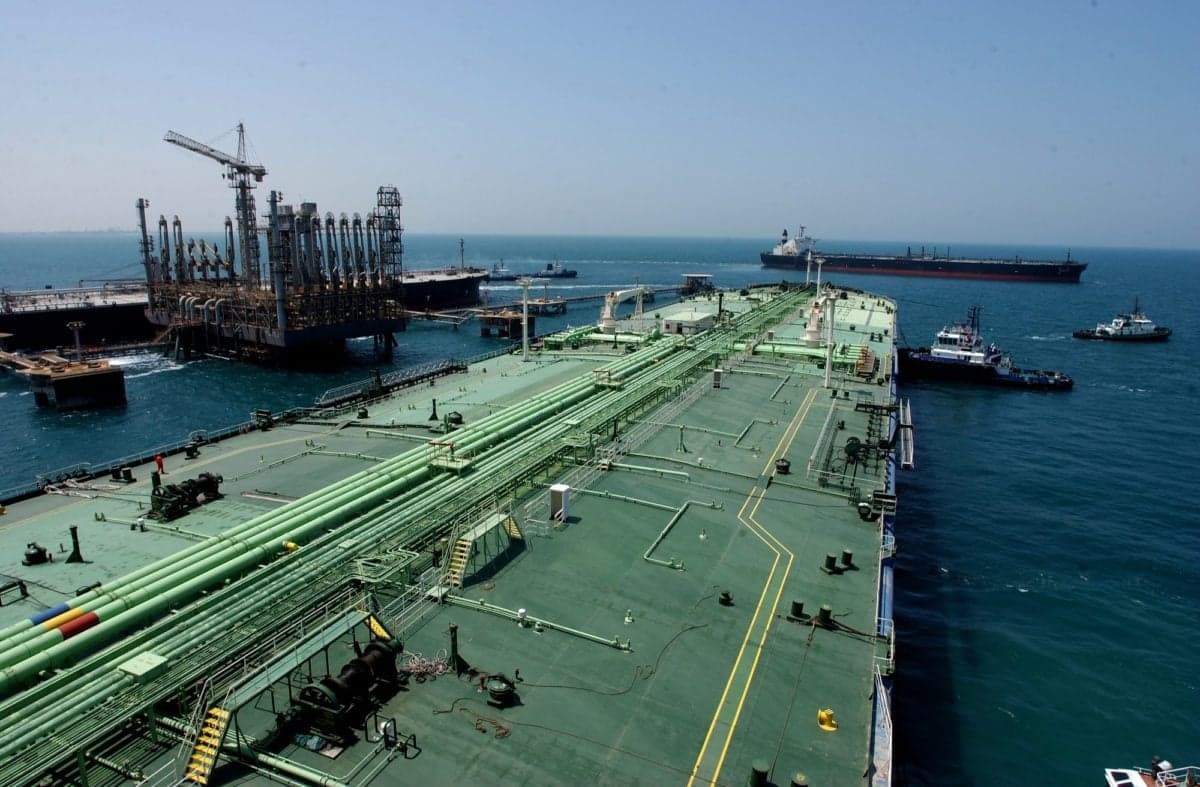
Six Saudi oil tankers have reportedly altered their routes, bypassing the Bab el-Mandeb chokepoint in the Red Sea. Instead, these vessels appear to be undertaking an extended voyage around the African continent, a highly unusual deviation from standard shipping lanes. This significant rerouting is a direct consequence of persistent threats posed by Houthi rebels, which have escalated security concerns for maritime traffic in the Red Sea.
For freight forwarders and operations managers, this development signals continued instability in a vital global trade artery. The decision by Saudi Arabia to reroute its oil tankers underscores the severe risk perception in the Red Sea. Such diversions lead to considerably longer transit times, increased fuel consumption, and higher operational costs, which will likely translate into elevated freight rates and potentially impact vessel availability on other routes. Shippers should anticipate further supply chain disruptions and factor in extended lead times for cargo moving through or near this region.
This situation highlights the ongoing challenges in maintaining predictable and cost-effective shipping schedules through the Red Sea and Suez Canal. The extended voyages around Africa could strain vessel capacity and increase demand for bunker fuels, potentially influencing global shipping dynamics.