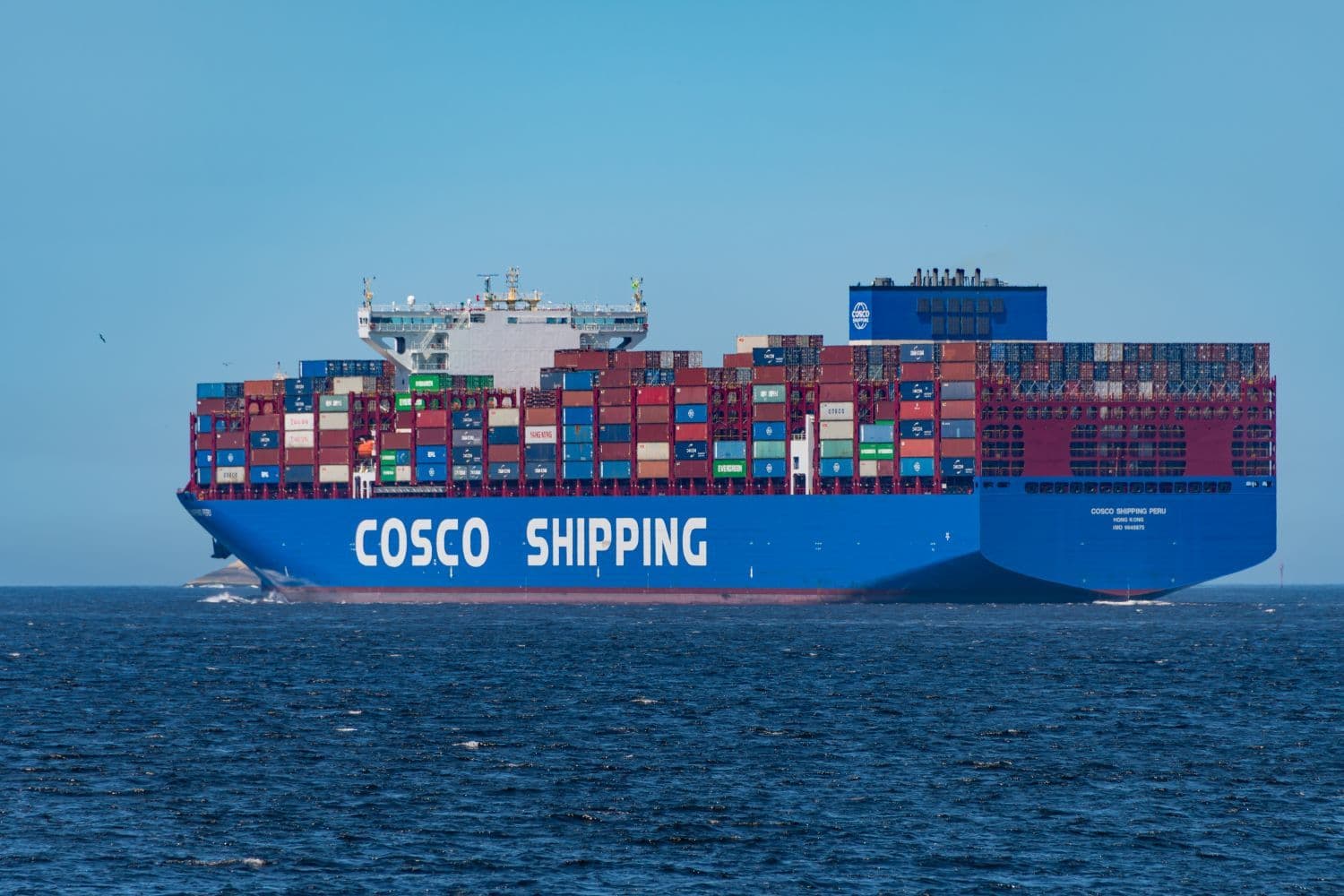
The past week's top maritime news stories focused on three significant developments. Firstly, persistent security concerns in the Red Sea continue to impact global shipping routes and operations. Secondly, Chinese shipyards have reported a record number of new vessel orders, indicating a robust demand for fleet expansion and renewal. Lastly, Sealead Shipping has ceased operations, marking a notable event in the carrier sector.
For freight forwarders and operations managers, the Red Sea situation remains a critical factor influencing transit times, routing decisions, and insurance premiums. Continued threats necessitate re-routing vessels, leading to longer voyages and increased fuel consumption, which can translate into higher freight costs for shippers. The record newbuild orders in China suggest a future increase in vessel capacity, which could potentially ease supply constraints and influence long-term freight rates, though the immediate impact is minimal. The collapse of a shipping line like Sealead Shipping, while not a major global player, underscores the financial pressures within the industry and the importance of carrier due diligence for forwarders to avoid potential disruptions to cargo movements.