44d ago·Seatrade MaritimeHIGH
MSC Restarts Red Sea Transits as Panama Canal Limits Continue
MSC has restarted some Red Sea transits, while Panama Canal daily slots are further reduced due to drought
Latest coverage tied to this risk region from our curated freight publishers, across the topics that define it.
MSC has restarted some Red Sea transits, while Panama Canal daily slots are further reduced due to drought
Global shipping is shifting from pure efficiency to resilience due to geopolitical chokepoint disruptions like the Red Sea.

A cargo ship has been declared a total loss after being hit by projectiles off Yemen, marking another attack in the Red Sea

Middle East conflicts are causing significant disruptions to global shipping, leading to extended transit times and increased costs
MSC and Maersk are increasing Red Sea transits, indicating a potential return to the Suez Canal for major shipping lines.
Ship transits through the Strait of Hormuz dropped to a record low of one vessel on August 16, down from eight previously
Filipino seafarers face growing risks from attacks on commercial ships in the Middle East and Black Sea regions
Maritime news covers Asian typhoons, Red Sea container line returns, Strait of Hormuz closure impact, and Jones Act waivers
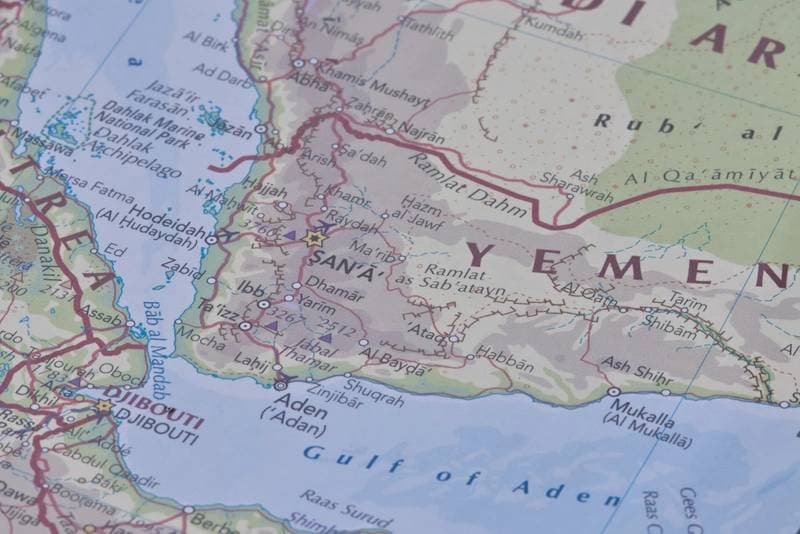
Mocha port in Yemen has suspended all operations after being hit by more than 25 Houthi missile attacks.
Middle Eastern maritime disruptions are causing unprecedented congestion in global trade arteries, especially the Panama Canal
Xeneta's market update reveals the Middle East conflict's expanding impact on long-term ocean freight contracts and capacity.
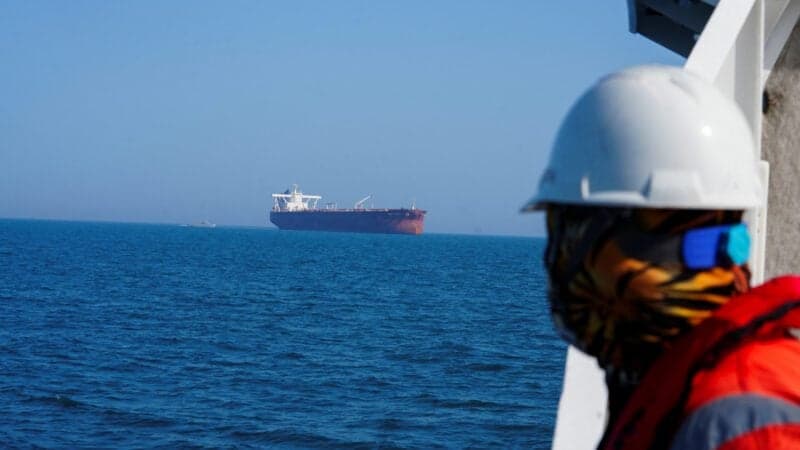
Trade data shows no significant changes in shipping traffic through the Strait of Hormuz and Bab el-Mandeb.
India has reinstated its cabotage waiver for foreign carriers, aiming to boost transshipment and policy stability.
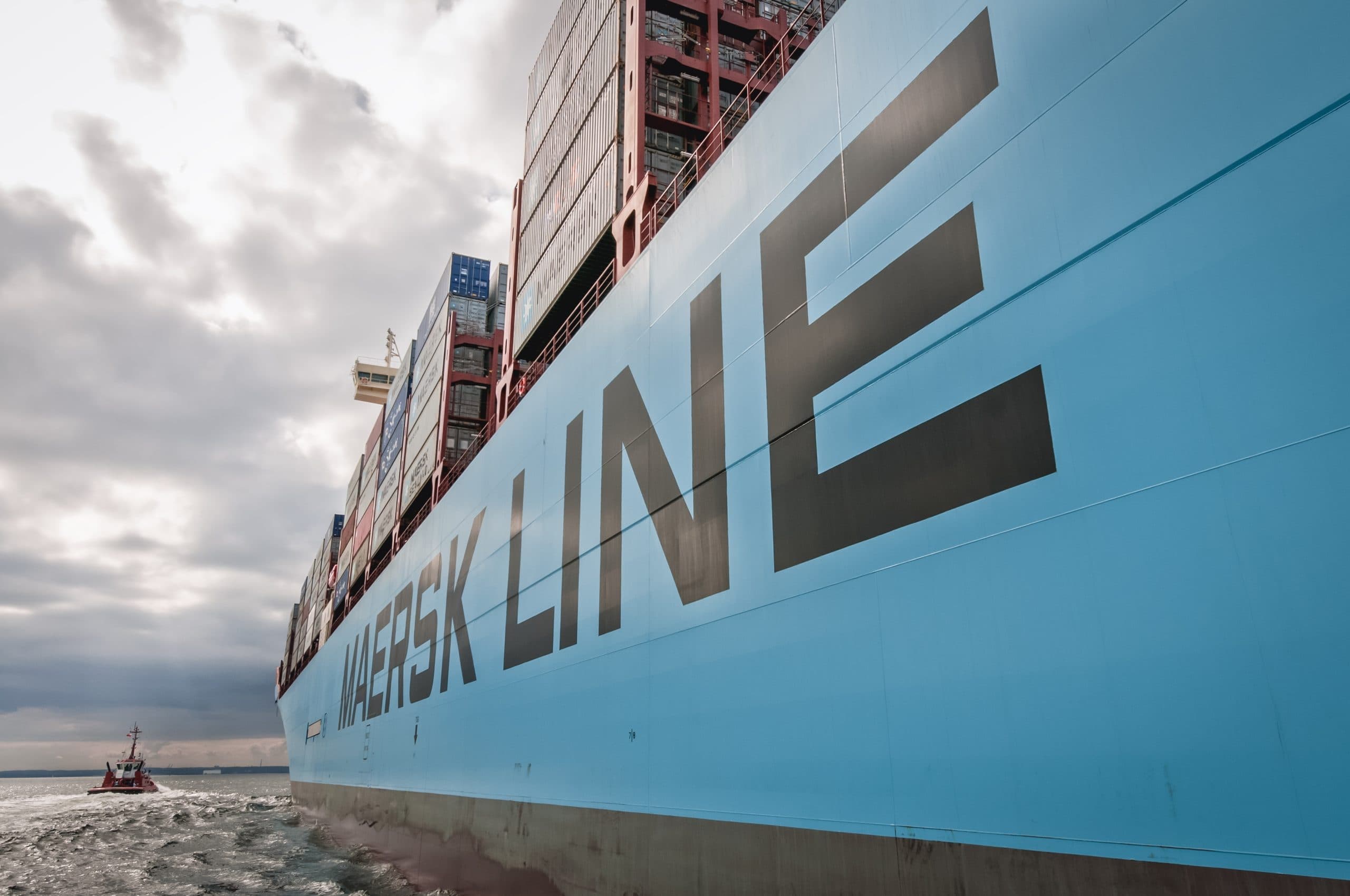
Maersk aims to fully restore container services via the Suez Canal and Bab el-Mandeb due to better Red Sea security.
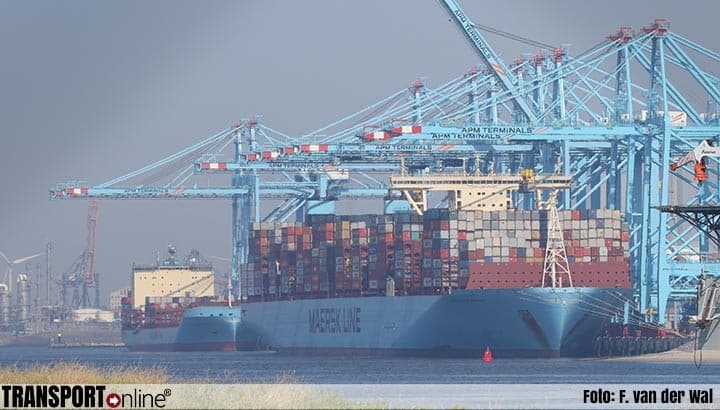
Maersk has again raised its full-year profit forecast, driven by strong Q2 demand and higher freight rates.
Regional conflicts in key maritime chokepoints are significantly impacting risk for shipowners and charterers, requiring charterparty…
Houthi militants have reportedly targeted Saudi Arabian energy facilities and troops, escalating regional tensions and threatening crude…

Saudi crude exports from the Red Sea are increasingly untraceable as tankers disable tracking signals to evade Houthi attacks
Container capacity from East Asia to the Indian Subcontinent has fallen by 14% amid Red Sea and Strait of Hormuz disruptions
The IMO urges shipping to enhance Red Sea risk assessments after a fatal Houthi attack on the Tihamah vessel.
A cargo ship, TIHAMAH, was hit by a projectile off Yemen, causing several seafarer fatalities, prompting IMO condemnation
Oil prices rose, nearing a two-week high, due to Strait of Hormuz closure and continued Houthi attacks in the Red Sea.
Container carriers are exploring the Northern Sea Route as an alternative to the Red Sea for Asia-Europe sailings
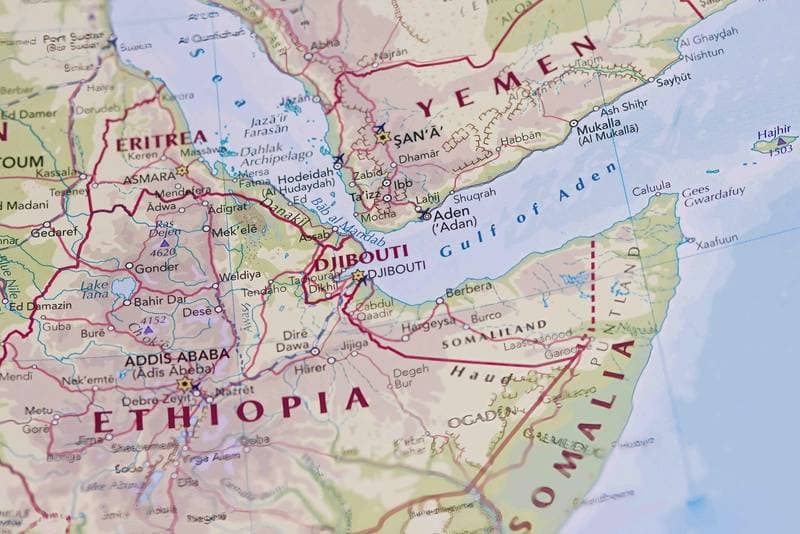
A Houthi-backed attack in the Bab el-Mandeb Strait resulted in four crew fatalities on a cargo ship
A fatal Red Sea attack could reverse the trend of carriers resuming Suez Canal transits via the Bab el-Mandeb Strait
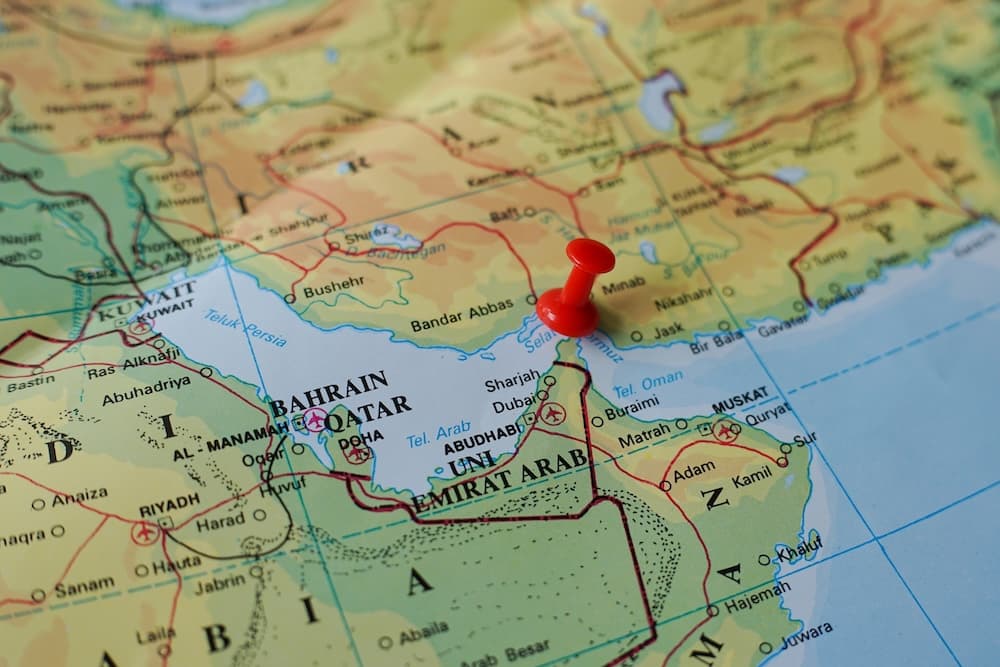
Ocean freight rates on Asia-Europe routes are declining from their July peak, contrasting with rising Transpacific rates.
Typhoons have caused significant delays at Chinese terminals, leading to capacity shortages on Asia-Europe trade lanes.
Oil-producing nations are acquiring their own tankers to navigate frequent disruptions in Middle Eastern shipping lanes.
Drewry's Intra-Asia Container Index increased by 1% to $970 per 40ft container, ending a six-week decline.
Global merchandise trade in Q1 2026 surpassed forecasts, largely due to robust demand for AI technologies.
Browse by mode or open the Intelligence Suite for cross-cutting briefs.