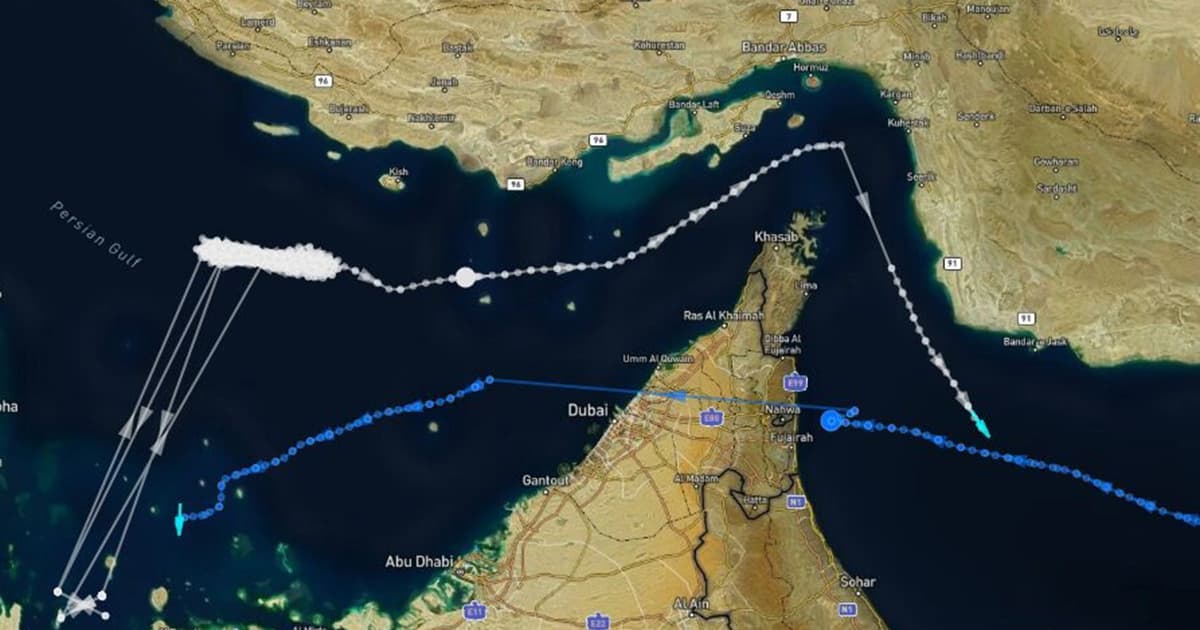
Recent observations indicate a notable increase in maritime traffic through the Strait of Hormuz and the Bab el-Mandeb strait in the Red Sea. This trend suggests that shipowners and traders are actively adjusting their operations to navigate the complex and shifting security environment in these vital waterways. The sustained or increased activity implies a degree of resilience in global trade, even in the face of ongoing geopolitical hostilities.
For freight forwarders and operations managers, this development signals that key trade routes remain active, though under heightened scrutiny. While the immediate impact on rates or capacity is not explicitly stated, the continued flow of traffic suggests that carriers are finding ways to manage risks, potentially through rerouting, increased security measures, or adjusted insurance premiums. Forwarders should remain vigilant regarding any changes in war risk surcharges or operational advisories for these regions, as the situation can evolve rapidly. The ability of vessels to continue transiting these areas, even with elevated tensions, underscores the critical importance of these choke points for global supply chains.