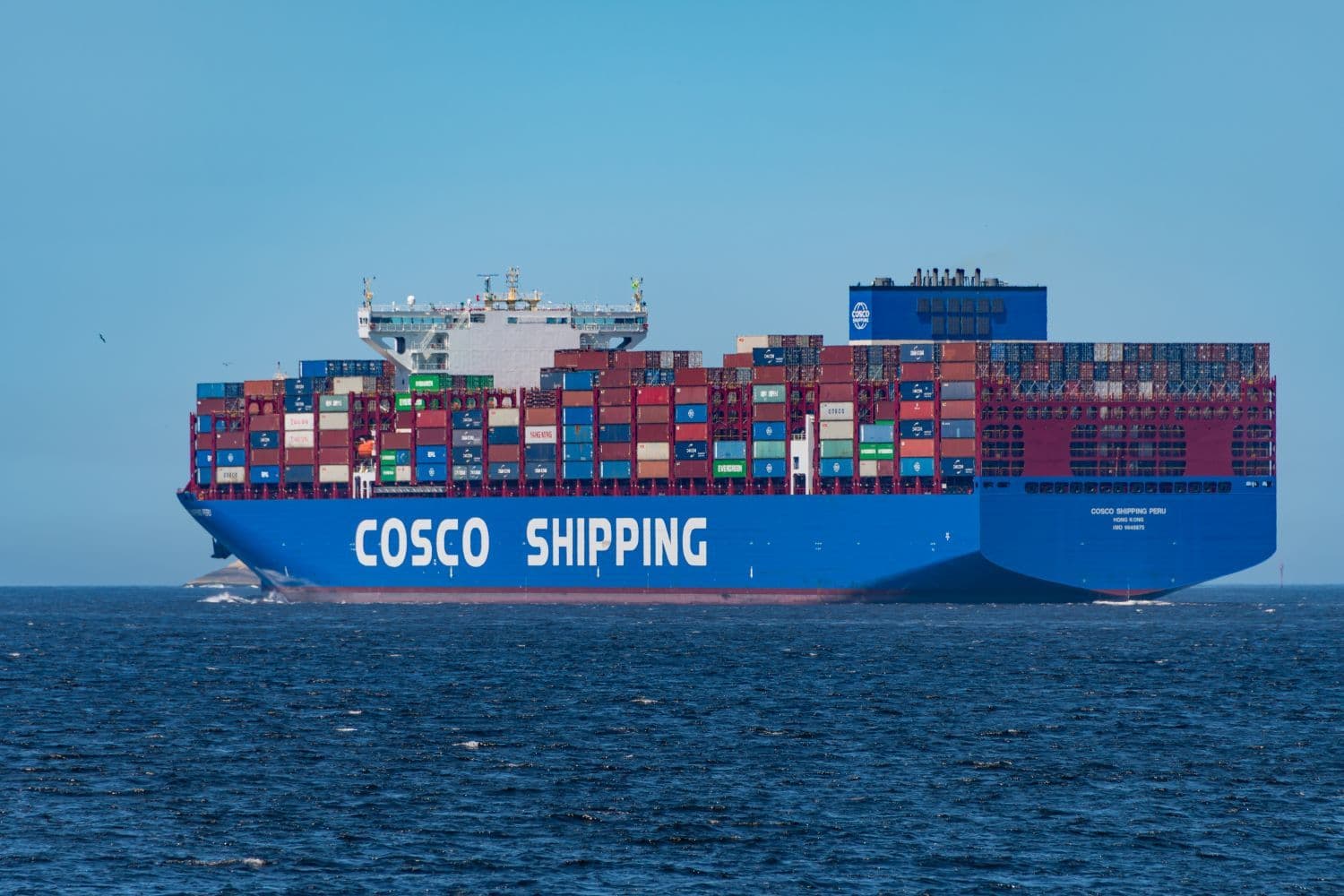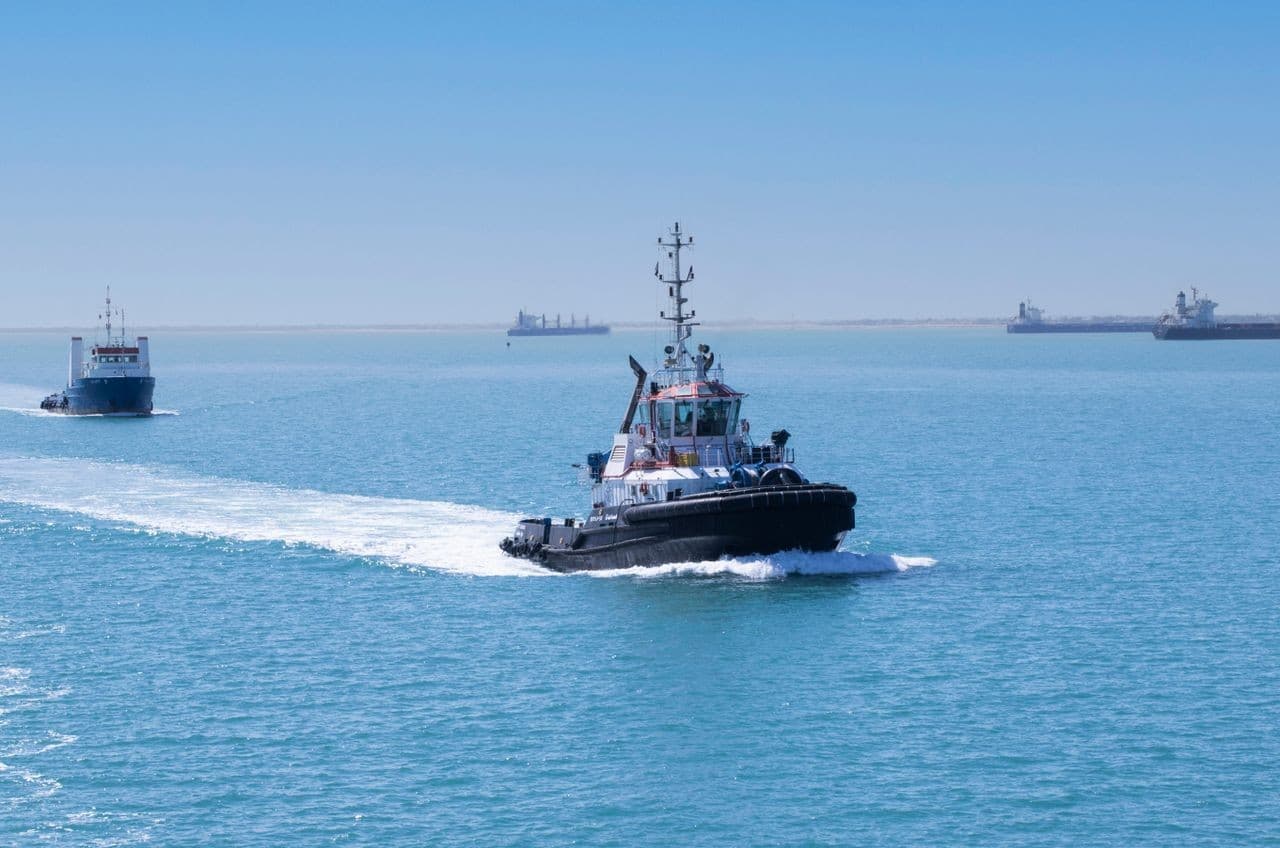
Revenues generated by the Suez Canal have fallen considerably, a direct consequence of the escalating shipping crisis in the Red Sea. This disruption is largely attributed to threats posed by Houthi militants, which have forced many vessels to reroute away from the critical waterway. The economic impact is significant for Egypt, which relies heavily on canal tolls for national income, placing the country in a precarious position as it navigates both financial pressures and international diplomatic relations.
For freight forwarders and operations managers, the continued instability in the Red Sea and the resulting decline in Suez Canal traffic mean longer transit times and increased operational costs. Vessels diverting around the Cape of Good Hope add weeks to voyages between Asia and Europe, impacting delivery schedules and inventory management. This situation also contributes to higher bunker fuel consumption and potentially elevated war risk insurance premiums, which are ultimately passed on to shippers. Forwarders must continue to factor in these extended lead times and potential cost increases when planning routes and quoting rates for clients, particularly for time-sensitive or high-value cargo.