35d ago·Hellenic Shipping NewsHIGH
Oil Prices Rise After US Strikes on Iranian Launchers in Persian Gulf
Oil prices rose above US$90 per barrel after US military strikes on Iranian launchers in the Persian Gulf.
Latest coverage tied to this risk region from our curated freight publishers, across the topics that define it.
Oil prices rose above US$90 per barrel after US military strikes on Iranian launchers in the Persian Gulf.
Europe is drawing in additional LNG volumes due to low storage and the closure of the Strait of Hormuz, driving up gas prices
Iraq will not approve new projects or investments until the Strait of Hormuz crisis ends and full oil exports resume.
European stocks fell as Middle East military escalation drove crude oil prices above $90 a barrel, influencing market sentiment.
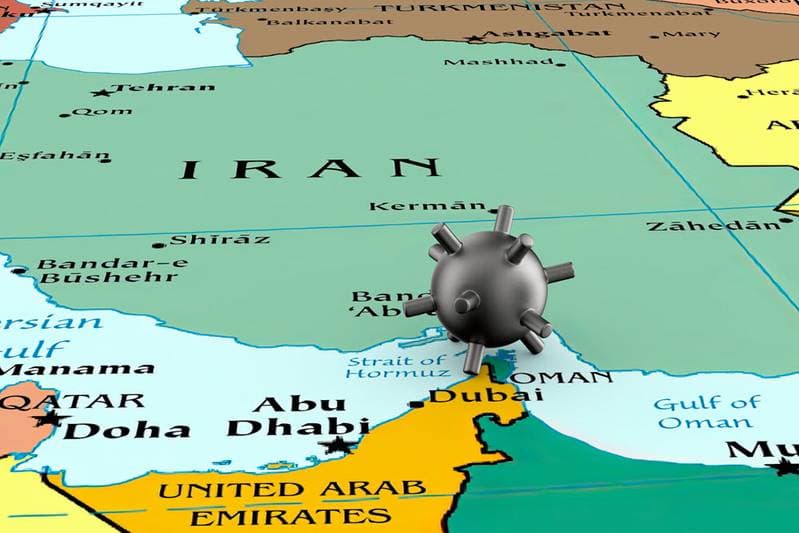
US forces reportedly attacked two Iranian mine launchers on Larak Island, prompting alleged Iranian retaliation against US forces in Jordan
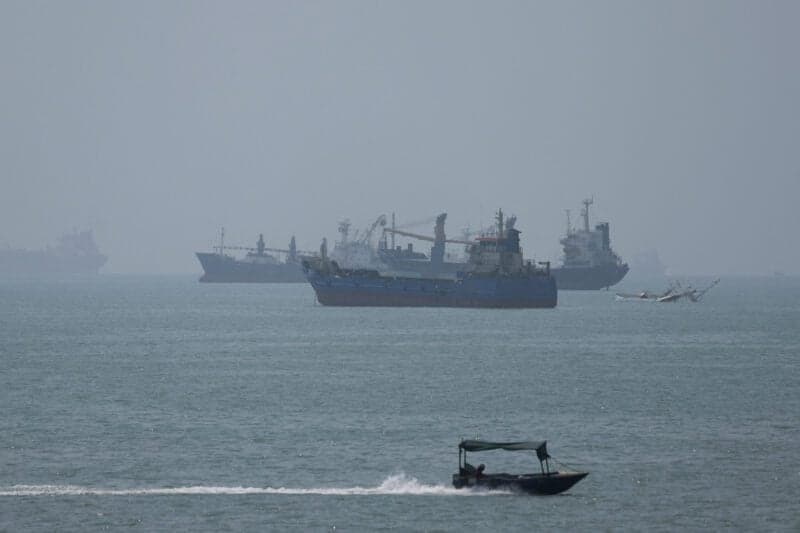
The Strait of Hormuz experienced a sharp decline in daily commodity vessel transits, falling to just five per day.
Record VLCC newbuilding orders are raising concerns about a future oversupply in the tanker market by 2028-2029
Fossil fuel importers faced an estimated $330 billion in additional costs for seaborne crude oil, oil products, and LNG.
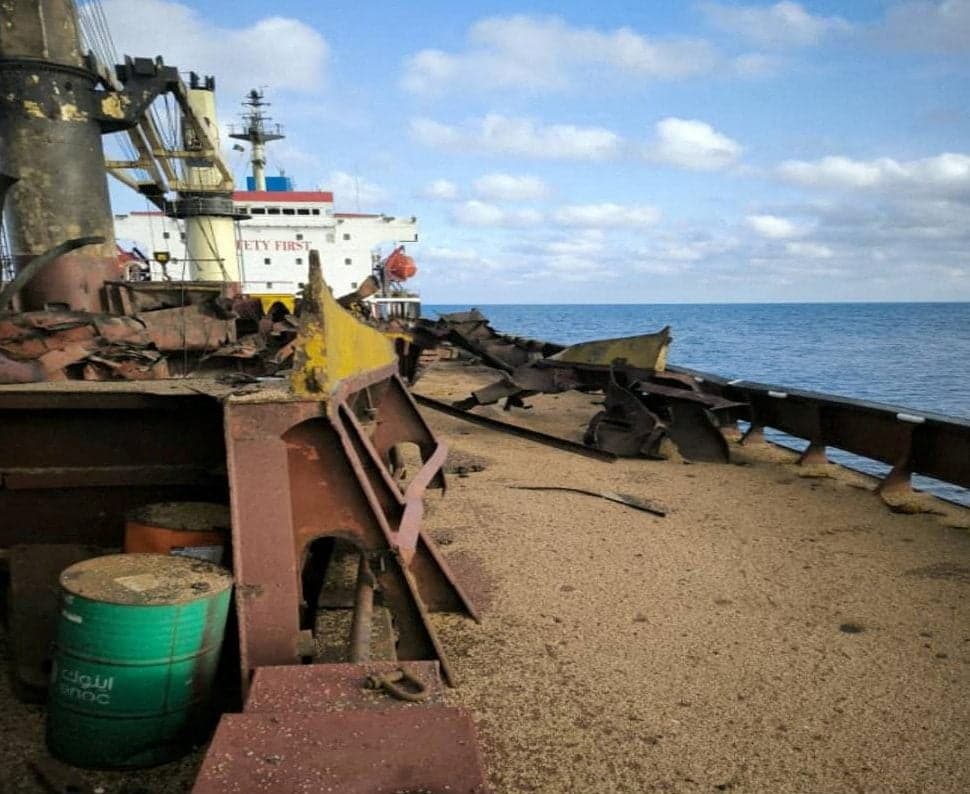
Romanian authorities are investigating the sinking of a cargo ship in the Black Sea after it caught fire, possibly due to a hit.
The IMO has highlighted the persistent uncertainty for seafarers in the Persian Gulf due to ongoing conflict and attacks.
Washington expanded its economic sanctions against Iran, directly impacting the shipping and ship recycling industries.
Middle East tanker exports are navigating a third phase of market adjustments since the Hormuz crisis commenced, impacting capacity.
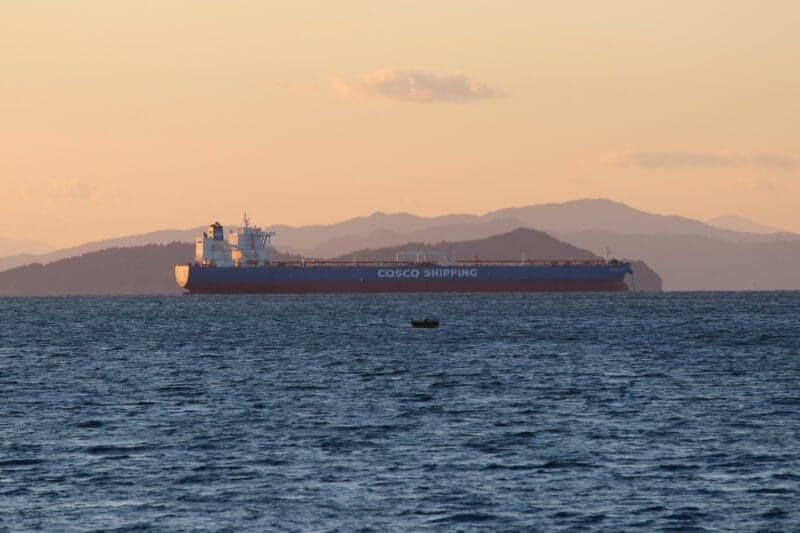
Oil tanker earnings on a benchmark route have approached $650,000 daily due to the Iran war and strategic shipping plays
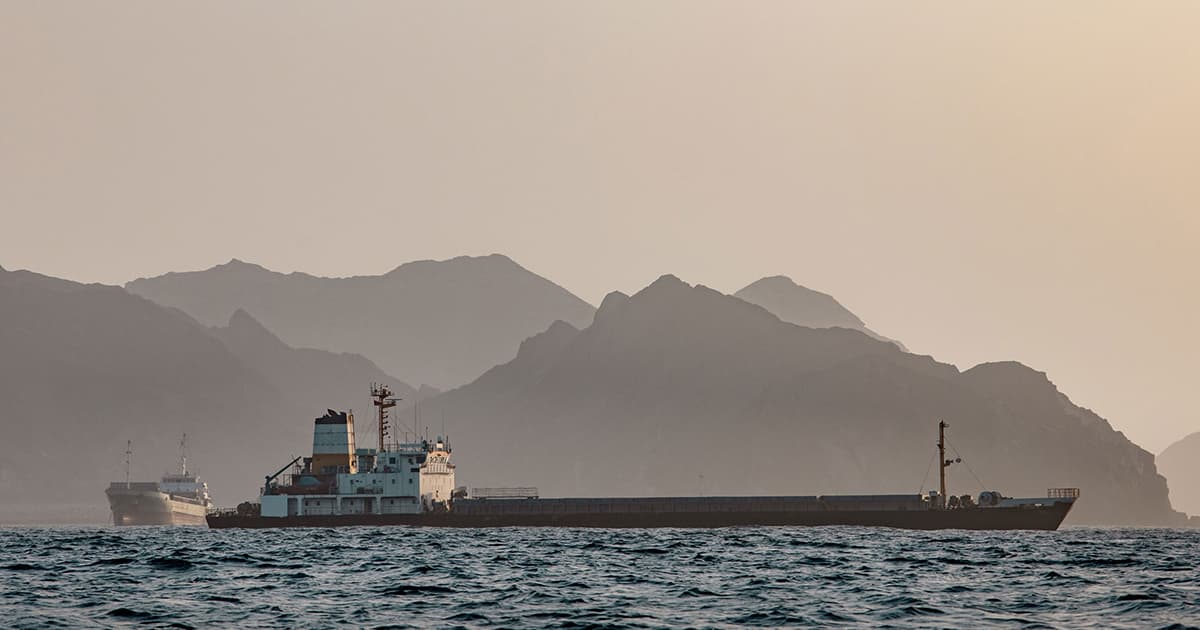
Saudi Aramco is increasing heavy crude sales, utilizing the Strait of Hormuz, mirroring other Persian Gulf nations' export growth
The IMO advocates for practical solutions to resolve the ongoing humanitarian crisis affecting seafarers in the Strait of Hormuz.
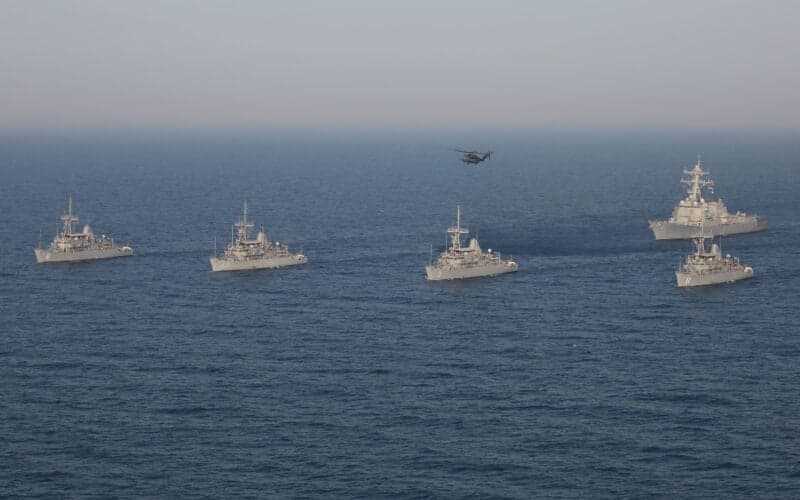
A US commander confirmed that American forces cleared Iranian mines from the Strait of Hormuz, addressing prior allied doubts.
A tanker seized by Somali pirates had a history of disappearing from tracking systems for extended periods before its capture
A tanker CEO warns the Iran conflict may be prolonged, sustaining high war risk premiums and operational costs in the Strait of Hormuz
Shipping costs from Pakistan to the US have surged over 200% on some routes, driven by increased war-risk insurance and fuel prices
Oil prices edged lower due to Venezuela supply reports and U.S.-Iran discussions over the Strait of Hormuz.
The US has rejected a key agreement with Iran, halting talks on the Strait of Hormuz and driving up oil prices.
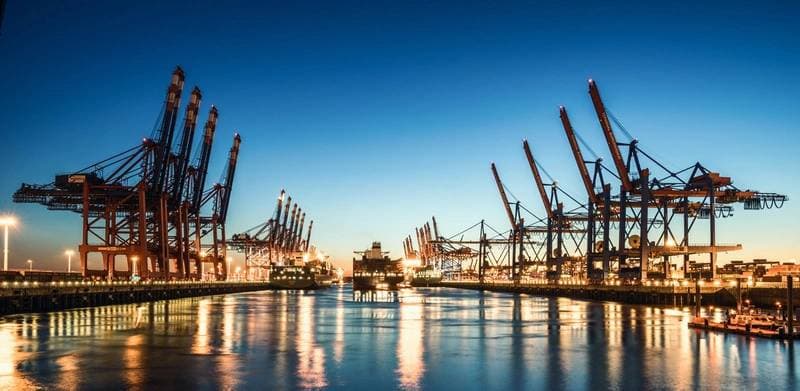
Gulf nations are boosting port and pipeline investments to lessen dependence on the Strait of Hormuz due to geopolitical tensions
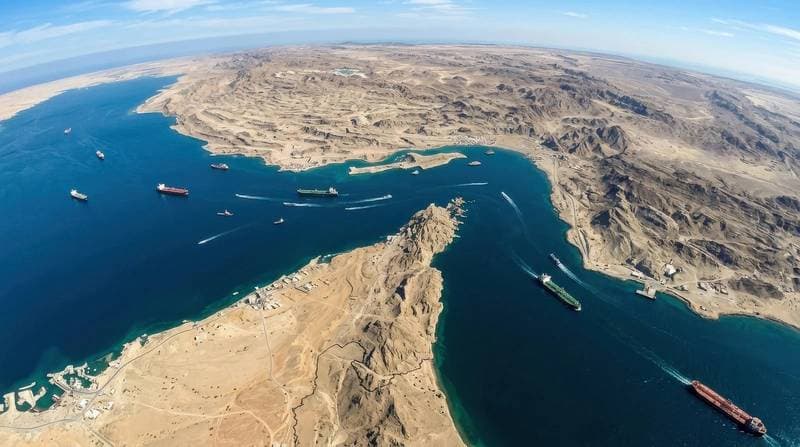
Iran is reportedly formulating specific terms for the resumption of shipping through the Strait of Hormuz, following mediator requests
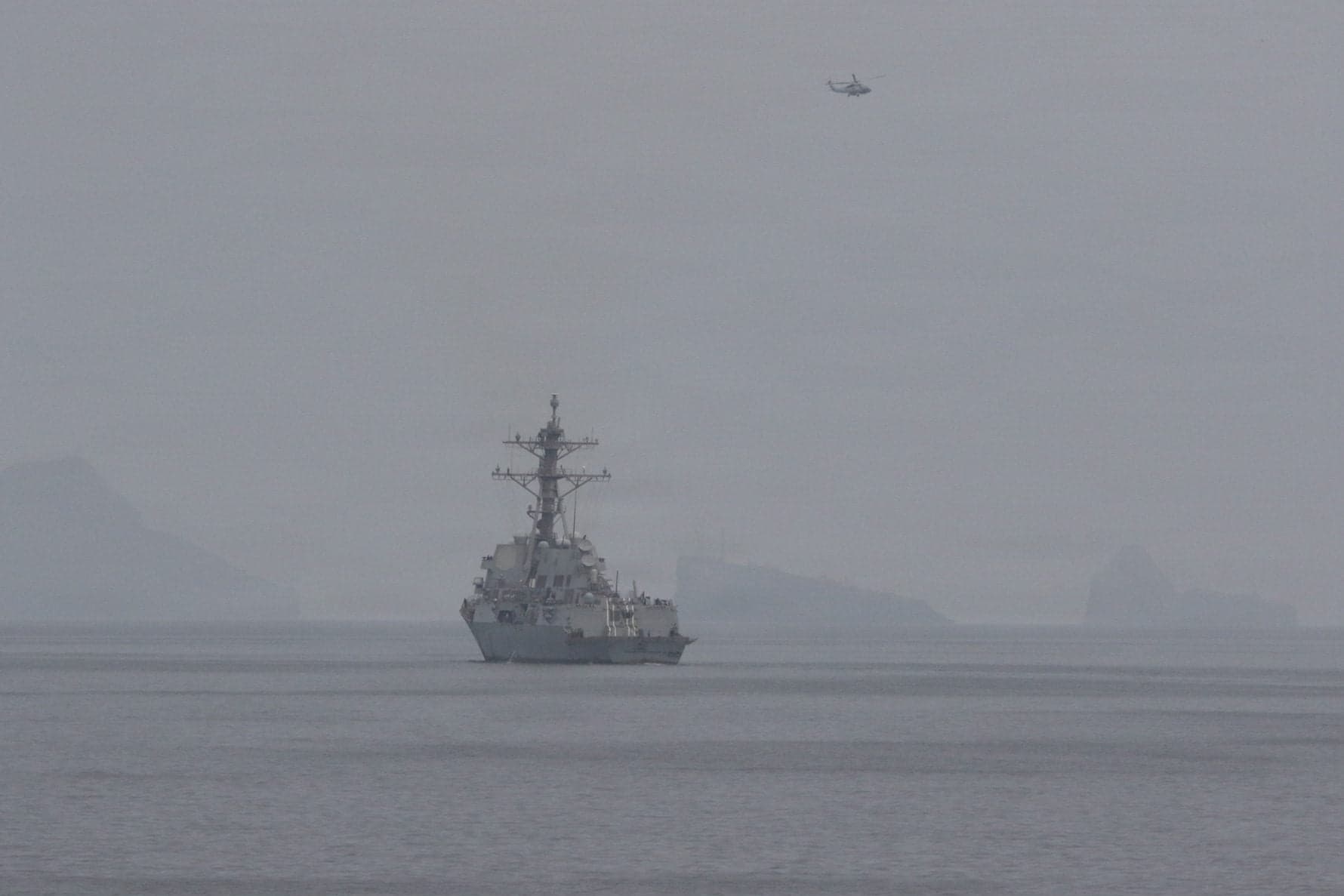
U.S. forces have reportedly cleared Iranian sea mines from the Strait of Hormuz's international shipping lanes.
Iran is negotiating a deal with Oman to potentially ban military vessels from the Strait of Hormuz, impacting commercial shipping.
Nordic American Tankers (NAT) sees an upward trend in tanker rates and vessel values following successful operations.
Saudi Arabia is rerouting oil shipments to Asia, utilizing an Egyptian pipeline and the Strait of Hormuz due to Houthi threats.
Black Sea grain exports are severely disrupted by conflict, impacting global food supply chains and freight forwarders

Russian forces launched a prolonged attack targeting Ukrainian ports, industrial sites, and retail distribution facilities.
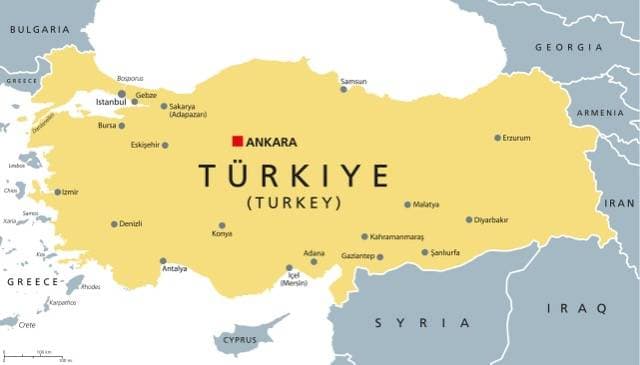
Turkey's diesel imports from the US and India surged to record levels in August due to a Russian export ban and Iran conflict disruptions.
Browse by mode or open the Intelligence Suite for cross-cutting briefs.