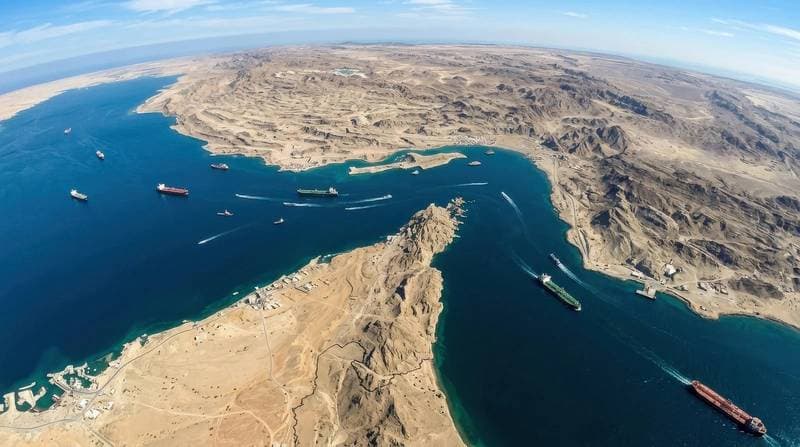
Iran is currently outlining its conditions for the reopening of the Strait of Hormuz, a critical global shipping choke point. This development comes after mediators approached Tehran to specify its demands. Mohsen Rezaei, Secretary of Iran's Supreme National Security Council, indicated that a key prerequisite for restoring normal maritime traffic is the end of ongoing regional conflicts.
This situation highlights the geopolitical sensitivities surrounding the Strait of Hormuz, which is vital for global oil and gas shipments. Past tensions in the region have led to disruptions, impacting energy markets and international trade routes. Iran's willingness to articulate conditions suggests a potential diplomatic pathway to de-escalation, but also underscores its leverage over this strategic waterway.
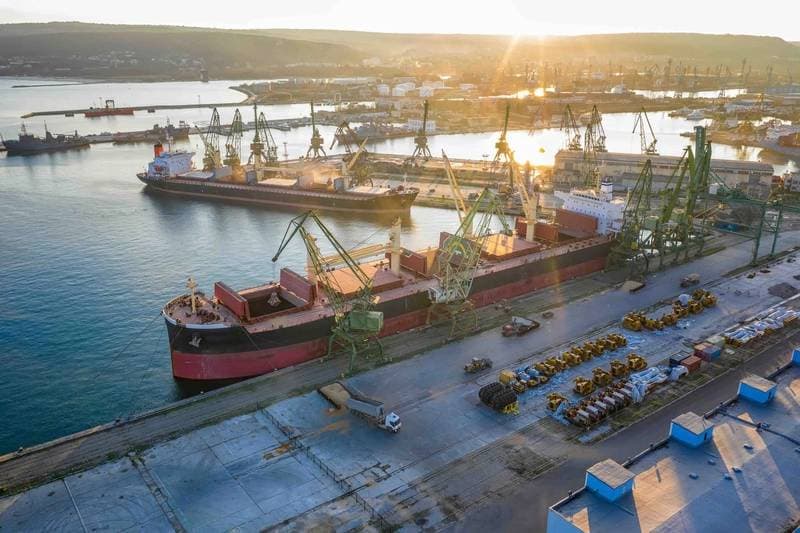
For freight forwarders and shippers, any instability or restrictions in the Strait of Hormuz can lead to significant operational challenges. These include increased transit times, higher insurance premiums (war risk), and potential re-routing of vessels, particularly for tankers and container ships carrying cargo to and from the Persian Gulf. The explicit link to regional conflict resolution means that the stability of this route remains vulnerable to broader geopolitical developments. Forwarders should monitor diplomatic efforts closely for any signs of progress or further escalation that could impact shipping schedules and costs.
While the article does not specify next steps, the outlining of conditions suggests that negotiations are underway. The focus will likely be on whether these conditions are deemed acceptable by other regional and international actors, and if a path towards de-escalation can be found to ensure unimpeded passage through the Strait.