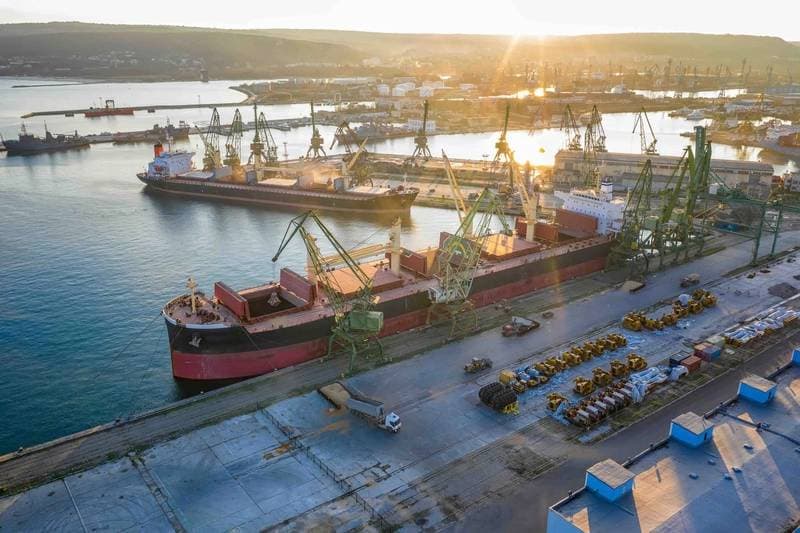
Deep-sea loadings at major Ukrainian ports like Odesa, Chornomorsk, and Pivdennyi remain suspended due to targeted strikes and heightened war risk. These ports, alongside Russian facilities, collectively account for 30% of global wheat exports. Recent attacks on Russia's Taman terminal and a halt in shipments from Kavkaz further concentrate Russian grain exports through Novorossiysk and Tuapse, increasing pressure on these remaining operational hubs.
The ongoing conflict has effectively gridlocked a significant portion of the Black Sea's maritime trade, particularly for agricultural commodities. This situation is exacerbated by the developing El Niño weather pattern, which historically impacts global agricultural yields and could further strain food supply chains.
For freight forwarders and shippers, this means continued volatility and uncertainty in grain procurement and transport. Capacity in the Black Sea remains constrained, leading to potential routing changes, increased transit times, and elevated war risk insurance premiums. Forwarders must actively monitor geopolitical developments and weather forecasts, advise clients on alternative sourcing strategies, and prepare for potential price fluctuations and logistical bottlenecks. The reduced availability of direct Black Sea routes necessitates exploring alternative land or rail corridors where feasible, though these often come with higher costs and longer lead times.
While the article does not specify immediate next steps, the situation suggests that the reliance on alternative routes and a close watch on both the conflict and El Niño's progression will be crucial for managing agricultural commodity logistics in the coming months.