Jacob Meldgaard, CEO of Danish tanker operator Torm, has cautioned that the ongoing conflict involving Iran could evolve into a prolonged stalemate, drawing parallels to the Russia-Ukraine war. This assessment suggests that market expectations for a swift resolution might be overly optimistic.
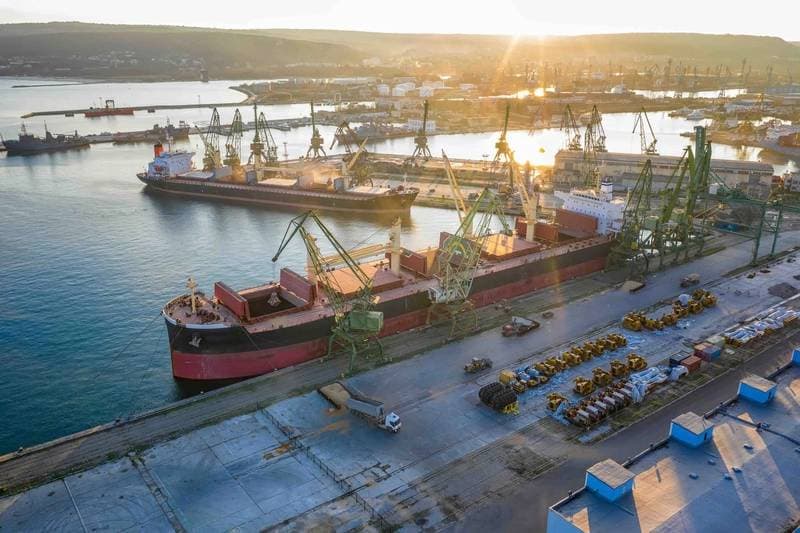
A protracted conflict scenario implies that the Strait of Hormuz, a critical chokepoint for global oil and gas shipments, would remain a high-risk area. Consequently, shipping companies would likely continue to face elevated war risk insurance premiums and increased operational expenses for vessels navigating this vital waterway.
For freight forwarders and shippers, a sustained high-risk environment in the Strait of Hormuz translates directly into higher transportation costs, particularly for crude oil, refined products, and LNG. These increased costs will inevitably be passed down the supply chain, affecting commodity prices globally. Forwarders must factor in potential delays, rerouting considerations, and the ongoing volatility of insurance surcharges when planning shipments through or near the region. The long-term nature of this risk could also influence carrier capacity deployment and vessel availability in the Middle East Gulf.
If the conflict indeed settles into a prolonged phase, the shipping industry will need to adapt to a new normal of heightened security measures and cost structures in this strategically important maritime corridor.