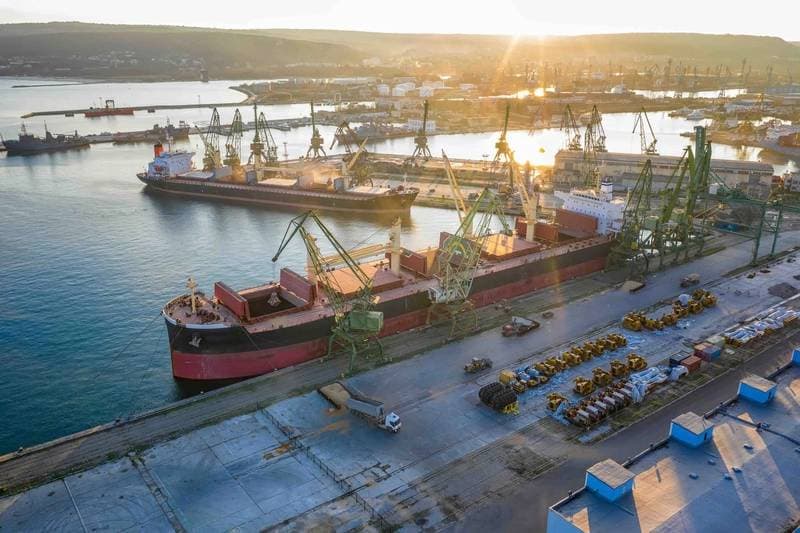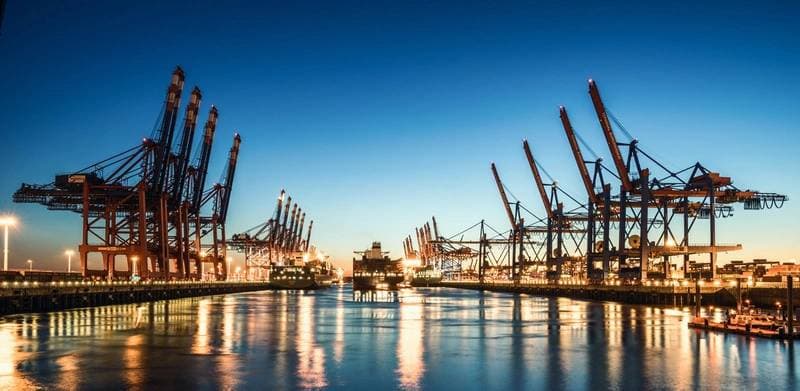
Gulf nations are accelerating investments in critical infrastructure, including energy pipelines and port facilities, as a direct consequence of escalating geopolitical tensions impacting the Strait of Hormuz. This strategic pivot aims to mitigate the region's historical over-reliance on the strait, which has become a focal point of conflict.
The ongoing situation has underscored the vulnerability of global trade routes passing through the Strait of Hormuz. By developing alternative export channels and enhancing port capabilities, Gulf states seek to safeguard their economic stability and maintain uninterrupted access to international markets.
For freight forwarders and shippers, these infrastructure developments could eventually lead to new routing options and potentially more stable transit times for cargo originating from or destined for the Gulf region. Reduced dependence on the Strait of Hormuz might also alleviate some war risk premiums and offer greater supply chain resilience in the long term, though initial phases may involve adjustments to existing logistics networks. It signals a move towards diversifying regional logistics hubs.
While the article does not specify immediate next steps, the accelerated investment suggests a sustained focus on these projects, likely leading to new operational capacities in the coming years.